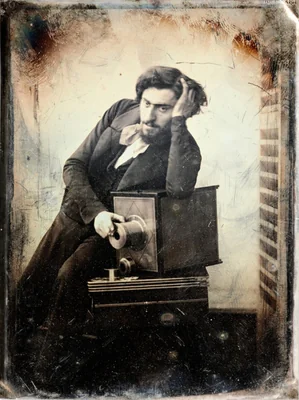
Gustave Le Gray
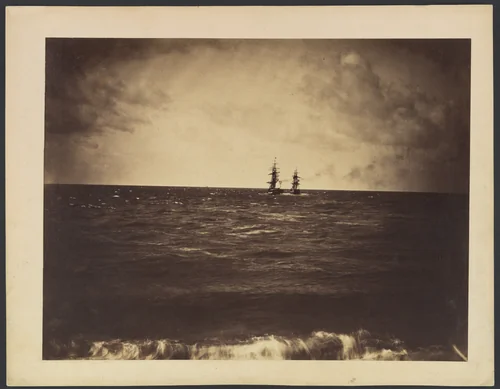
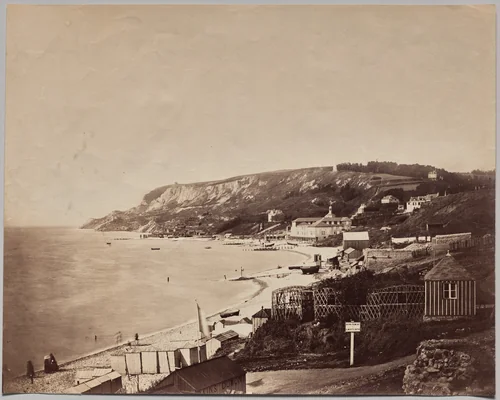
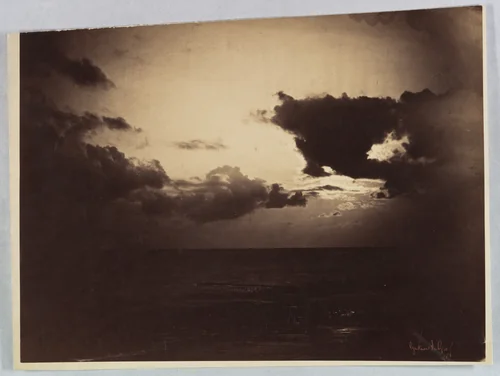
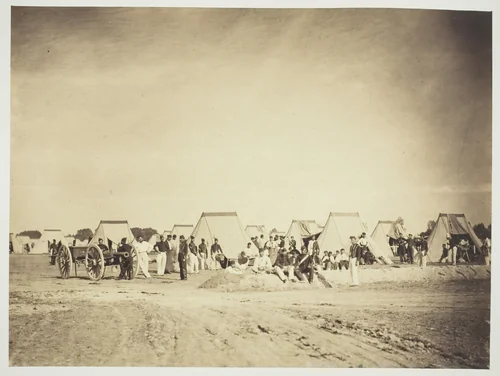
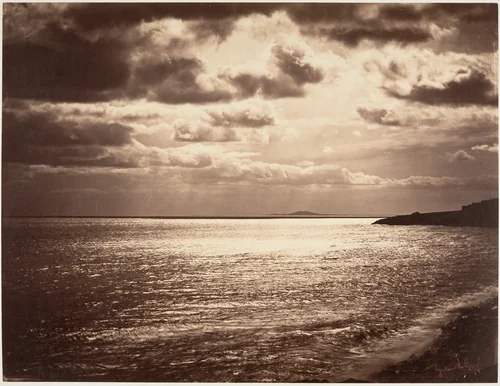
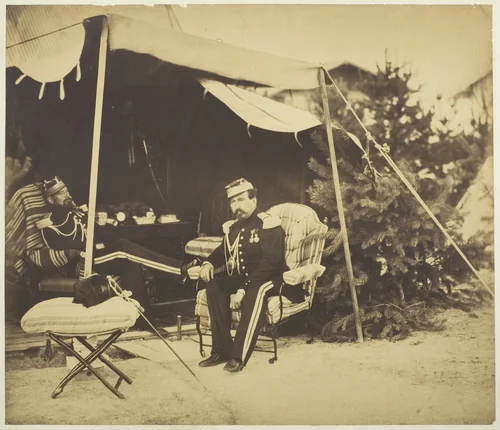
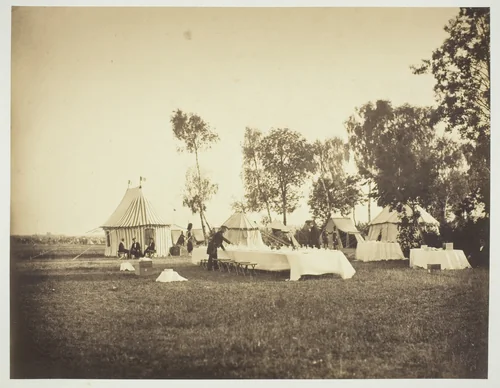
Jean-Baptiste Gustave Le Gray (1820-1884) was a definitive figure in nineteenth-century French visual culture, establishing a significant early career as a painter, draughtsman, print-maker, and sculptor before cementing his primary legacy in photography. He is routinely cited by historians as "the most important French photographer of the nineteenth century" due to the technical innovations he championed, the generation of artists he instructed, and the "extraordinary imagination he brought to picture making."
Le Gray’s historical importance rests largely on his laboratory innovations. While initially working with the fragile daguerreotype, he became a central figure in advancing the development of paper-based negatives. His vital contributions to the waxed paper negative process, specifically, were transformative. This technique allowed practitioners to prepare plates ahead of time, offering unprecedented convenience and portability that freed the camera from the confines of the studio. This breakthrough was instrumental for early artistic excursions, including Le Gray’s own detailed photographic studies of the natural environment.
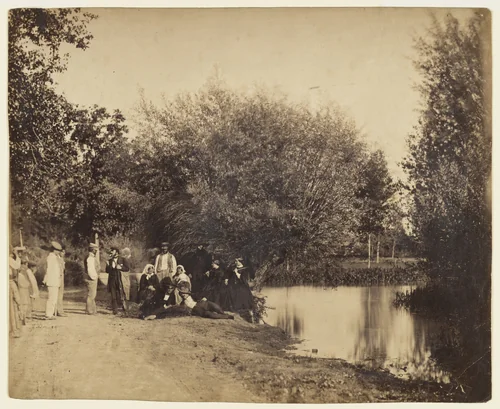
His extensive documentation of the Royal Forest of Fontainebleau—evident in works such as Chêne dans les rochers à Fontainebleau and Pathway in the Forest of Fontainebleau—showcases his command of composition and atmospheric light achieved through this new technology. Unlike many contemporaries who prioritized mere topographical documentation, Le Gray consistently approached the camera with an artist’s eye, translating the compositional sensibilities honed during his years creating Gustave Le Gray paintings and drawings into the photographic medium.
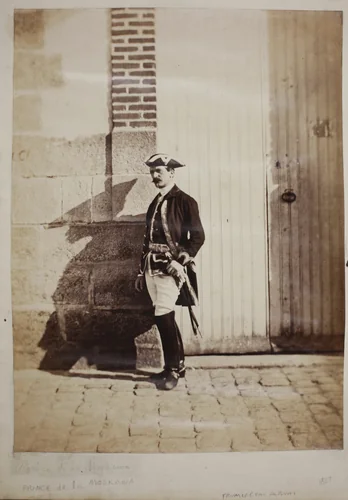
His influence extended beyond his own portfolio. Le Gray maintained an active and essential teaching practice that guided a generation of significant French photographers who would define the subsequent decades of the medium. Today, many of his pioneering works, including the deeply evocative Portrait of Edmond Cottinet (1824-1895), are regarded as museum-quality objects, held in major international collections. While the technical rigor of his process is lauded, it is perhaps his ability to couple scientific precision with moments of genuine psychological depth that secures his enduring fame. Fortunately for researchers and collectors, these foundational images are frequently available as high-quality prints derived from public domain sources.
Source: Wikipedia · CC BY-SA 4.0