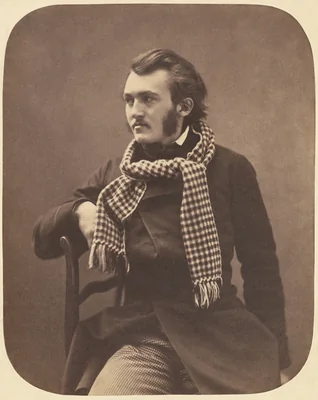
Gustave Doré
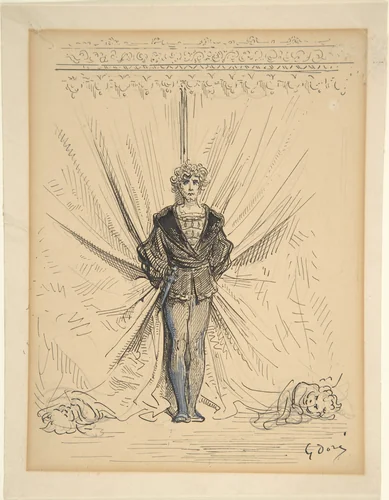
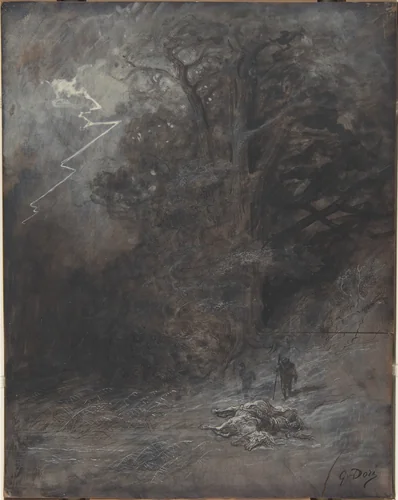
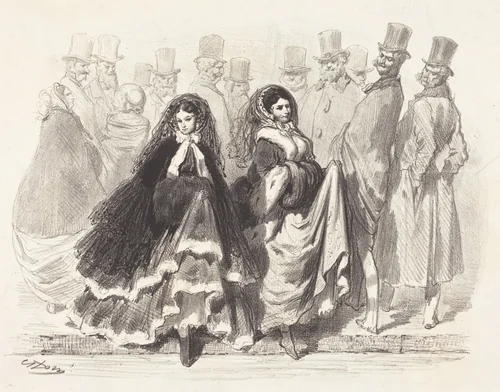
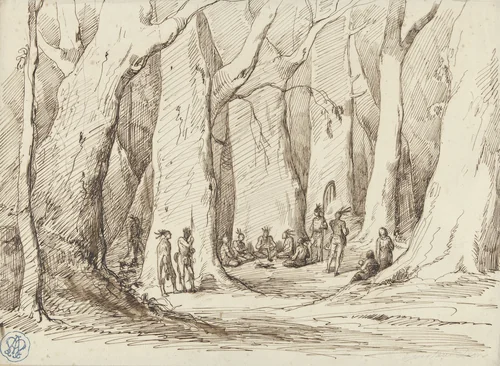
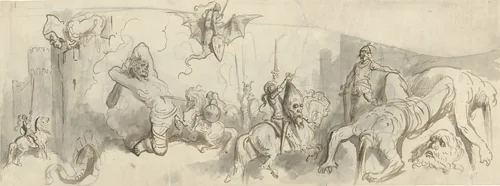
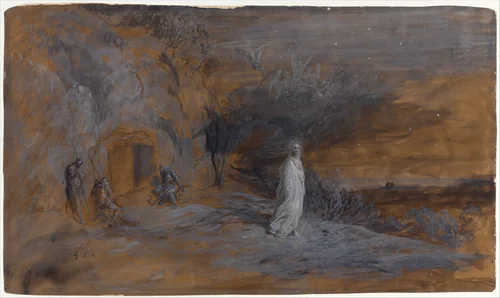
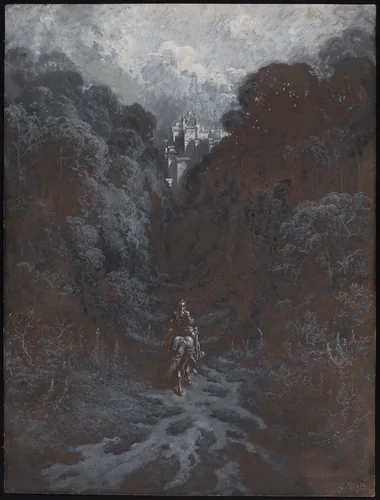
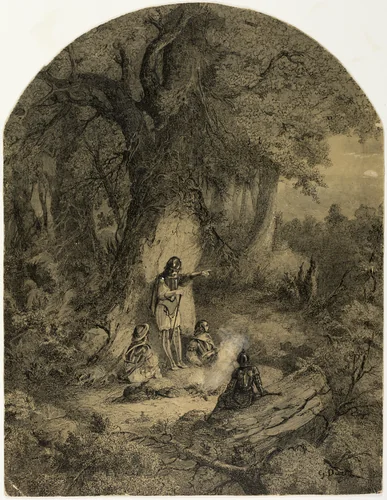
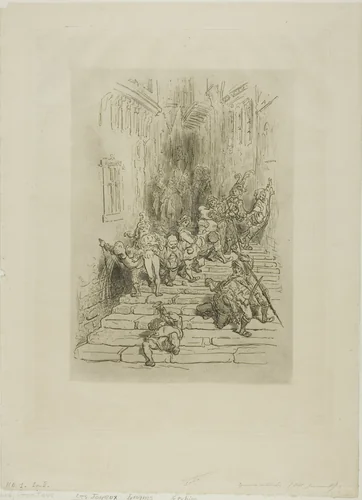
Paul Gustave Louis Christophe Doré (1832-1883) stands among the most influential and prolific visual chroniclers of the nineteenth century. A French artist whose practice encompassed printmaking, painting, sculpture, caricature, and early comics, his enduring fame rests overwhelmingly on his powerful and dramatic illustration work. Doré’s singular ability to translate narrative complexity and human emotion into highly detailed visual compositions cemented his international reputation, setting a new benchmark for literary visualization that few peers could match. Though his output includes significant Gustave Doré paintings, his illustrations quickly became the most defining feature of his legacy.
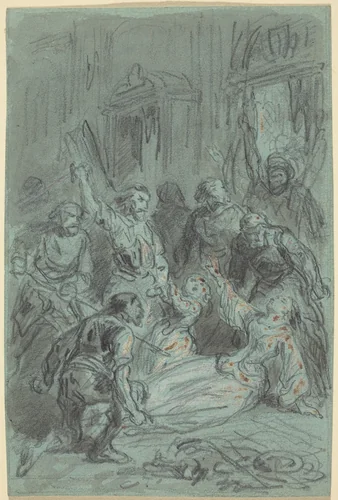
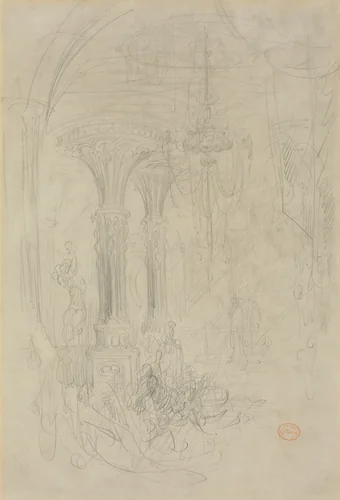
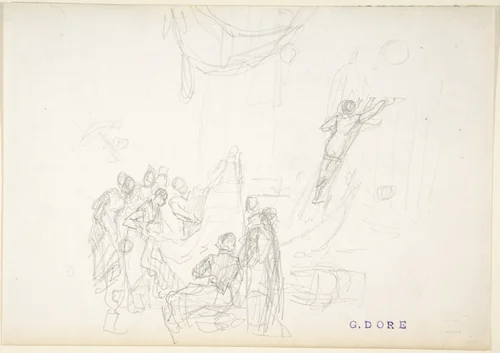
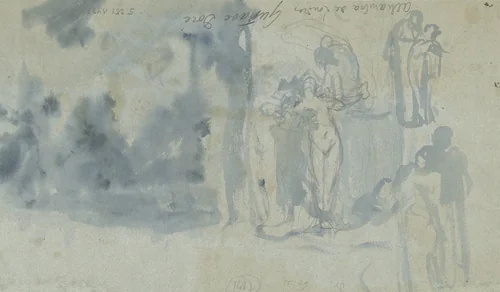
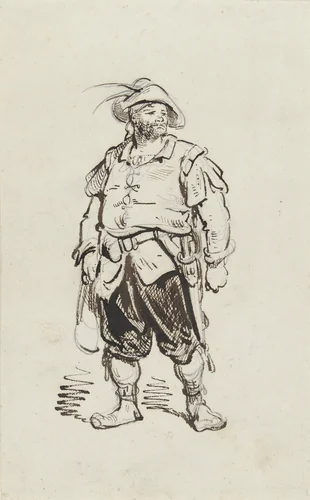
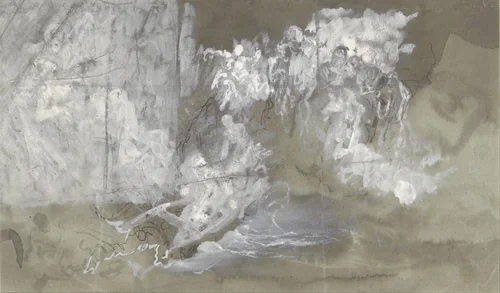
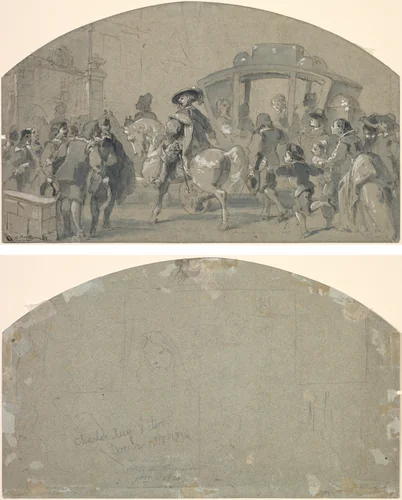
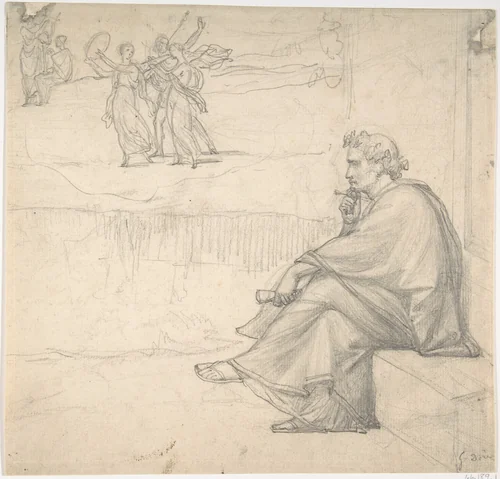
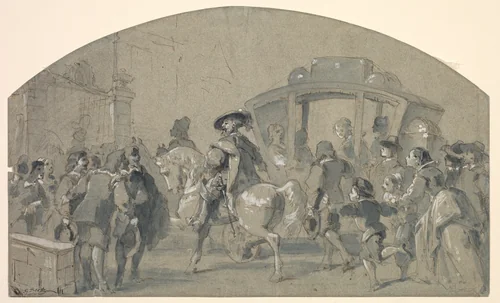
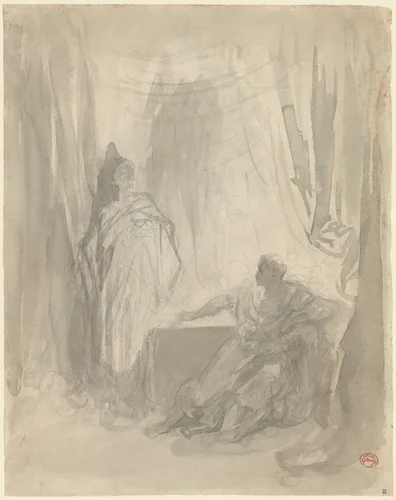
The success of his major publishing ventures, particularly his illustrated editions of the Vulgate Bible and Dante’s Divine Comedy, was unprecedented, achieving immediate and lasting critical acclaim across Europe and North America. These works became the definitive visual lexicon for the texts for generations. Today, many high-quality prints and original drawings are held in prominent institutions, including the Rijksmuseum and the Metropolitan Museum of Art. Examples of his preliminary work, such as the preparatory drawing A Dramatic Scene with a Fainting Woman, reveal the technical precision underlying his expansive imagination.
Crucially, Doré’s prominence was built almost entirely upon the medium of wood-engraving, though he rarely executed the laborious final block-cutting himself. His method represented an industrialization of artistic production: at the height of his career, as many as forty expert block-cutters were employed solely to translate his highly detailed drawings onto the wooden printing surface. This structure allowed Doré to become, in effect, a design director overseeing massive publishing ventures, thereby multiplying his output significantly. It is perhaps one of the great ironies of nineteenth-century art history that the artist most renowned for the fine detail of his engravings was fundamentally a master designer, relying entirely on the skill of others to bring his visions to mass publication.
Doré’s vast catalog remains highly accessible today. Much of his core illustration work is now in the public domain, allowing for the widespread availability of downloadable artwork and free art prints, ensuring that the dramatic vision embedded within Gustave Doré prints continues to resonate with contemporary viewers.
Source: Wikipedia · CC BY-SA 4.0