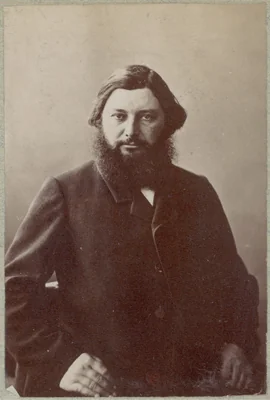
Gustave Courbet
Jean Désiré Gustave Courbet (1819-1877) holds a singular place in the history of art as the defining figure who initiated and led the Realism movement in 19th-century French painting. Rejecting the highly stylized narratives and emotional excess that characterized the preceding generation of visual artists, particularly Romanticism, Courbet anchored his practice exclusively to the visible and the verifiable. This uncompromising commitment to objective representation fundamentally altered the trajectory of modern art.
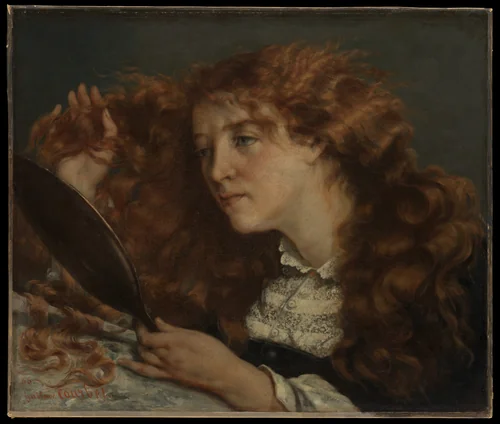
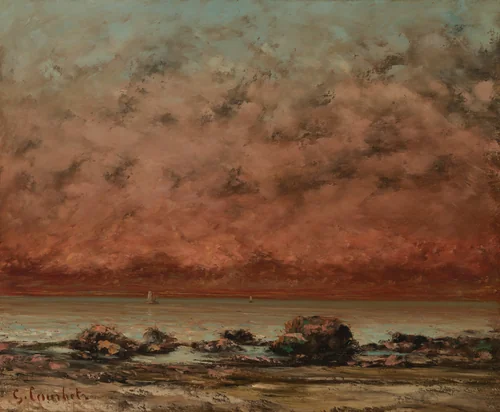
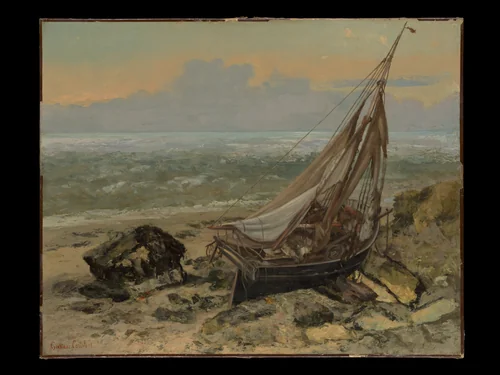
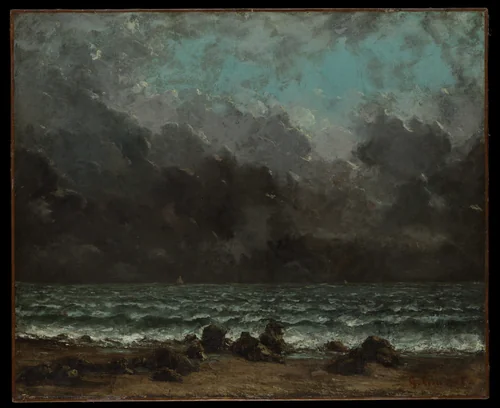
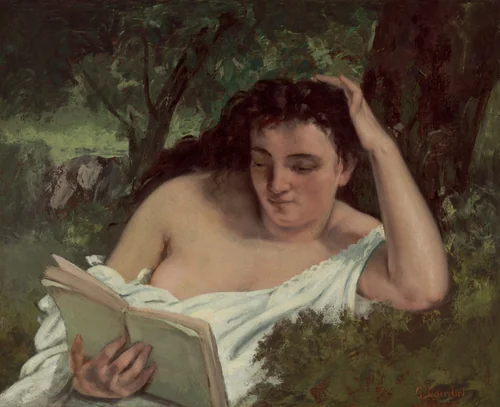
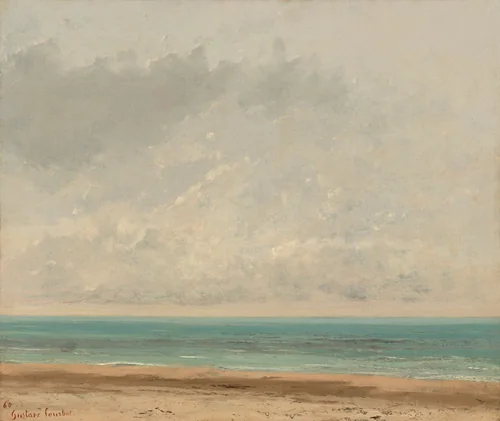
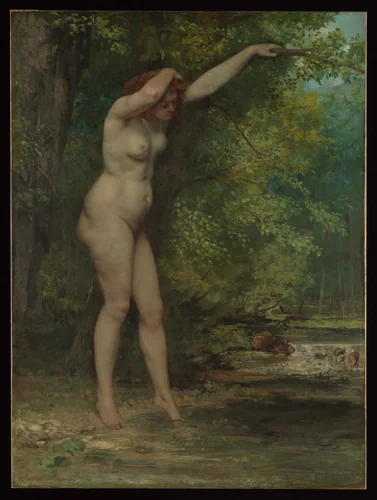
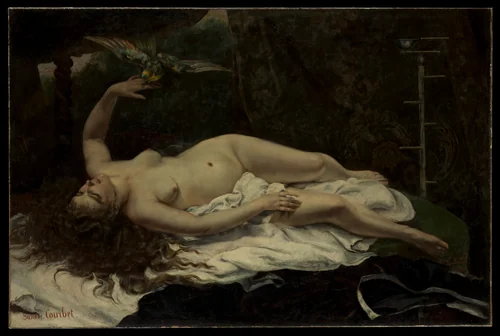
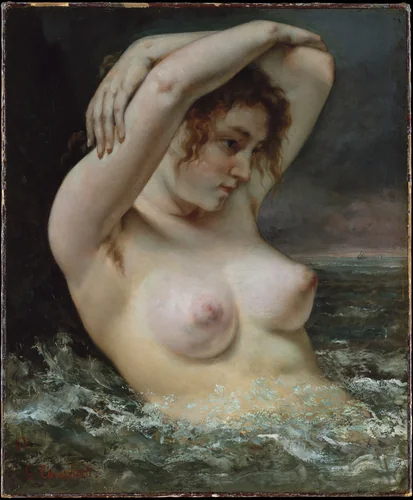
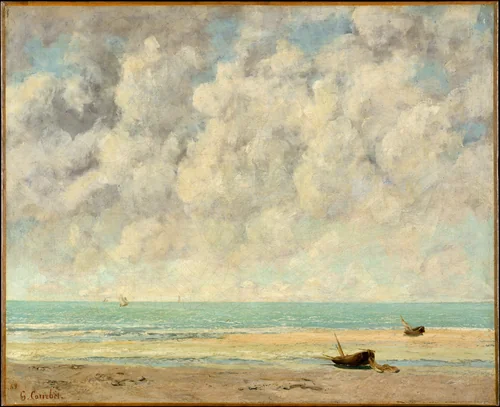
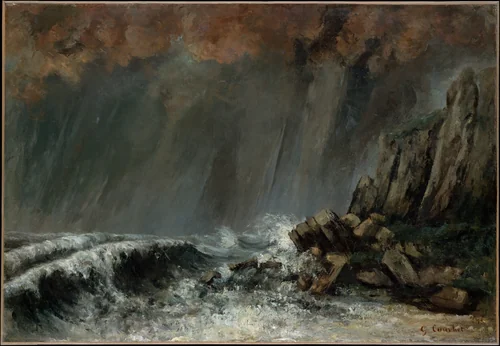
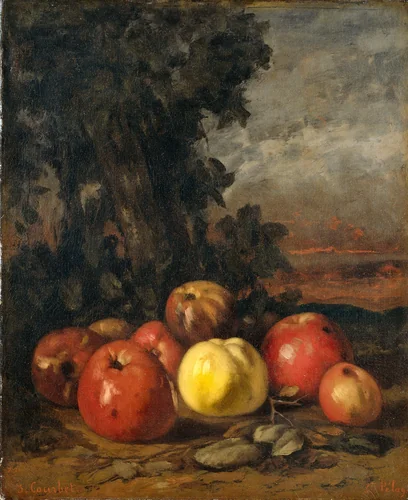
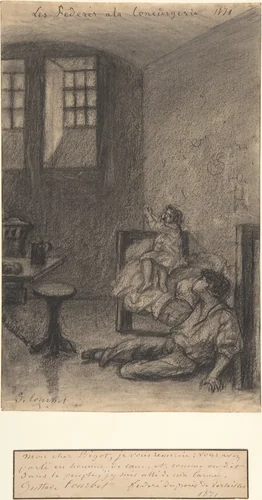
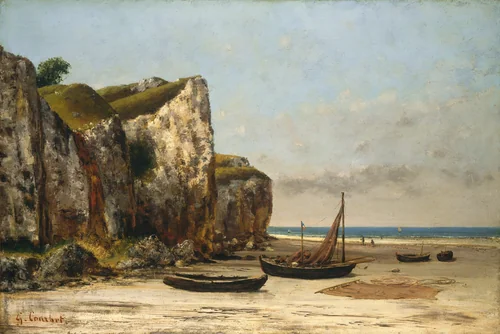
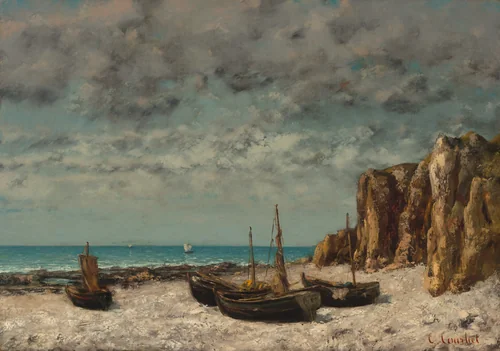
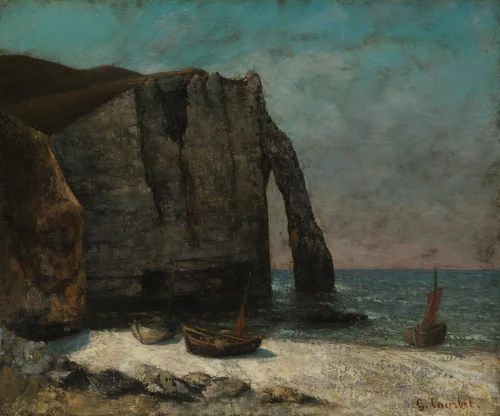
Courbet’s methodology was based on a radical declaration: he would paint only what he could see, a principle that inherently rejected academic conventions of idealized form and historical subject matter. His independence was critical, establishing a powerful precedent for artistic autonomy that resonated with later innovators, including the Impressionists and the founders of Cubism. Courbet was an artist willing to make bold social statements through his Gustave Courbet paintings, translating the reality of the working classes and the unfiltered truth of the natural world onto his canvases.
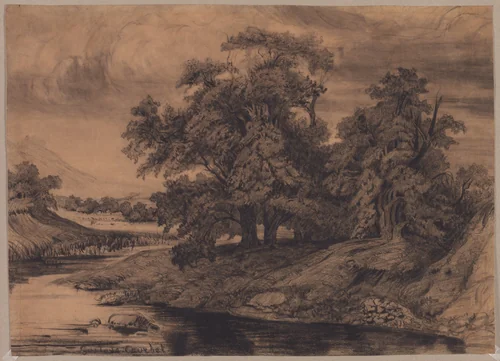
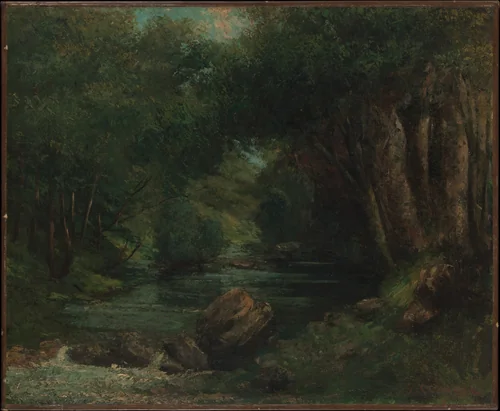
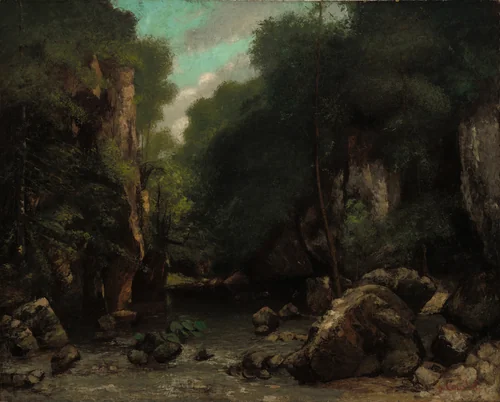
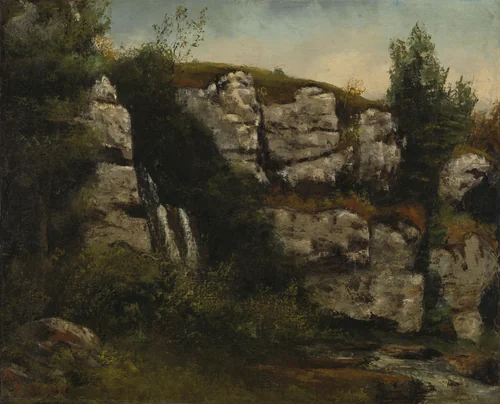
The breadth of his output, which includes complex figure studies like Model Reading in the Studio and Study of a Nude Man, alongside detailed scenery such as Wooded Landscape, showcases a relentless observation of contemporary life. His portraiture, whether in a focused study like The Apostle Jean Journet or the ambiguous self-reflection of Man with Upraised Arm, Possibly a Self-Portrait, always retains a palpable sense of the specific and immediate.
Courbet occupies an important place as an innovator whose determination to paint the mundane with monumental gravity was frequently seen as a provocation by the establishment. It is perhaps fitting that a painter so committed to the tangible world was often as robustly uncompromising in life as he was on canvas. Today, the importance of his output is underscored by its presence in international collections, including the Metropolitan Museum of Art and the National Gallery of Art. Key examples of his work are increasingly available as museum-quality, high-quality prints through public domain archives, ensuring this foundational oeuvre remains accessible for study and appreciation.
Source: Wikipedia · CC BY-SA 4.0