Gustave Caillebotte
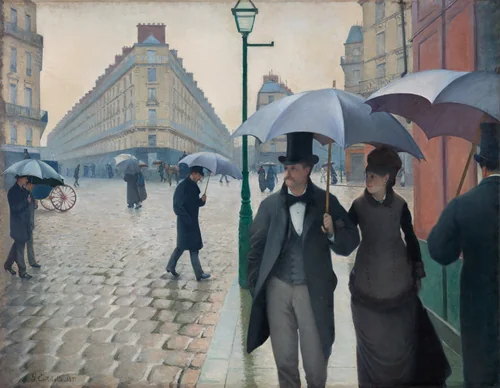
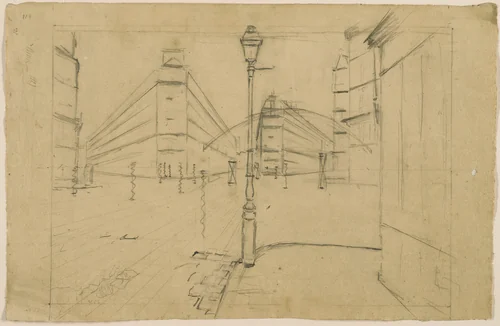
Gustave Caillebotte (1848–1894) occupies a unique and pivotal position in the history of Impressionism. While he was a dedicated member and crucial financial patron of the movement, his artistic approach often diverged significantly from the loose brushwork and optical studies favored by his colleagues. Caillebotte grounded his art, including major, large-scale works such as Paris Street; Rainy Day, in a highly disciplined and almost photographic realism. This commitment to structure and perspective sets many Gustave Caillebotte paintings apart, merging the modern life subjects of the group with an unusual architectural rigor.
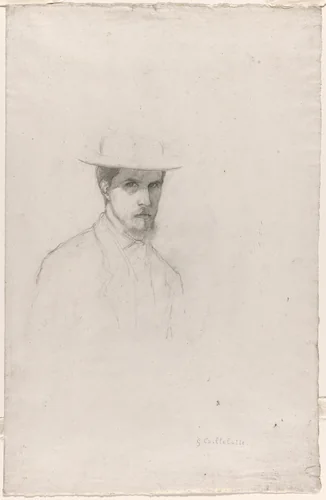
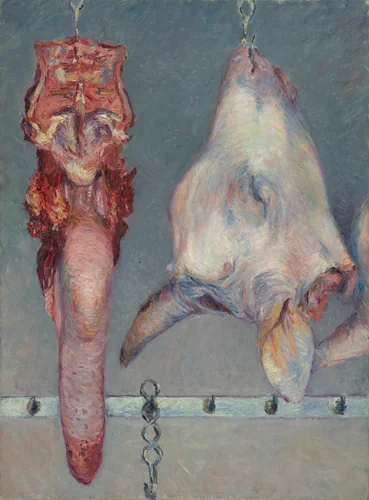
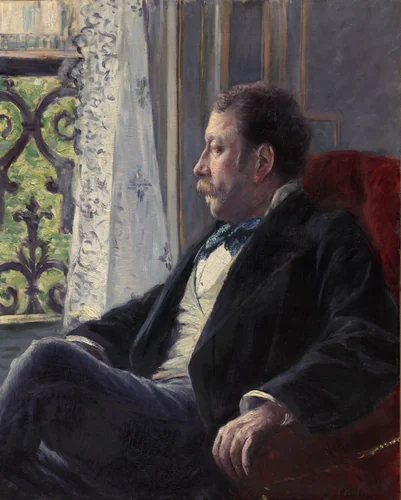
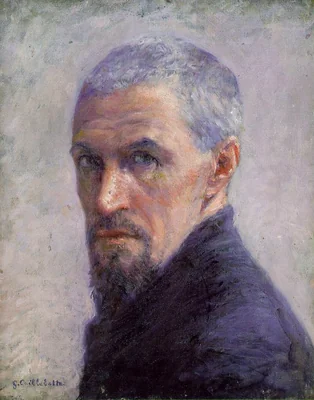
His distinctive compositional style reflects a serious engagement with emerging visual technologies. Caillebotte held an early and intense interest in photography as an art form, a fact often reflected in his unusual, high vantage points and tightly cropped scenes that suggest a mechanical lens. In pieces such as the focused Self-Portrait with a Hat or his remarkable studies like Calf's Head and Ox Tongue, the viewer is confronted with an unflinching realism that demonstrates his proficiency in figure and still-life painting, capabilities that extended well beyond the typical atmospheric concerns of his peers. He captured the anonymity and precise geometry of modern urban existence with a clarity that foretold later movements.
Caillebotte’s considerable inherited family wealth provided him the freedom to pursue painting while simultaneously sustaining his fellow artists, including Monet, Renoir, and Pissarro. This financial stability transformed him from a mere colleague into an indispensable benefactor, ensuring the viability of the early Impressionism exhibitions.
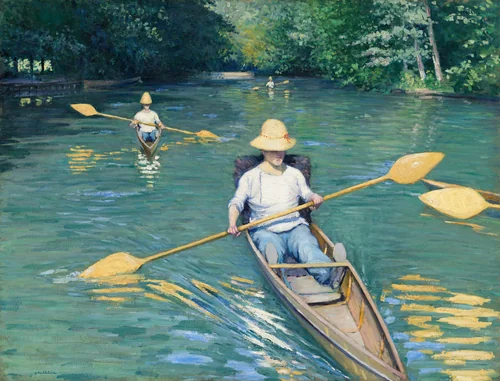
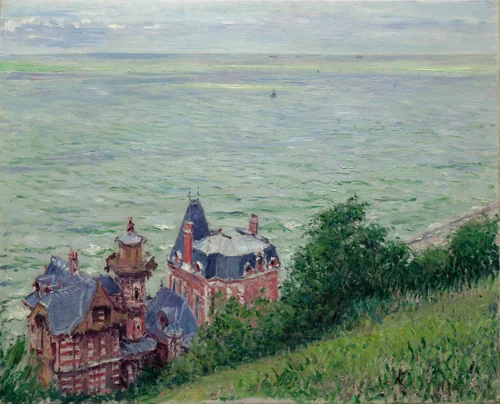
His ultimate contribution to the movement, however, came posthumously. Upon his early death in 1894, Caillebotte bequeathed his extensive personal collection of Impressionist works to the French Republic. Though met with intense controversy and institutional reluctance regarding the inclusion of these radical canvases into the national collection, this gift ultimately became the foundational, central holding for the French public museums, irrevocably securing the historical importance of Impressionism. Due to the era of his death, much of Caillebotte’s own substantial oeuvre is now in the public domain, offering downloadable artwork and free art prints to scholars and enthusiasts globally, allowing broad access to high-quality prints of works like Skiffs.
Source: Wikipedia · CC BY-SA 4.0