Gustav Klutsis
Gustav Klutsis (1895-1938) remains one of the seminal figures of the Soviet avant-garde, pioneering the application of photography and graphic design within the Constructivism movement. A Latvian native, Klutsis’s active period, primarily between 1919 and 1928, coincides precisely with the Russian cultural explosion that sought to merge artistic innovation with industrial production and political utility. His works, which include six illustrated books and numerous original designs, are permanently held in major institutions worldwide, including the Museum of Modern Art and the National Gallery of Art.
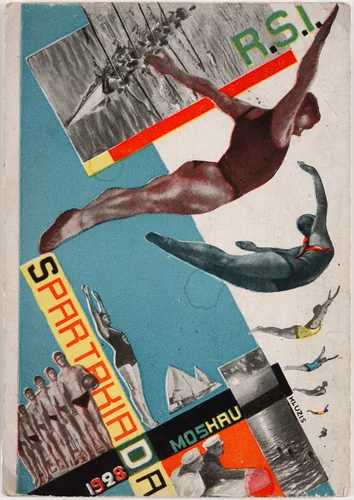
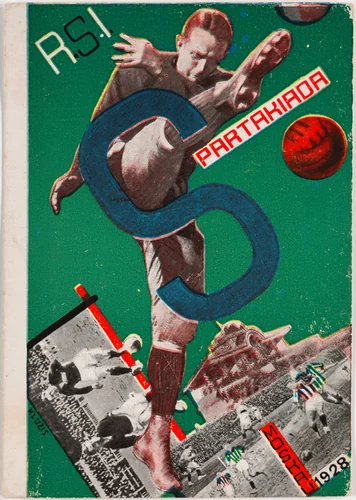
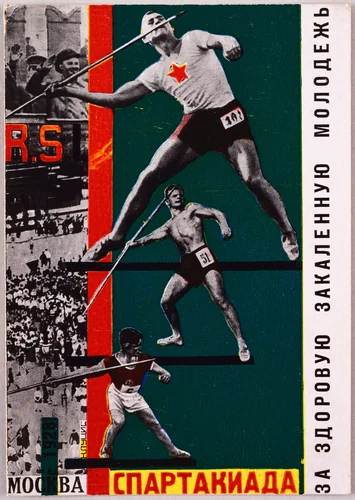
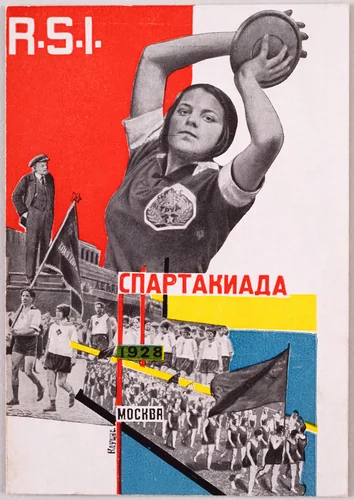
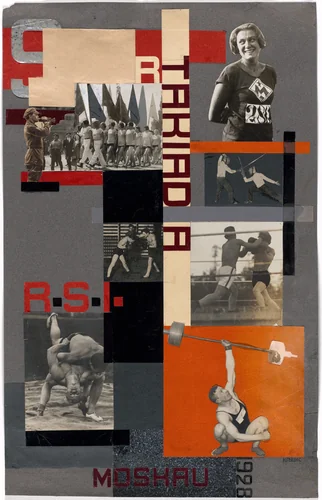
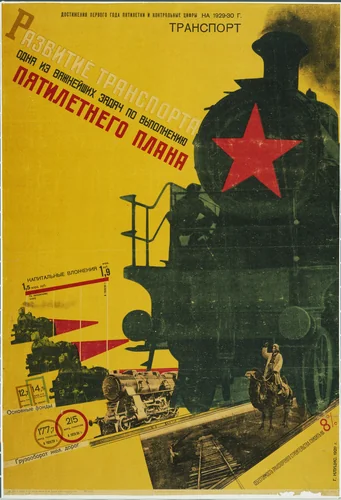
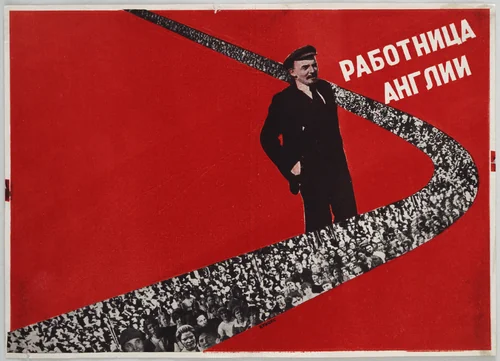
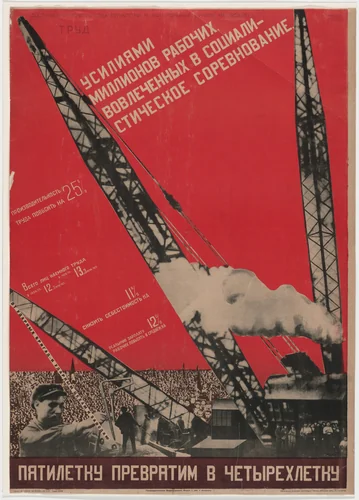
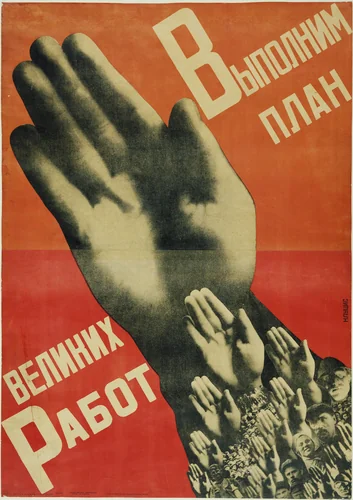
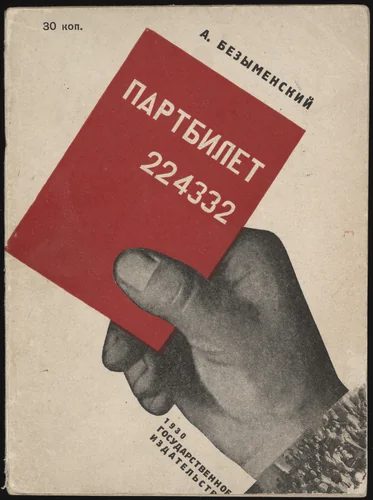
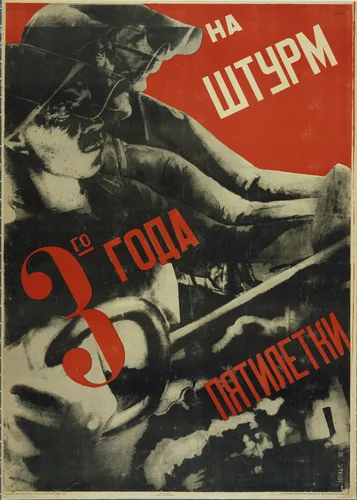
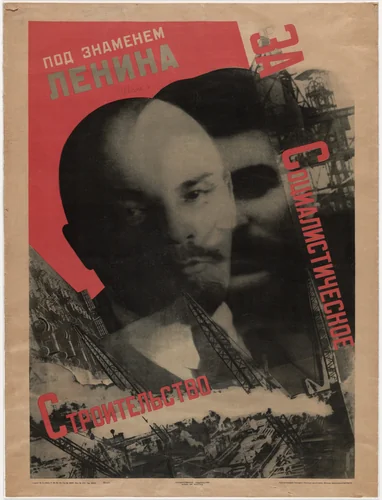
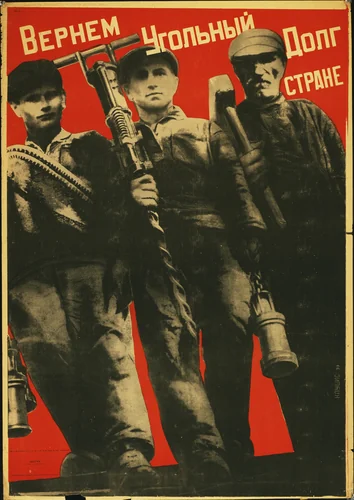
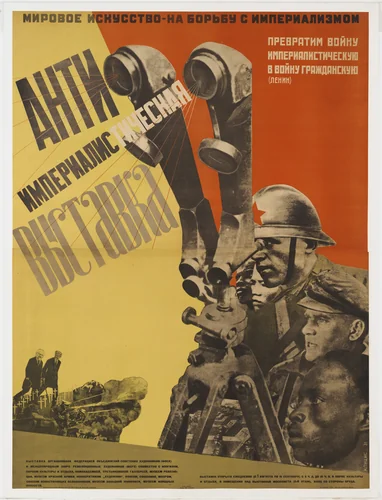
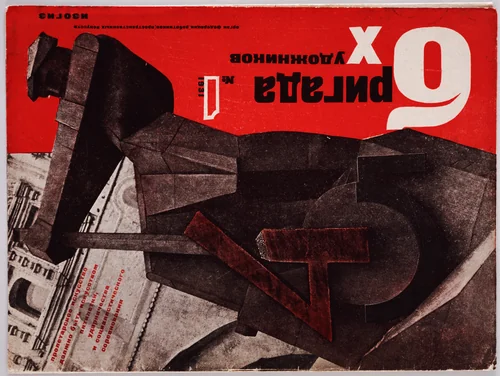
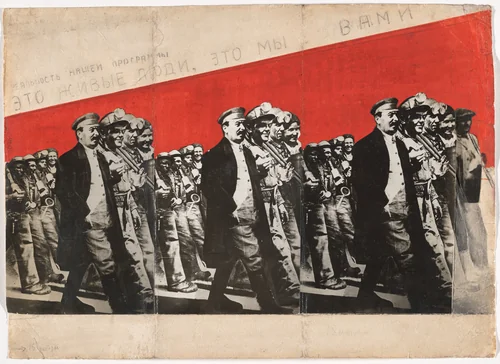
Klutsis is internationally recognized for his central role in the development of photomontage, transforming the technique from a radical artistic novelty into the standardized visual language of the state. Working frequently alongside his wife and collaborator, the artist Valentina Kulagina, he perfected the process of integrating disparate photographic elements with sharp geometric architecture and dynamic typography. This fusion created highly kinetic, often gravity-defying compositions, ideally suited for conveying the period’s utopian obsession with technology and axial movement. His formal rigor is evident in early masterworks like Dinamicheskii gorod and the structurally complex Axionometric Construction.
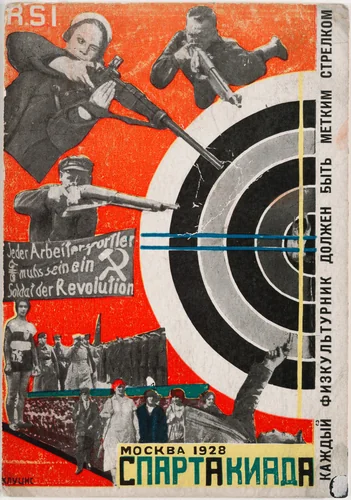
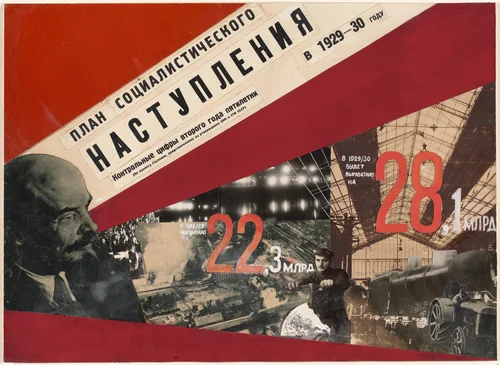
The artist’s career provides an essential case study in the politicization of artistic production. Klutsis’s early Constructivism reflected pure revolutionary idealism, positioning the artist as an engineer of the new society. He subsequently became the Soviet state’s most influential visual architect for large-scale political campaigns, producing iconic imagery such as Electrification of the Entire Country (Elektrifikatsiia vsei strany). It is perhaps the highest irony of the era that the same rigorous visual principles developed for radical formal experimentation soon became the highly systematized, standardized visual language of centralized power.
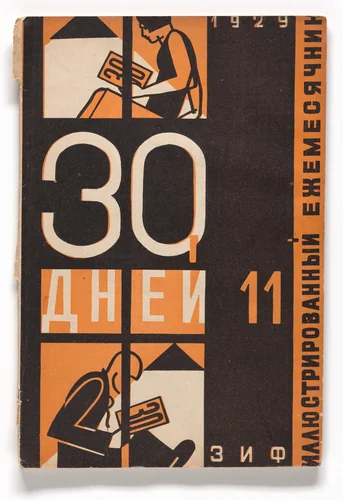
His technical approach involved careful utilization of perspective, sharp cropping, and stark contrasts, techniques visible even in simpler graphic studies like Propaganda Stand (Workers of the World Unite). Klutsis’s influence was crucial in establishing the sophisticated visual vocabulary of 20th-century political graphics, impacting everything from poster design to modern advertising layouts. Despite the intrinsically political function of their commissioning, these works display a high degree of formal sophistication. Today, scholars and collectors utilize public domain resources, finding high-quality prints derived from his originals, cementing his legacy not merely as a propagandist, but as a technical master of visual communication.
Source: Wikipedia · CC BY-SA 4.0