Gunta Stölzl
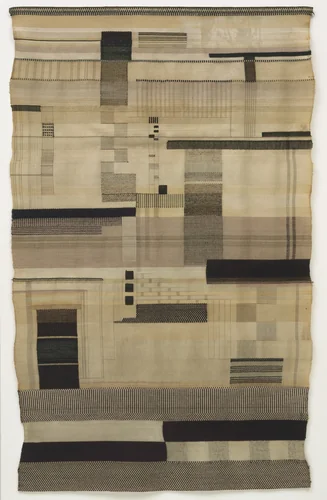
Gunta Stölzl (1897-1983) holds a singular and historically crucial place in the history of the Bauhaus, where she was the engine of transformation within the weaving workshop during the 1920s. A highly innovative German textile artist, Stölzl was fundamentally responsible for moving the department away from the individual, often pictorial wall hangings of its initial years and refocusing its efforts entirely toward functional, modern industrial designs. This decisive shift defined the workshop’s commercial and aesthetic legacy, successfully integrating high artistic standards with mass-production potential.
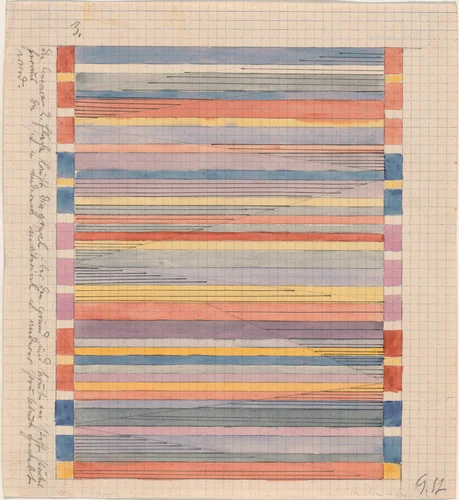
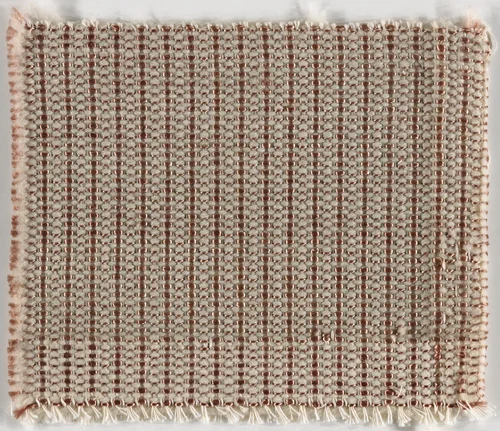
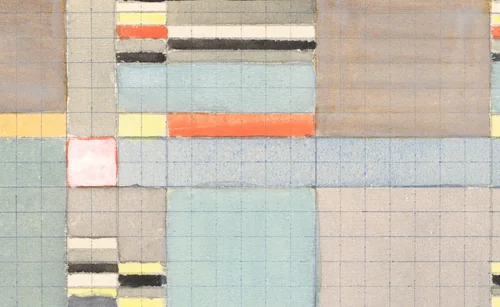
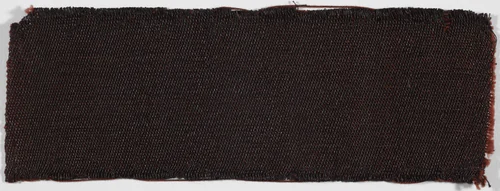
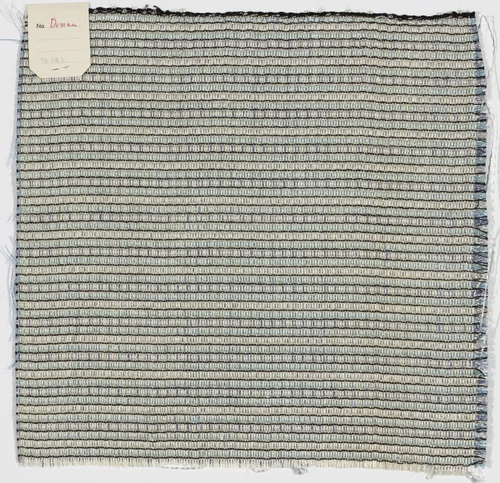
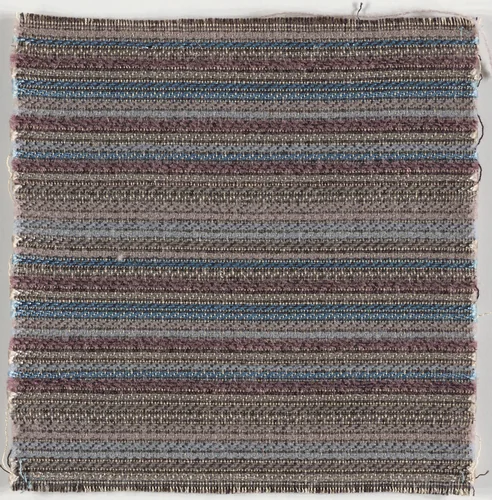
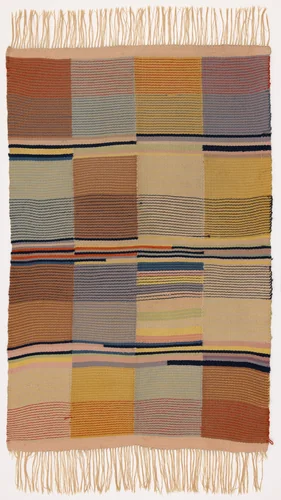
Active between 1920 and 1928, Stölzl approached weaving not merely as craft, but as complex architectural construction. Her designs reflect rigorous experimentation with material properties, texture, and structural integrity, often incorporating the new synthetic fibers and dyeing techniques of the era. Works such as Reversible Coat Material and Design for Double-Woven Cloth illustrate her primary interest in creating textiles with engineered versatility for commercial application. She fundamentally believed that color and structure were inseparable elements of the textile’s function, often employing vibrant, precise geometric compositions that maintained optical integrity regardless of scale.
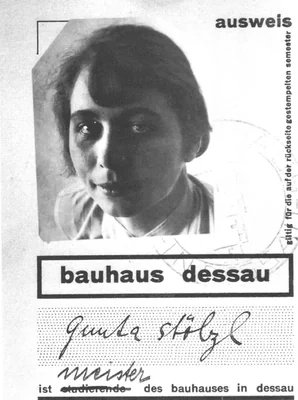
Stölzl's influence extended beyond technical innovation; she was also a crucial administrative and educational leader. She was one of the few women appointed to the teaching staff at the Bauhaus and, notably, the first woman to be granted the title of "Master" in the school's history. One might observe that, unlike many of her male counterparts who excelled in theoretical pedagogy, Stölzl built her legacy directly on the loom itself, demonstrating a pragmatic and deeply physical understanding of her medium.
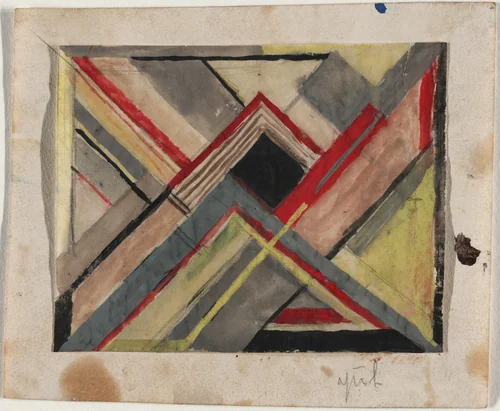
Today, her designs remain critical artifacts of early Modernism, held in major institutions including the Museum of Modern Art. Due to the clarity and enduring strength of her original graphic compositions, high-quality prints of Gunta Stölzl designs are frequently sought after by collectors and institutions, demonstrating the lasting museum-quality of her vision. Her commitment to technical standardization ensured the global dissemination of the Bauhaus textile methodology, and some of her earlier graphic studies and Design for Textile pieces are now entering the public domain, offering wider access to these foundational works.
Source: Wikipedia · CC BY-SA 4.0