Guillaume-Benjamin-Amant Duchenne
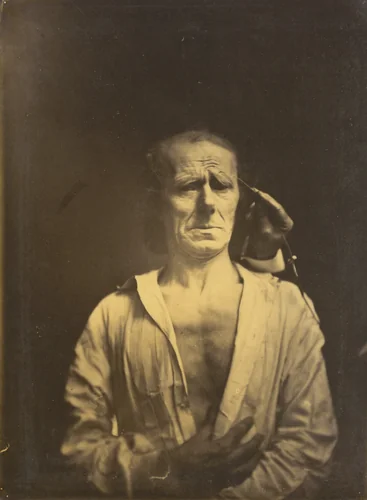
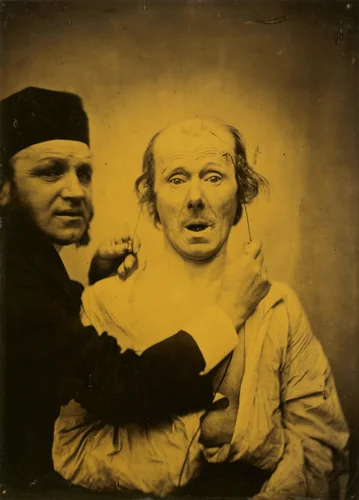
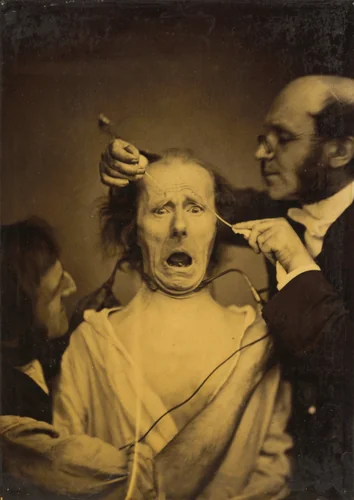
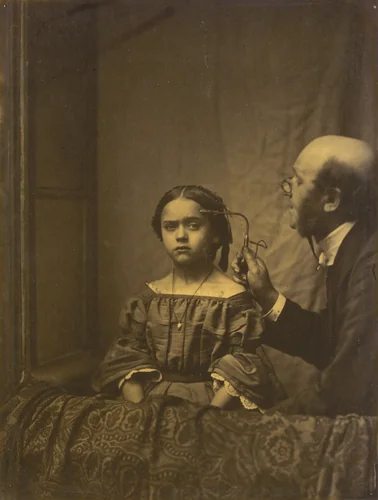
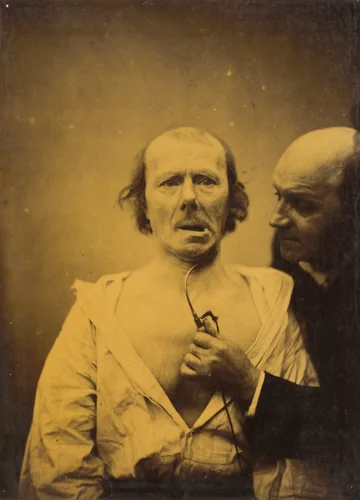
Guillaume-Benjamin-Amant Duchenne was a photographer active in the mid-nineteenth century, documented specifically around 1854. His photographic practice centered on scientific and physiological documentation, meticulously recording human expressions and states through detailed portraiture.
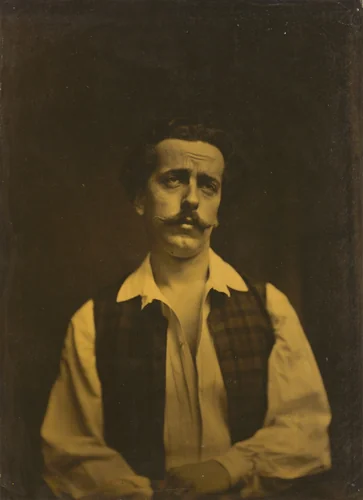
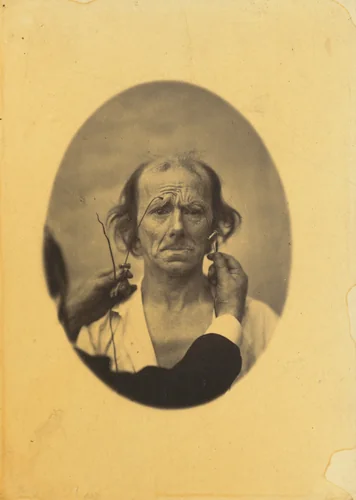
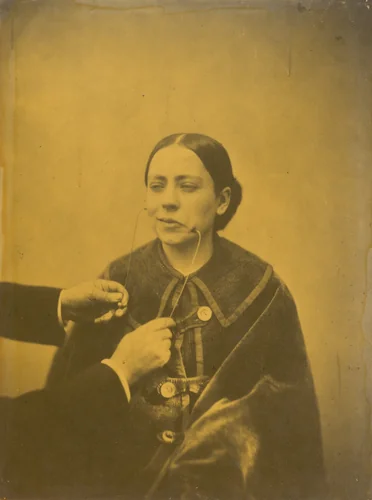
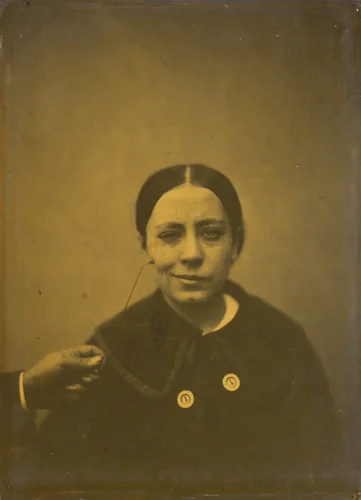
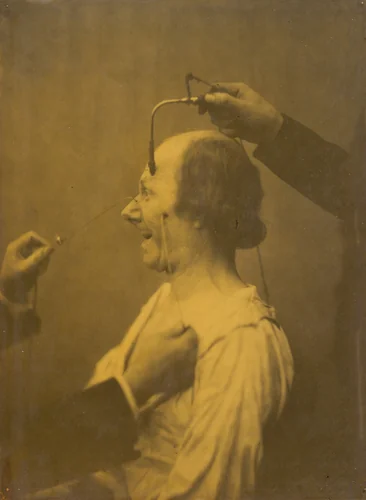
Duchenne’s surviving works, fifteen photographs in total, are represented in prominent institutions, including the National Gallery of Art. These images often follow a comparative structure, contrasting a neutral facial state with a specific expression or medical condition. Titles demonstrate the analytical nature of his studies, such as A relaxed face (left); Profound attention (right) and the paired studies A relaxed face (left); Disgust (right).
His detailed output also includes diagnostic portraits, exemplified by A portrait, seen in profile, of a man 42 years old, stupefied by the abuse of alcohol; his nose is aquiline. Duchenne's work offers a historical cornerstone for the study of emotional representation and early scientific photography. Today, the enduring interest in this specific form of documentation means many of his images are available in the public domain, often reproduced as high-quality prints for scholarly and educational purposes.