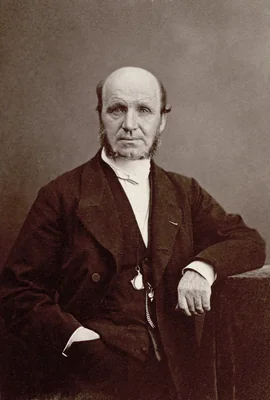
Guillaume Benjamin Amand Duchenne de Boulogne
Guillaume Benjamin Amand Duchenne de Boulogne was active in the field of photography, with his primary documented work centered around 1854. His practice was characterized by the clinical study of human emotion and muscular function, positioning his photographic output as crucial documentation at the intersection of early medical science and visual representation.
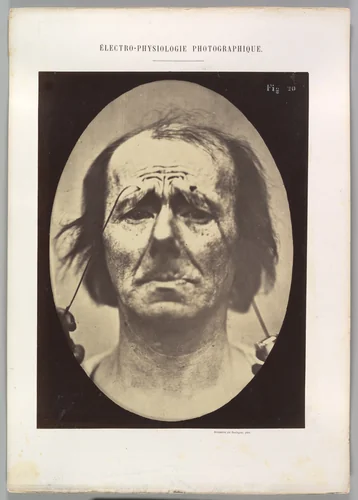
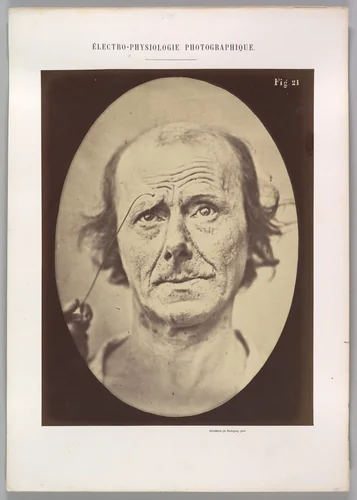
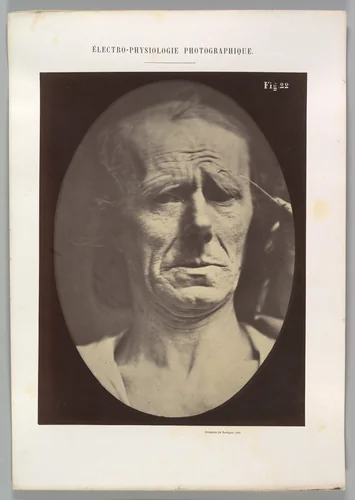
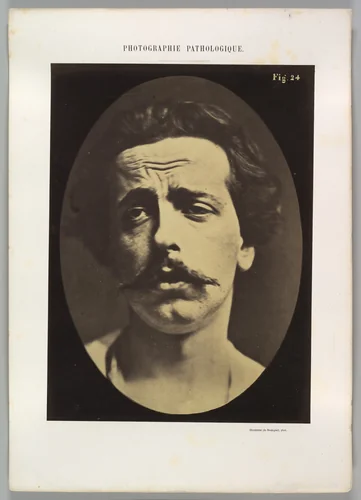
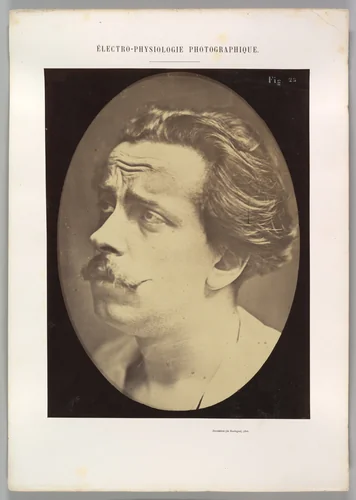
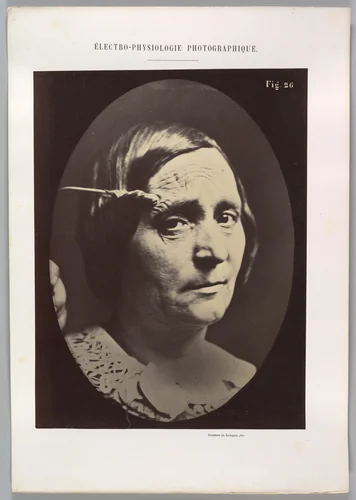
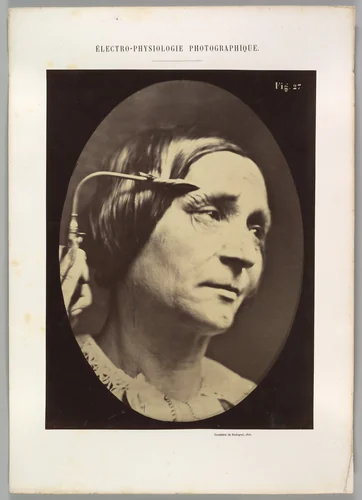
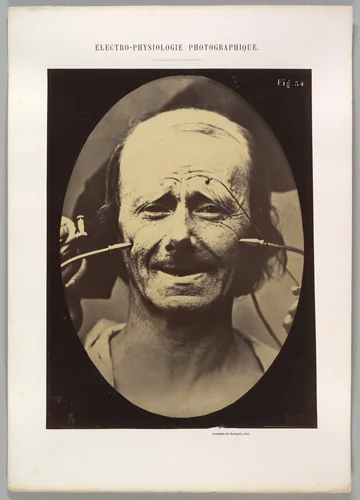
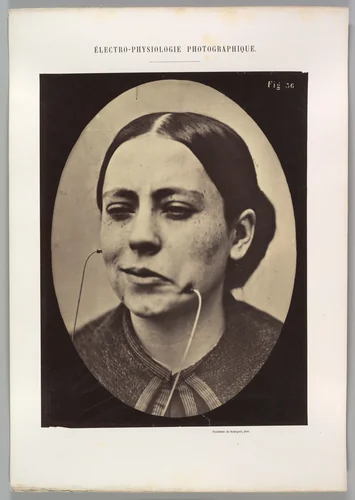
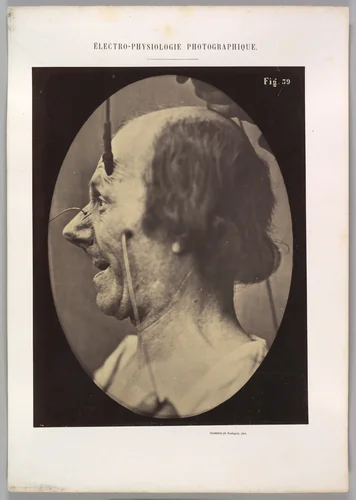
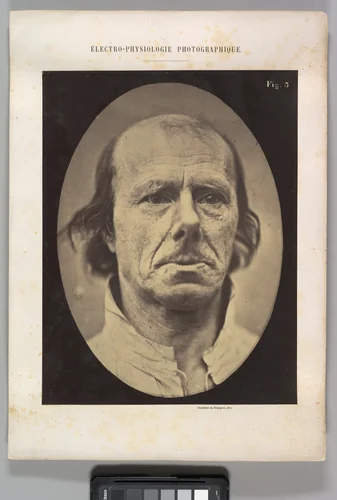
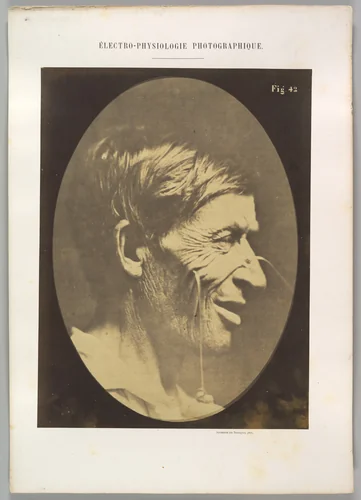
Fifteen of his historical photographs are represented in museum collections, confirming the enduring importance of his systematic documentation. These works typically consist of detailed, controlled studies of facial musculature and the resulting expressions achieved through electrical stimulation.
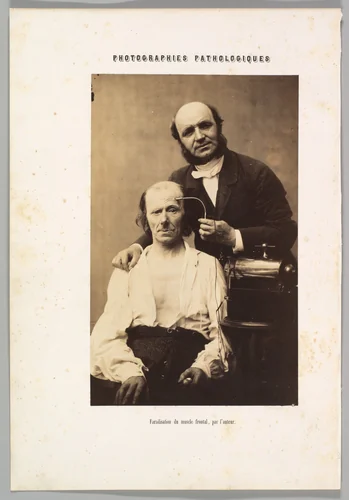
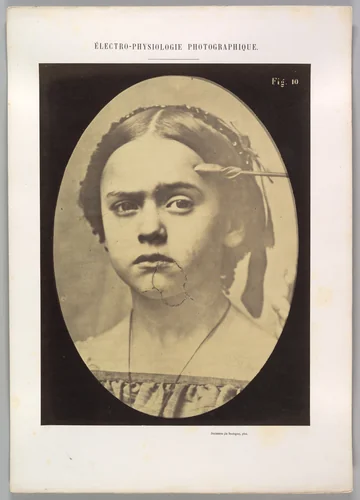
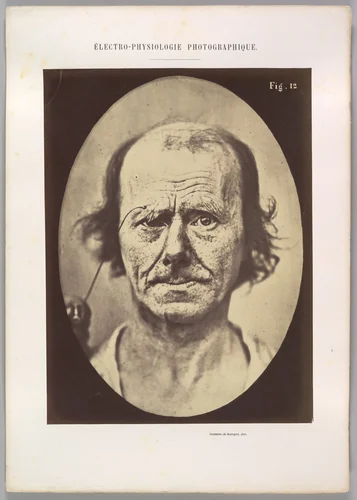
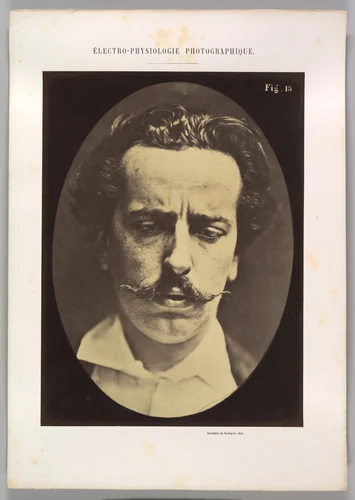
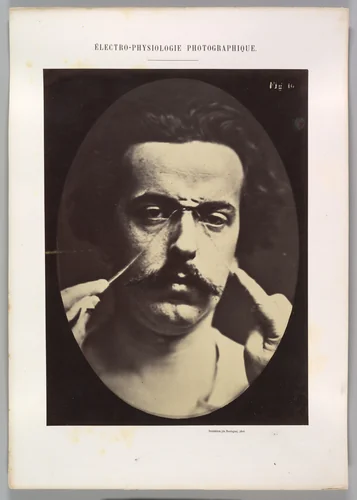
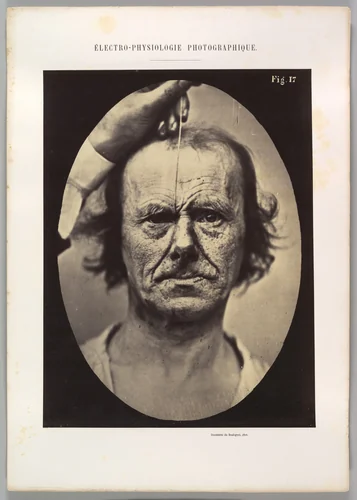
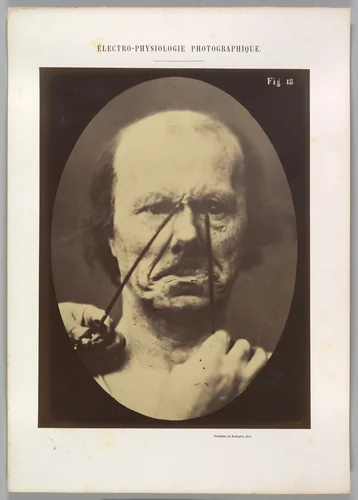
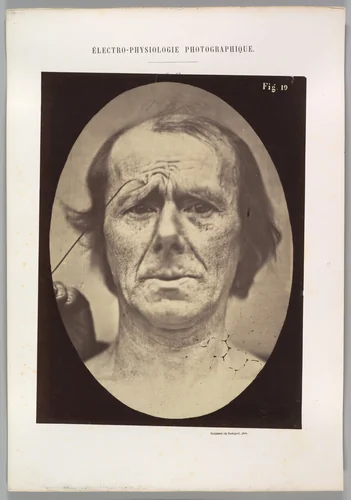
Key documented pieces include Faradisation du muscle frontal and a series of studies illustrating specific emotional states, such as Figure 15: Mediation, mental concentration and Figure 16: Expression of severity. Another notable study is Figure 12: A study of the contraction of and the expression produced by the superior part of m. orbicularis oculi. He also recorded specialized documentation like Figure 10: Showing the expressive lines of m. frontalis in a young girl.
The significance of Duchenne de Boulogne's systematic photographic inquiry is established by its inclusion in major institutions, including the Metropolitan Museum of Art. Because many of these historic images have entered the public domain, high-quality prints and downloadable artwork are often sought after for both scientific and historical study. The detailed nature of Guillaume Benjamin Amand Duchenne de Boulogne prints ensures their continued relevance in discussions of early medical illustration.
Source: Wikipedia · CC BY-SA 4.0