Guglielmo della Porta
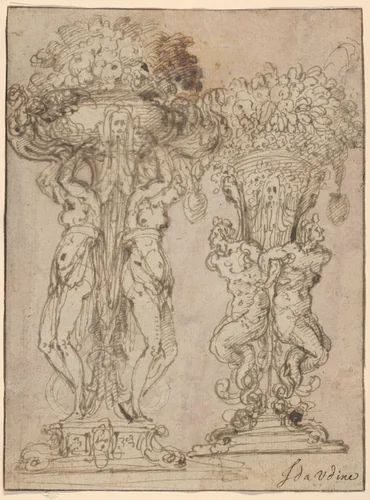
Guglielmo della Porta (active 1500-1585) was an essential Italian sculptor and architect who bridged the aesthetic transition from the High Renaissance into the dramatic complexity of the Mannerist period. While his architectural contributions remain significant in the historical record, della Porta’s enduring international significance rests on the superb quality of his smaller-scale artistic output: a precise collection of eight documented metalworks and six highly expressive preparatory drawings. These pieces, now held in major collections including the Metropolitan Museum of Art and the Art Institute of Chicago, offer a focused study of sixteenth-century studio practice and narrative density.
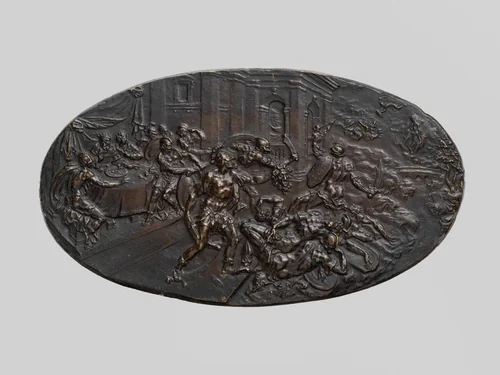
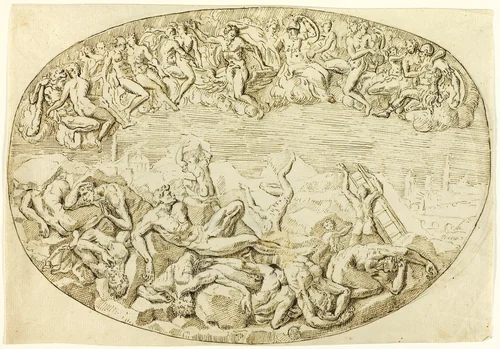
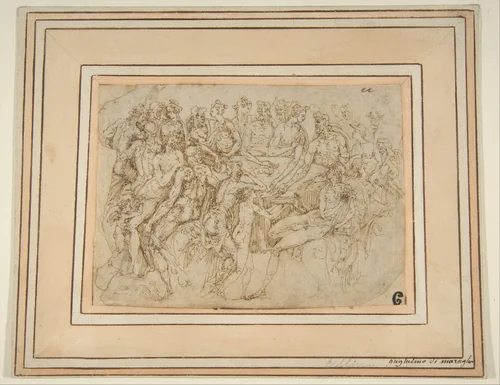
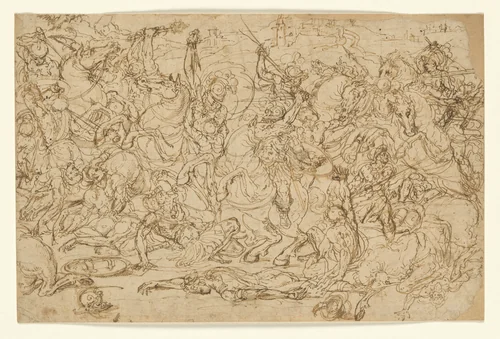
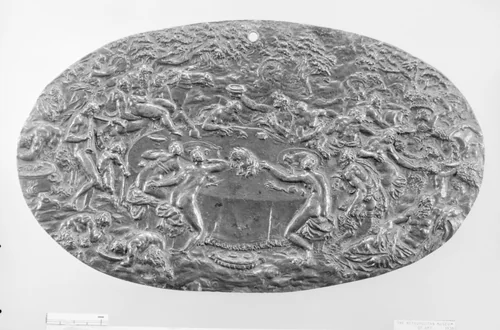
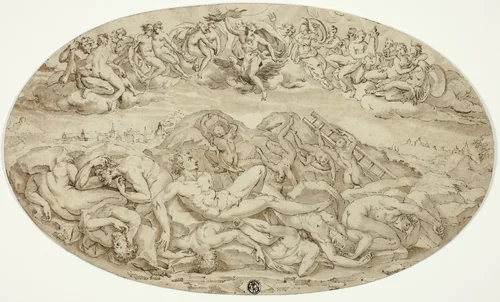
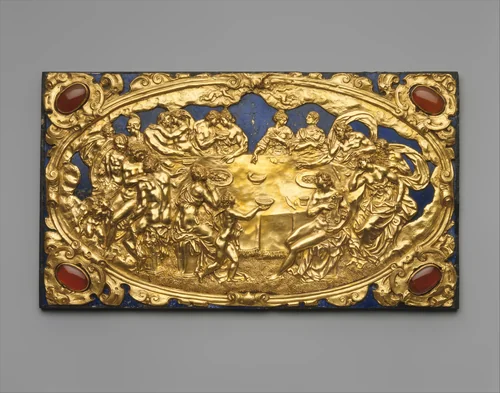
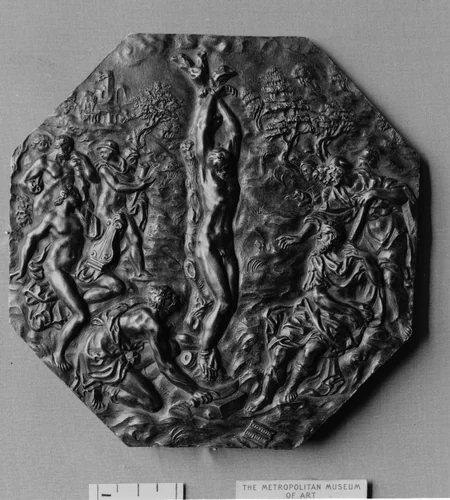
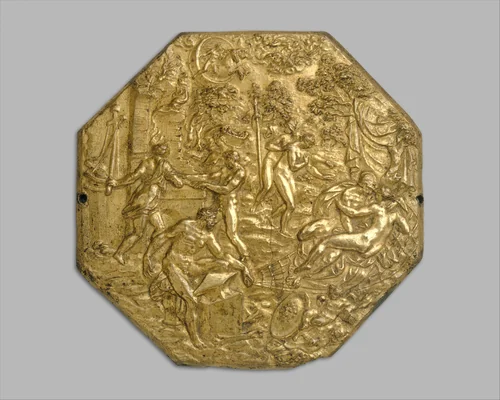
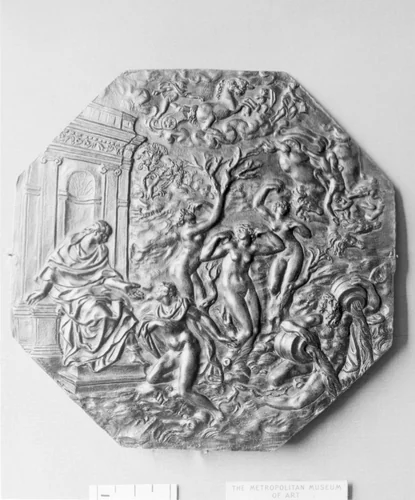
Della Porta specialized in creating bronze reliefs that translated epic mythological narratives into compressed, high-drama formats. His sculptural style demonstrates a profound understanding of classical forms, yet applies the intentional distortion and elongated intensity characteristic of Mannerism. Works such as Perseus with the head of Medusa, and Phineus and the detailed scene of The Banquet of the Gods employ complex, multi-figured compositions that explode the boundaries of shallow relief. His draftsmanship, essential for planning these intricate scenes, is equally masterful. Detailed studies like Fall of the Giants reveal his facility in pen and wash, capturing kinetic energy and chaotic movement with disciplined lines.
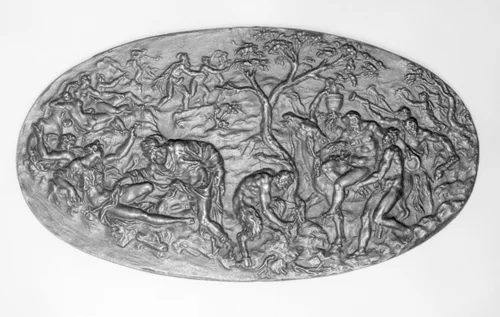
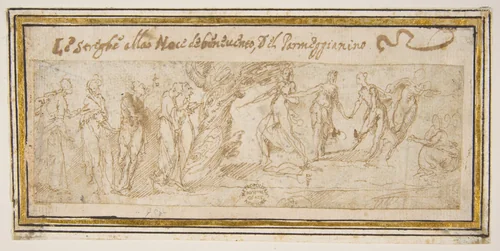
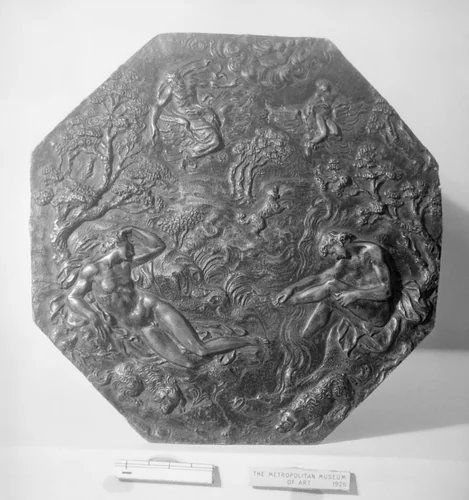
The scope of della Porta’s subject matter ranged from Ovidian classics, as seen in Story from Ovid's Metamorphoses, to unsettling local folklore, notably in The Witches at the Walnut Tree of Benevento, a composition that transforms regional legend into a vivid, almost hallucinatory spectacle. For an artist historically defined by the solidity and permanence of bronze and stone, it is perhaps a subtle observation that his most emotionally expressive visions survive today in the fragile mediums of ink and paper.
These preliminary designs were crucial for dissemination and instruction, making high-quality Guglielmo della Porta prints highly valued by succeeding generations of artists. They remain museum-quality examples of mid-century Italian design. Today, these seminal works are accessible globally, with many major drawings available as downloadable artwork, ensuring the meticulous vision of della Porta continues to inform scholars and enthusiasts alike.