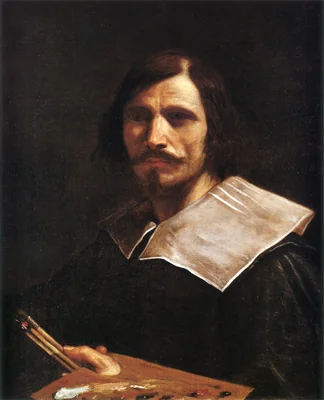
Guercino
Giovanni Francesco Barbieri, known universally as Guercino, was a foundational Italian Baroque master operating primarily from his native Cento, though his influence stretched across the major artistic centers of Rome and Bologna. His career trajectory provides a key insight into 17th-century Italian art, defined by its dramatic stylistic pivot. While his early output was characterized by an intense, almost startling vigor and naturalism, his later works embraced a more temperate classical equilibrium.
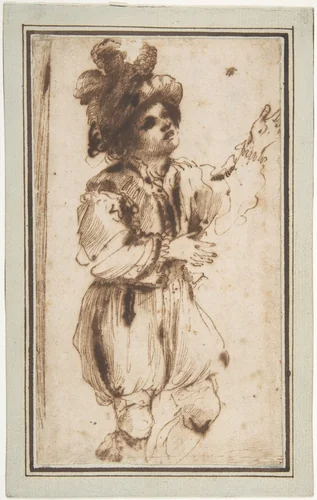
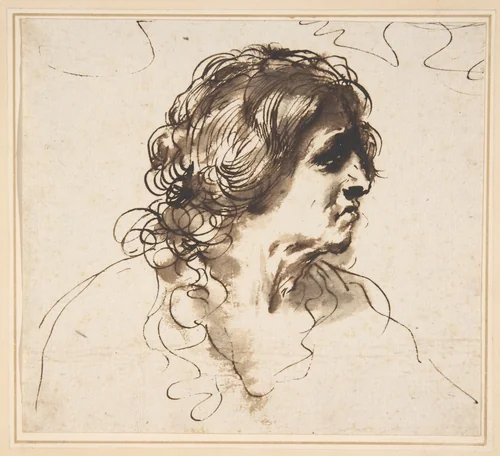
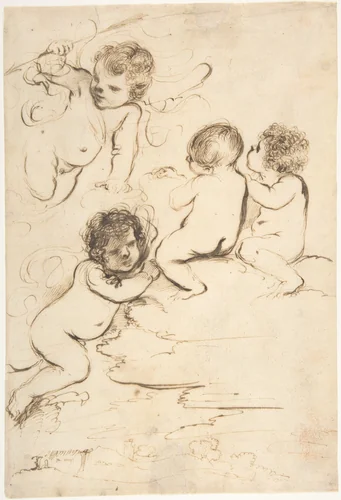
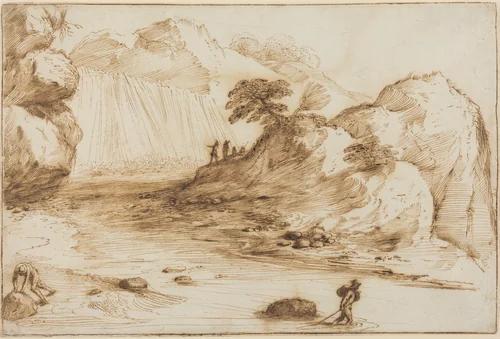
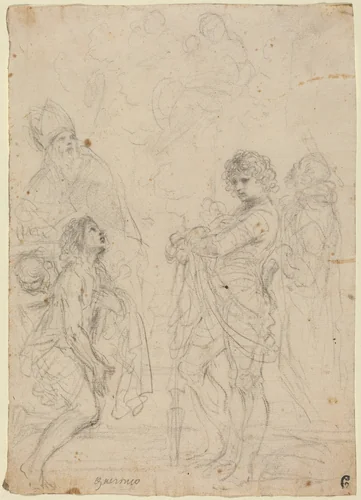
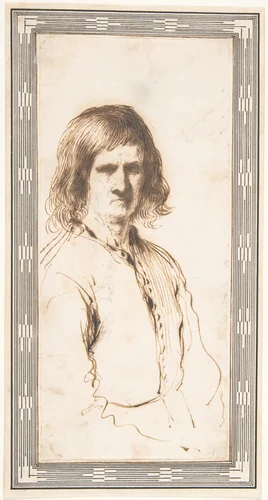
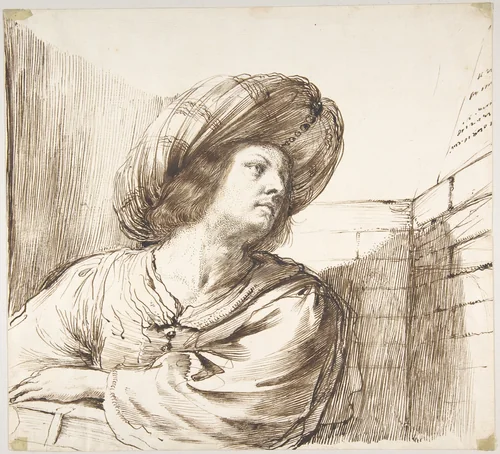
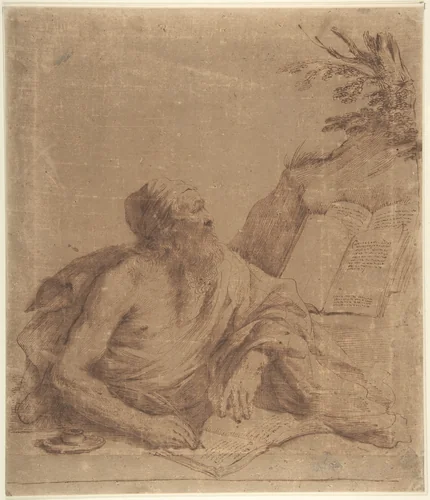
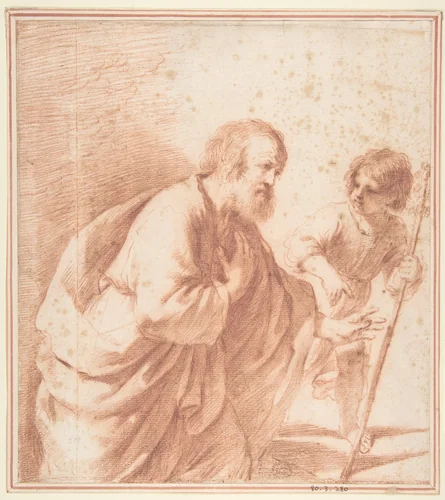
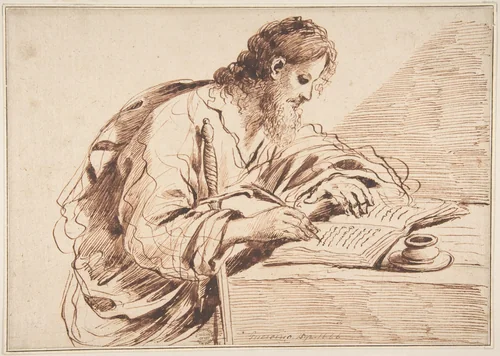
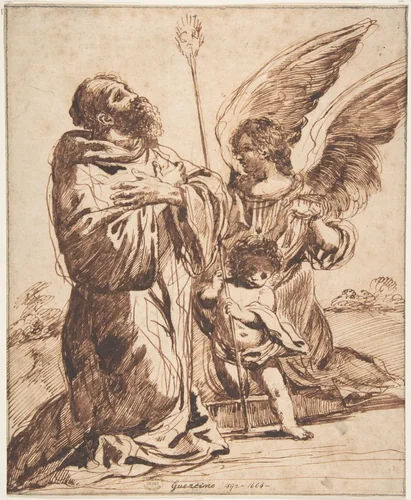
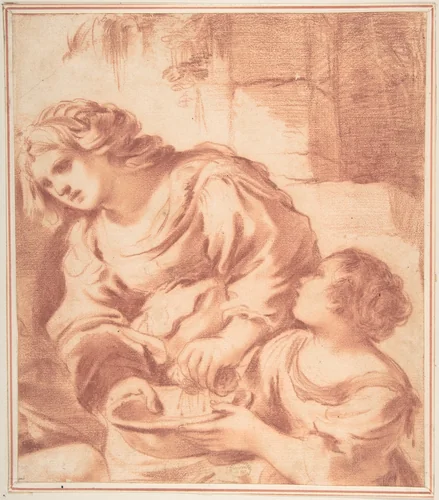
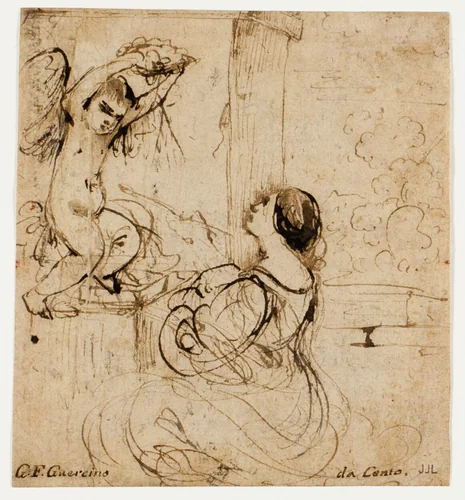
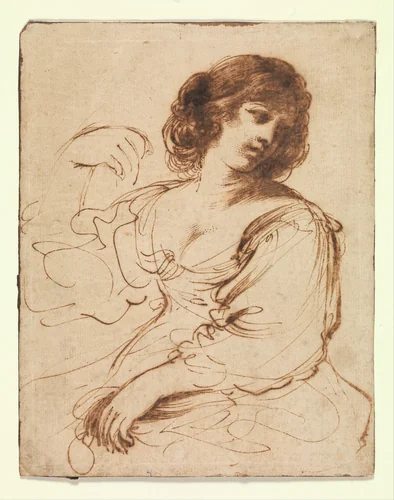
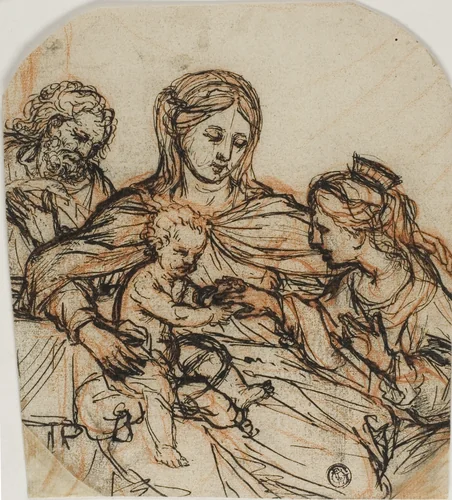
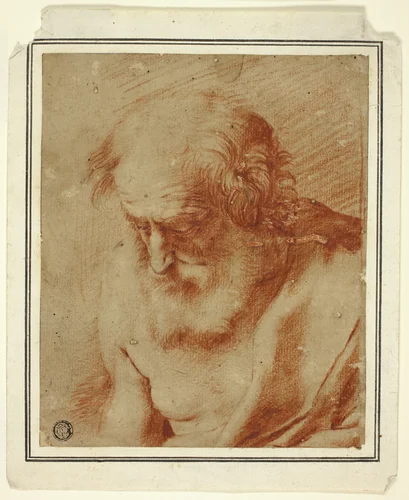
Guercino’s initial approach aligned with the dynamism of early Baroque painting. He rapidly mastered dramatic illumination, allowing him to imbue his subjects with sudden, palpable life, as seen even in preparatory sketches and genre studies. It is perhaps in his work on paper that his immediate genius as a draftsman is most apparent. His many drawings, prized by leading institutions including the Metropolitan Museum of Art and the National Gallery of Art, are specifically noted for their exceptional luminosity and genuinely lively, unconstrained style. Examples such as Boy Chasing a Butterfly capture this energetic immediacy.
Guercino, whose moniker literally means "the squinter" due to a childhood injury, proved anything but myopic in his artistic outlook. He demonstrated remarkable adaptability by successfully navigating the subsequent turn toward a more highly refined classicism, influenced by contemporaries like the Carracci family. This stylistic maturation produced Guercino paintings that championed measured balance and harmony over purely dramatic effect.
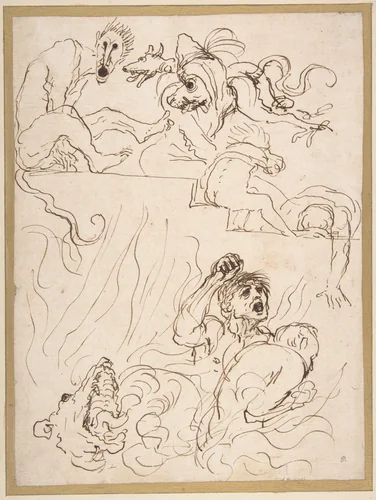
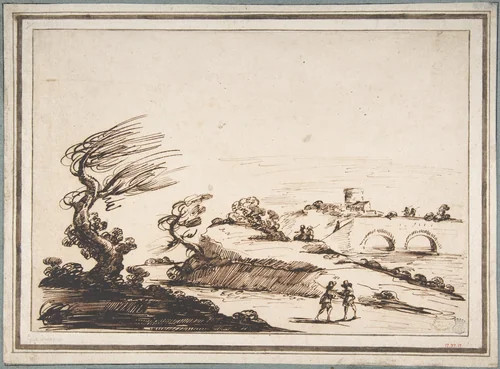
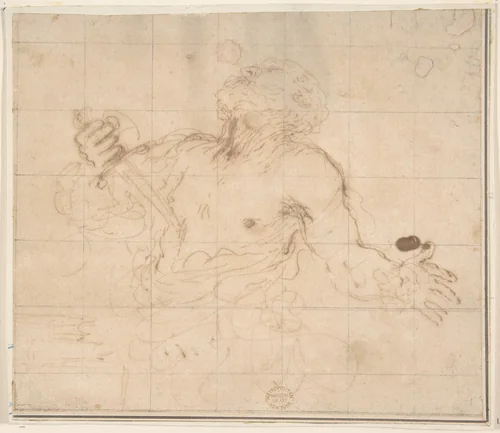
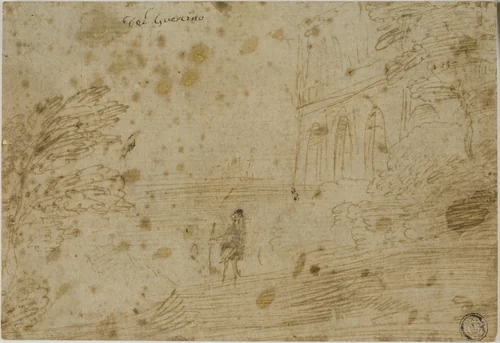
His prolific output, encompassing religious commissions, complex mythological studies like A Diablerie, and meticulous landscape drawings such as Landscape with Figures and a Two-Arched Bridge, ensures his enduring reputation. Guercino’s work represents a crucial bridge between the explosive energy of early Baroque and the measured classicism that followed. Today, many of these museum-quality compositions, representing the peak of his artistry, are available through the public domain, allowing enthusiasts access to high-quality prints and royalty-free downloadable artwork.
Source: Wikipedia · CC BY-SA 4.0