Greece
The artistic production associated with Greece, officially the Hellenic Republic, spans millennia, yet the output between 1601 and 1801 provides a focused study in regional textile mastery and enduring cultural identity. Geographically situated on the southern tip of the Balkan peninsula, sharing land borders with Albania, North Macedonia, Bulgaria, and Turkey, the Hellenic cultural sphere is simultaneously defined by its vast maritime context, bordered by the Aegean, Ionian, and Mediterranean Seas. This position resulted in a distinctive decorative arts tradition, particularly evident in sophisticated domestic textiles.
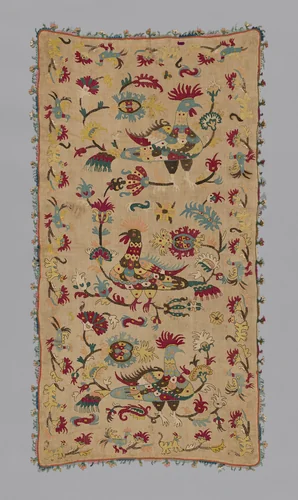
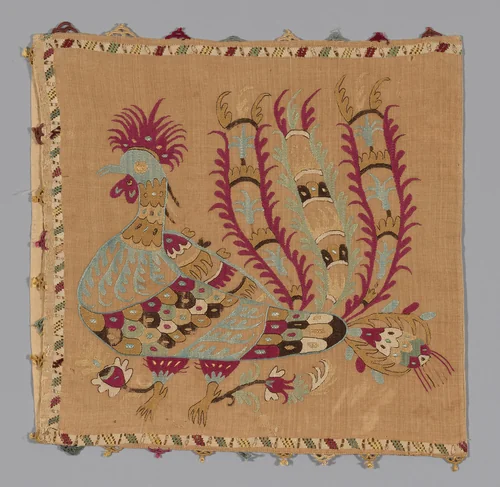
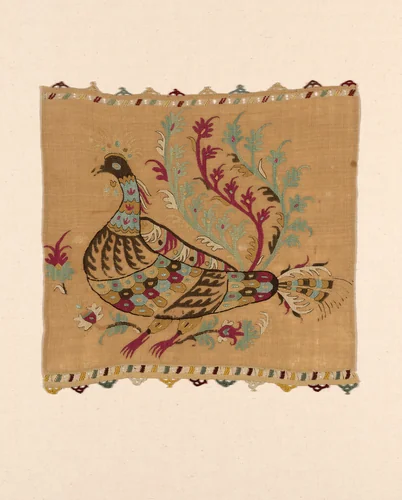
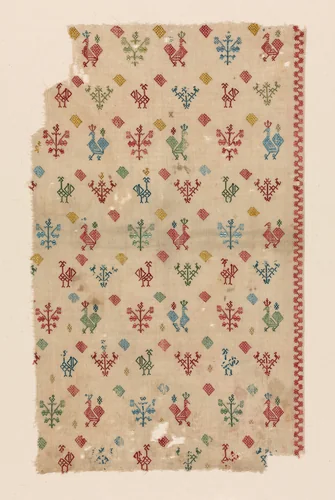
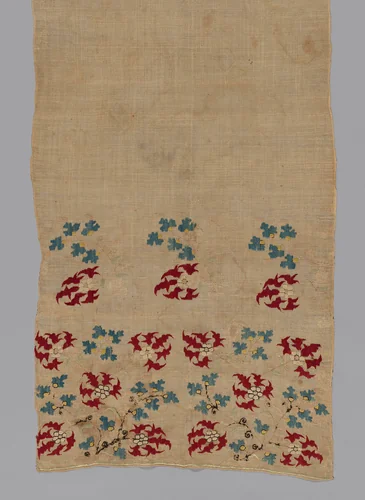
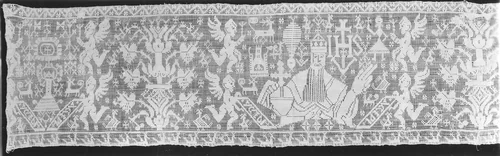
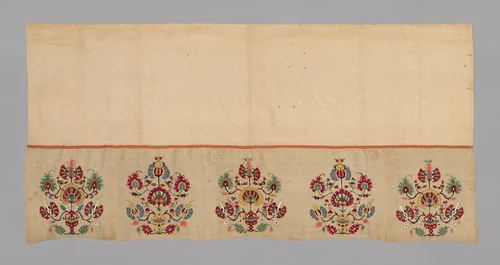
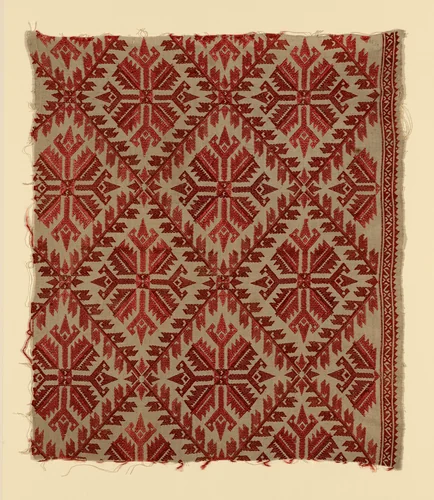
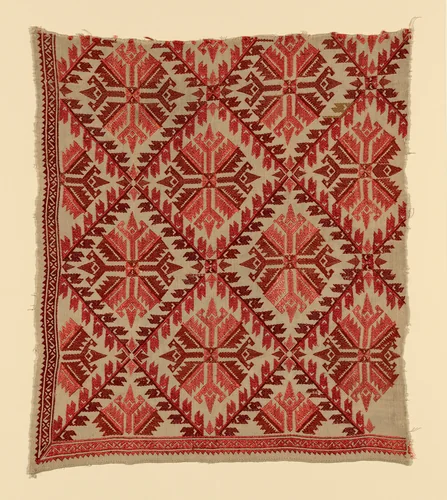
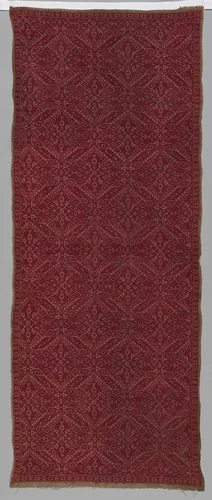
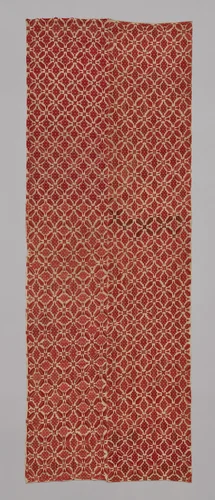
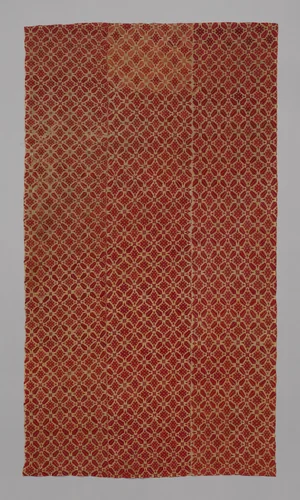
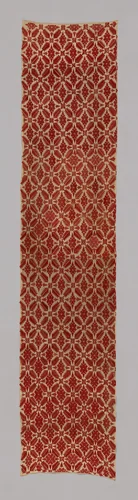
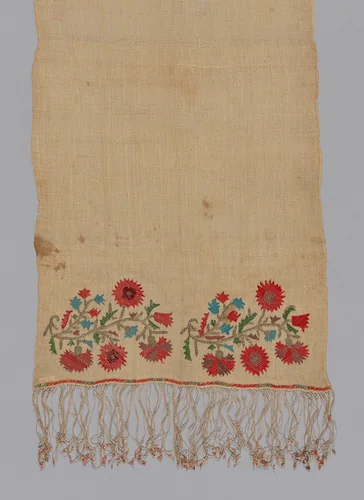
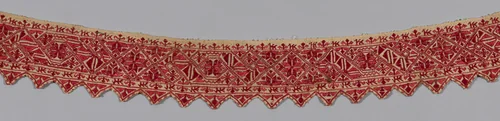
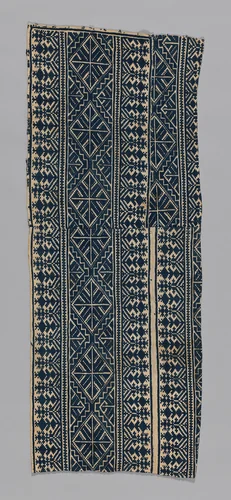
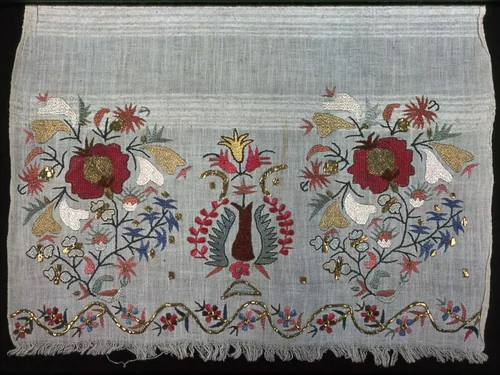
This two-century span, represented by works in major institutional holdings like the Art Institute of Chicago, is characterized by the production of finely embroidered and woven artifacts for household utility and display. The collection showcases specialized pieces such as the structurally dense Cushion Cover, several variations of the intricate Pillow Cover, and the exquisitely detailed Fragment (Border), alongside everyday linens like the Towel. Totaling fifteen known textiles from this period, these works illustrate complex needlework techniques utilizing silk, cotton, and linen threads, typically featuring geometric repeats, stylized animal forms, or elaborate floral compositions.
As a nation boasting the longest coastline on the Mediterranean basin, encompassing thousands of islands and nine traditional geographic regions, variances in technique and local motif were highly pronounced. The pervasive necessity of regional distinctiveness ensured that the creation of these utilitarian objects evolved into a highly competitive craft, where the quality of the stitch defined social standing. The sheer precision required for these small, dense embroideries suggests that the display of high-status domestic storage was arguably given the same design gravity as monumental artistic commissions of the era.
These surviving works offer crucial material evidence of 17th and 18th-century Greek culture. While this period is primarily associated with textiles and localized iconography, later eras produced significant Greece paintings and graphic arts. Today, much of this historical artistic legacy is accessible for study. Researchers and collectors seeking insights into these unique designs can often find museum-quality reproductions or high-quality prints of related works available through public domain collections, ensuring the continued study of this influential heritage.
Source: Wikipedia · CC BY-SA 4.0