Grace Halpin
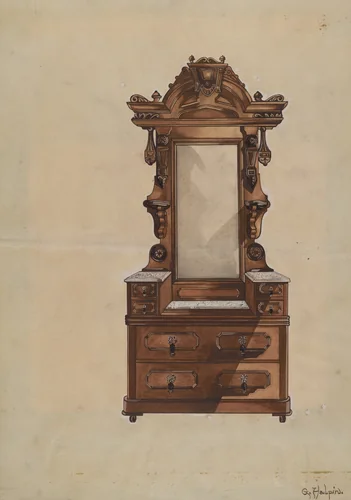
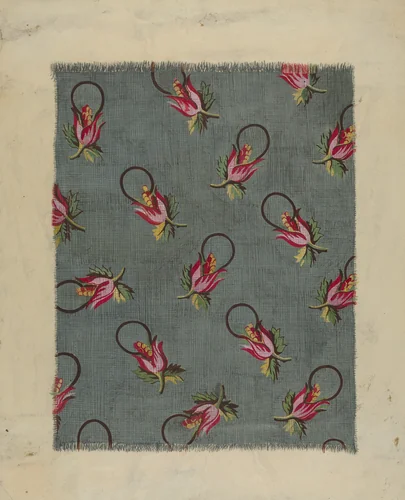
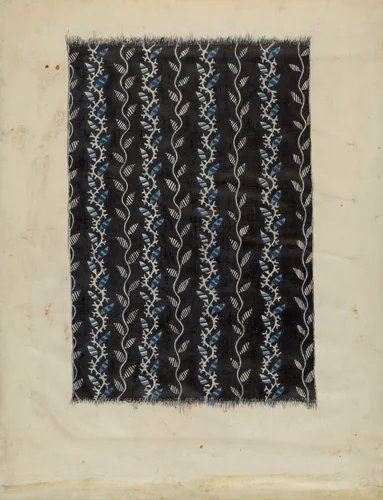
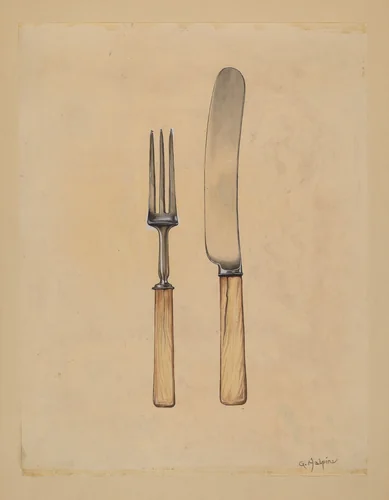
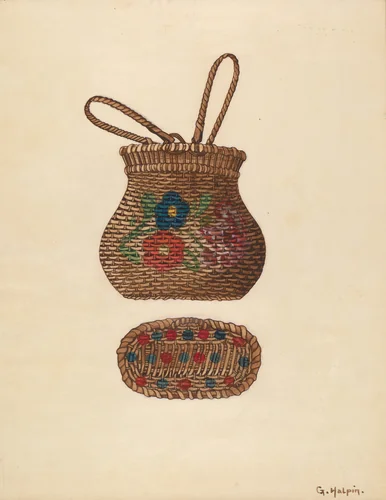
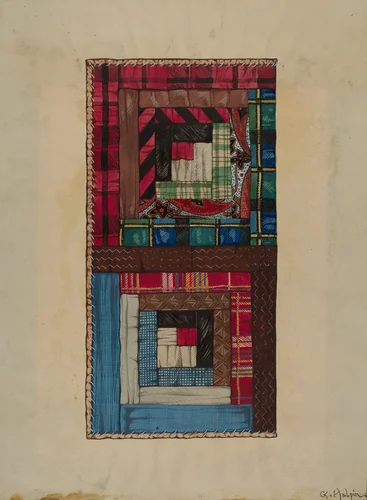
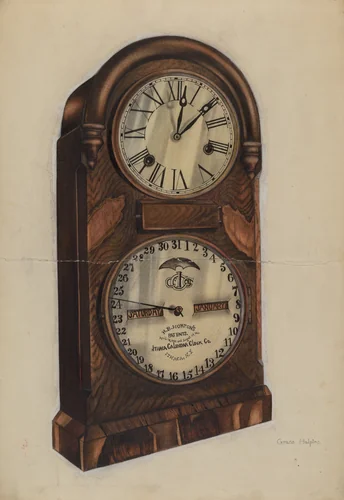
Grace Halpin was an artist active during a concentrated period between 1935 and 1936. Their output is entirely associated with the Index of American Design (IAD), a program established under the Federal Art Project (FAP) of the New Deal era. Halpin contributed to the IAD’s core mission: creating a comprehensive, visual record of historic American decorative arts, crafts, and folk culture through detailed illustrations and renderings.
The artist is represented by 15 works in the collection of the National Gallery of Art, demonstrating their skill in meticulous documentation. These preserved Index of American Designs serve as primary source materials documenting historical American material culture.
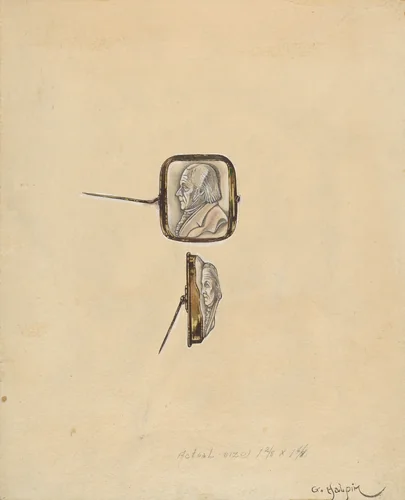
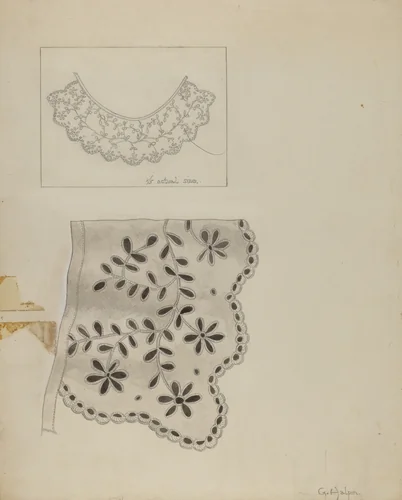
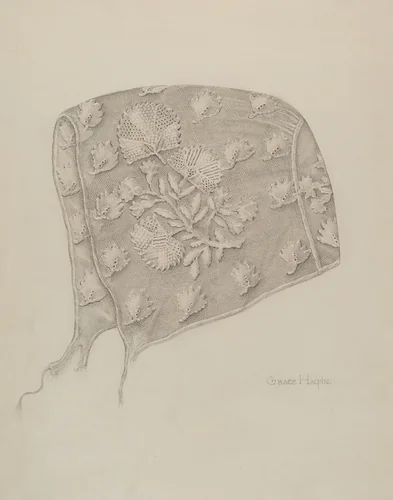
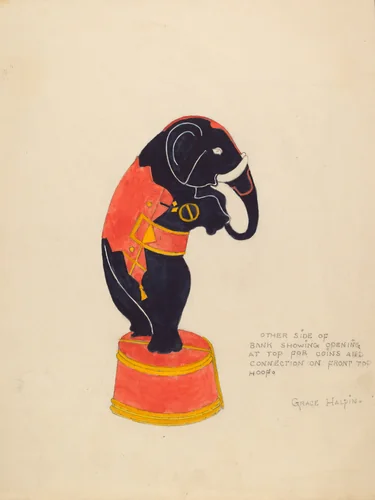
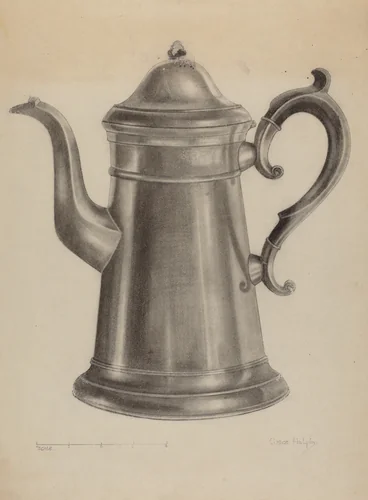
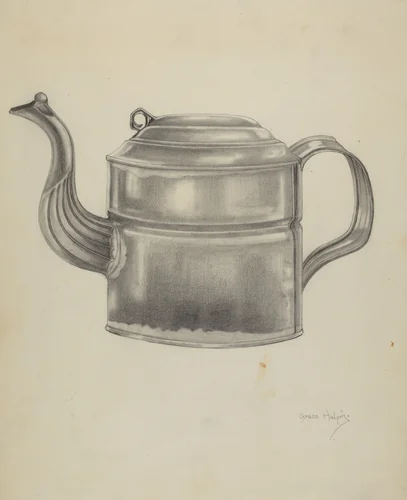
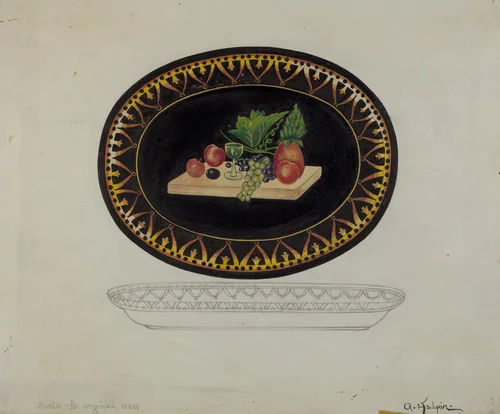
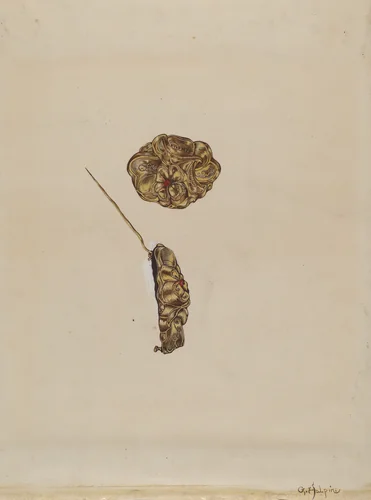
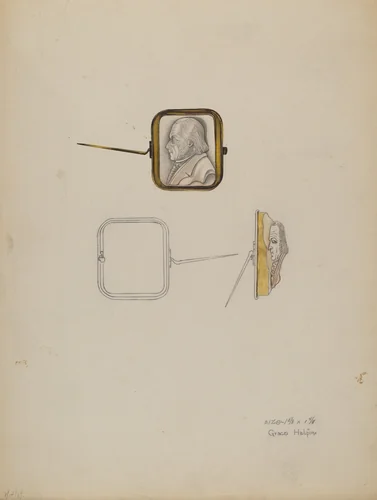
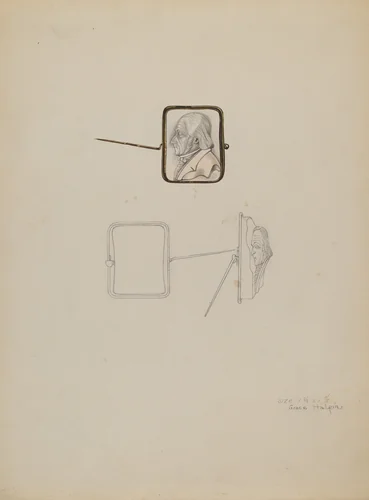
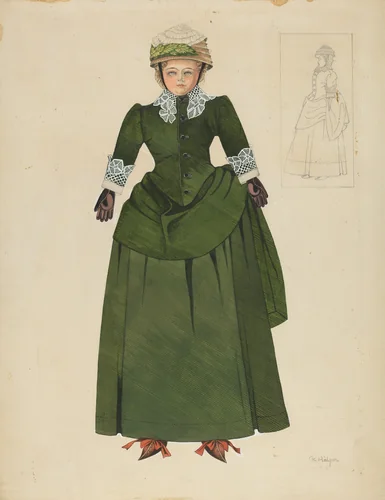
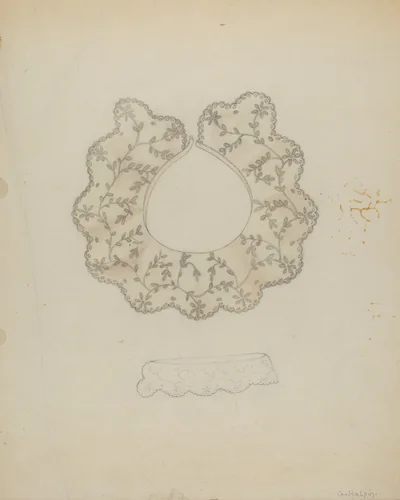
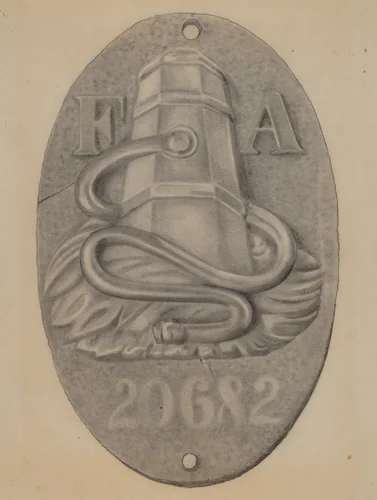
Subjects documented by Halpin include detailed renderings of items such as a Cameo Brooch, an Embroidered Linen Collar, an Infant's Cap, a Penny Bank, and a Pewter Coffee Pot. These objects were documented across multiple states, contributing to the FAP’s effort to nationalize the history of American design. The precision required for these museum-quality renderings ensured accuracy for future scholarly research. Today, the artist's historical documentation is often digitized, and high-quality prints of these works are widely available, contributing significant material to the public domain regarding American decorative history.