Goya
Francisco José de Goya y Lucientes (1746-1828) occupies a singular and transformative role in Western art history, standing as the definitive hinge between the courtly traditions of the Old Masters and the radical psychological depth of the modern era. Recognized as the preeminent Spanish artist spanning the late eighteenth and early nineteenth centuries, his immense output encompasses painting, drawing, and a revolutionary approach to printmaking. His works provided an immediate and often disturbing reflection of contemporary historical upheavals, paving the way for the development of both Romanticism and Expressionism.
Goya’s early success included prestigious royal commissions and academic exercises, such as the masterful oil copy Isabel of Bourbon, Queen of Spain on horseback, after Velázquez, confirming his technical mastery over established techniques. However, his artistic focus pivoted sharply, transforming his medium from one of mere representation into a vehicle for stark, unflinching social and political commentary. This commitment to visceral realism sets him apart; he was one of the first artists to consistently examine human cruelty and irrationality without recourse to religious or mythological justification.
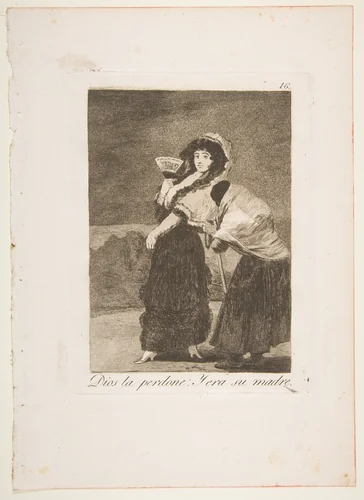
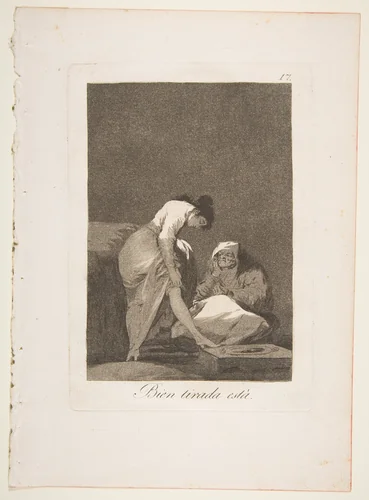
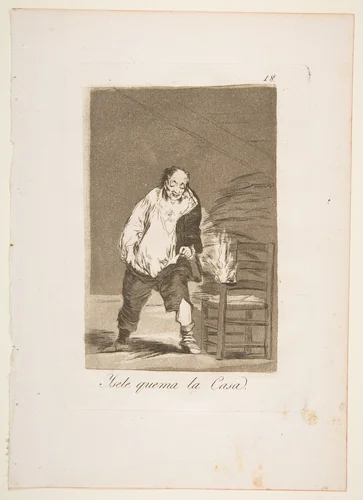
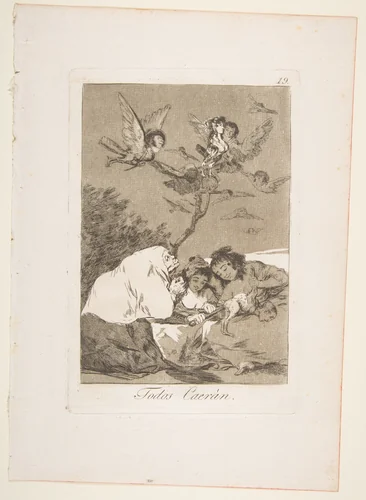
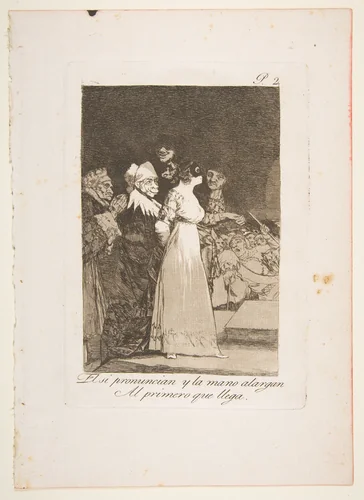
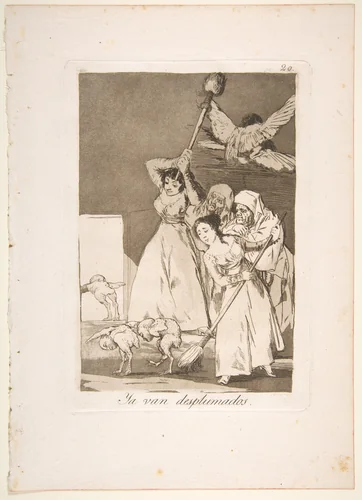
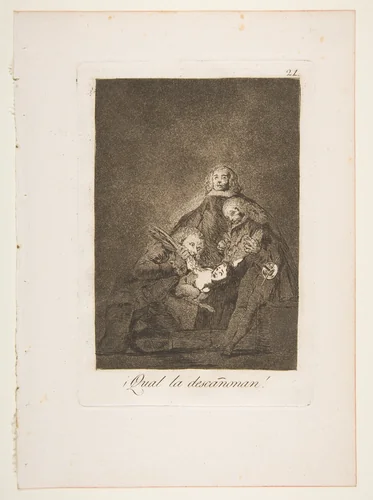
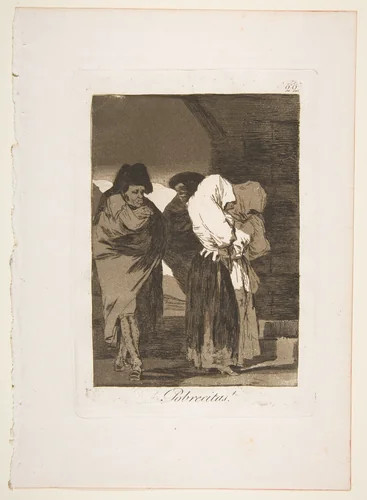
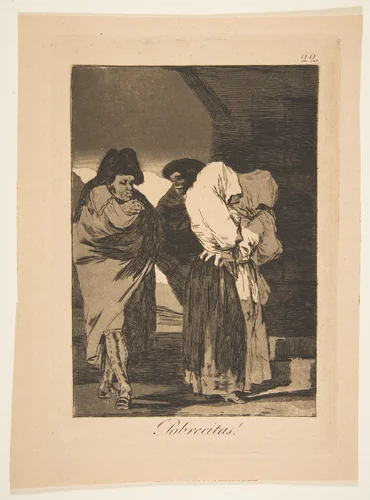
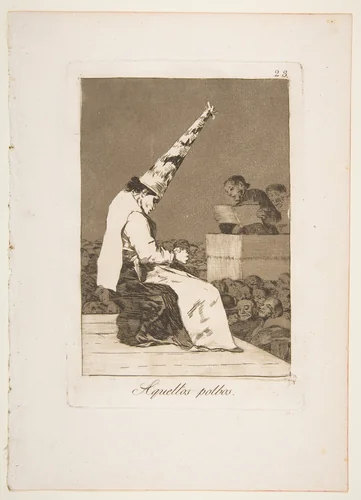
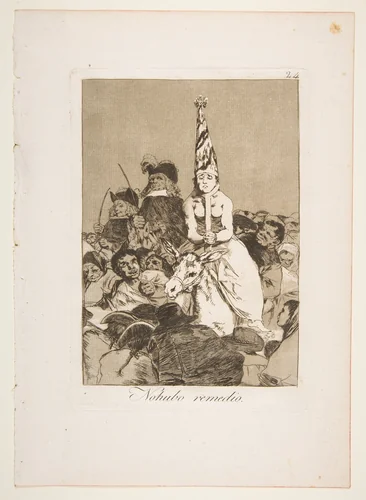
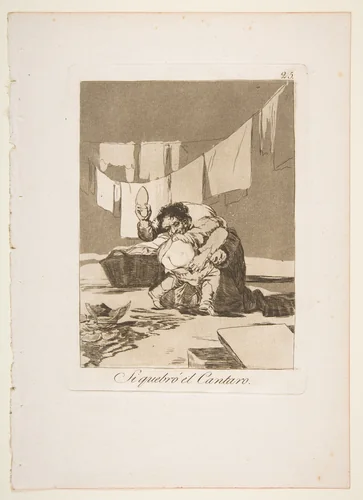
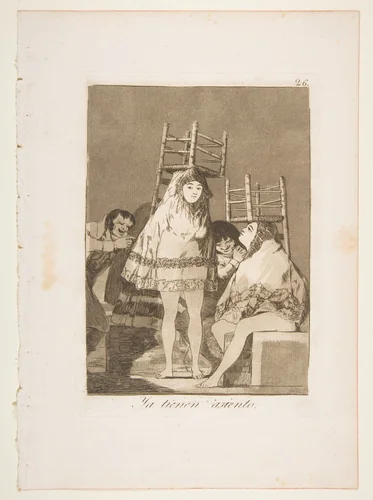
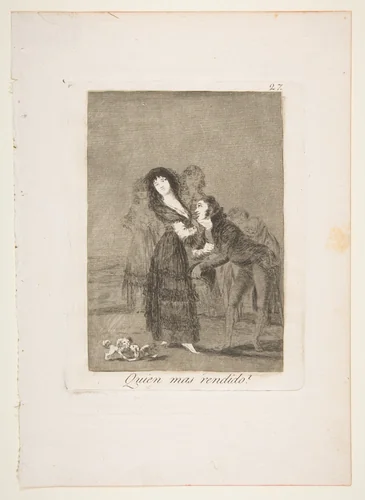
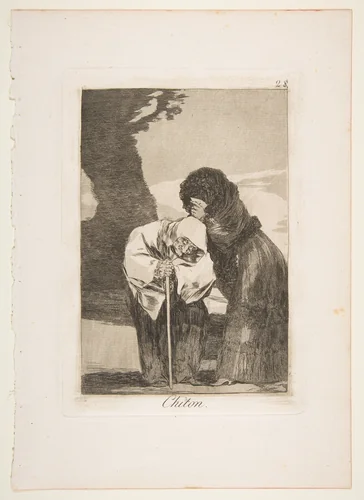
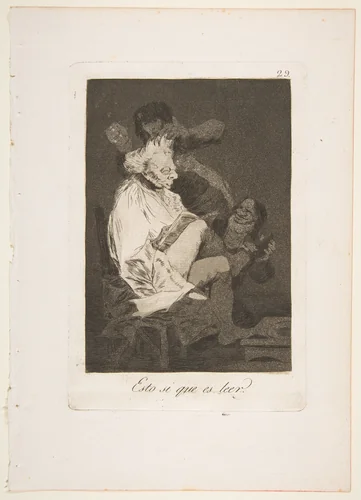
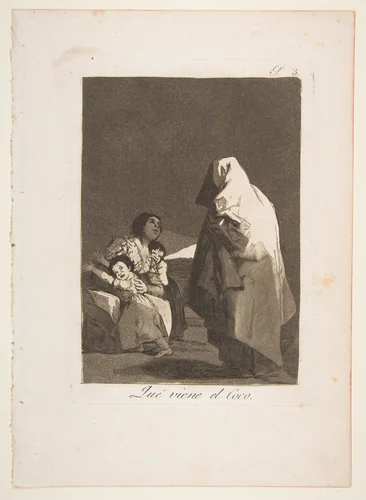
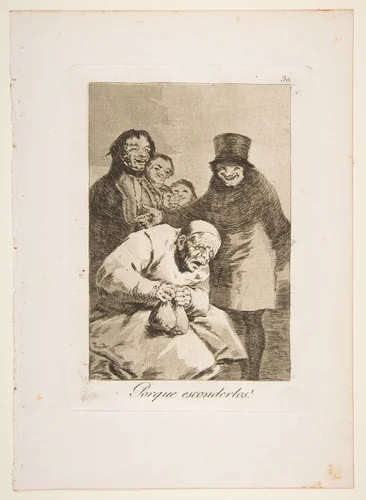
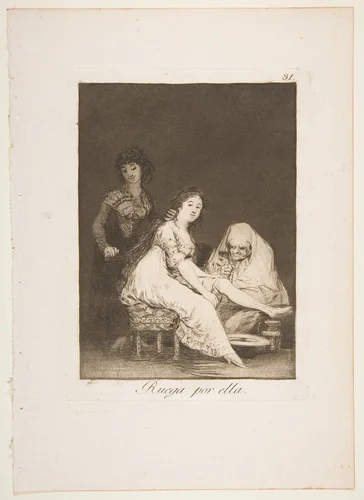
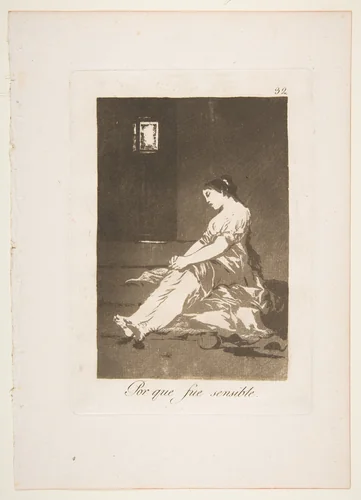
It is arguably through his graphic works that Goya achieved his most profound and unsettling innovations. Employing cutting-edge techniques in etching and aquatint, his series of prints explored themes ranging from clerical corruption to the harsh realities of justice, exemplified by works such as Garroted Man and The garroted man (El agarrotado). This fearlessness in depicting the grim interiority of human experience, even in formal portraits like Narcisa Barañana de Goicoechea, established him as a profoundly influential figure for 19th- and 20th-century painters.
Goya’s legacy is defined by this complex duality: he was the consummate court painter capable of producing technically brilliant Goya paintings, yet he was also the fearless proto-modern critic who turned a severe eye upon his own society. His continued relevance ensures that a wide array of his drawings and Goya prints are preserved in leading institutions, including the Metropolitan Museum of Art. Today, many of these museum-quality works are routinely entering the public domain, making high-quality prints and downloadable artwork accessible for global scholarship and appreciation.
Source: Wikipedia · CC BY-SA 4.0