Govaert Flinck
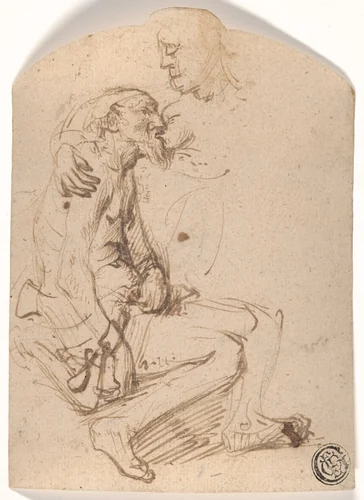
Govaert Flinck (Govert Teuniszoon Flinck) stands as one of the preeminent painters of the Dutch Golden Age, celebrated particularly for his robust history paintings and penetrating portraiture. Active between 1615 and 1700, Flinck began his training in Leeuwarden, but his career trajectory fundamentally shifted upon relocating to Amsterdam, where he entered the studio of Rembrandt van Rijn in the mid-1630s. This early period saw Flinck closely adopting the dramatic chiaroscuro and expressive impasto techniques favored by his mentor, quickly mastering the style and producing nuanced character studies such as Study of a Man Playing a Pipe.
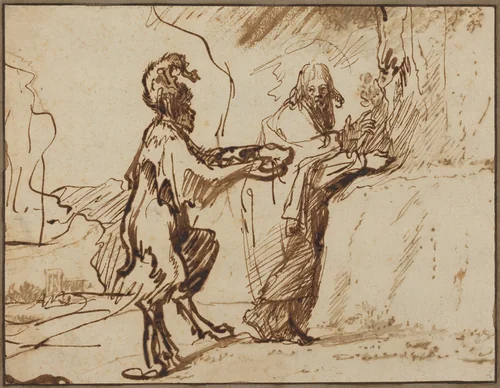
Flinck was not merely a diligent student; he proved to be an astute market strategist. By the 1640s, as the tastes of wealthy Amsterdam patrons began to shift away from Rembrandt’s intense psychological drama toward a more polished, classicizing aesthetic, Flinck deftly altered his approach. He moved toward lighter palettes, smoother surfaces, and more monumental compositions. This shift is evident in works like the classical allegory Cimon and Pero and the religious scene Temptation of Christ. The subtle truth of Flinck’s later career is that his adaptable style and ability to blend Rembrandtesque insight with fashionable classicism led him to eventually supplant his former master as the preferred choice for major civic and regency commissions in the 1650s.
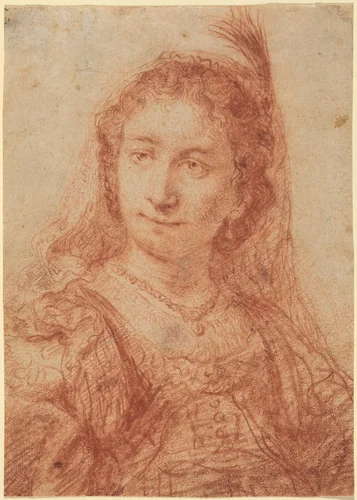
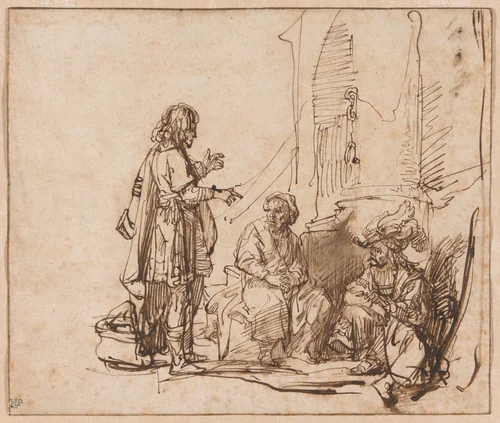
His extensive oeuvre, including historical and biblical narratives such as Joseph Interpreting the Prisoners' Dreams, reflects the sophisticated artistic demands of the era. Today, Flinck’s works are represented in major institutions globally, including the Art Institute of Chicago, the National Gallery of Art, and the Cleveland Museum of Art. The lasting quality of his draftsmanship is underscored by surviving drawings like Saskia. Given their historical significance and age, many Govaert Flinck paintings and related works are part of the public domain, offering institutions the opportunity to provide high-quality prints and downloadable artwork, thereby increasing the worldwide accessibility of this critical period of Dutch art history.
Source: Wikipedia · CC BY-SA 4.0