Goupil et Cie
Goupil & Cie, established in 1850 by Jean-Baptiste Adolphe Goupil, rapidly ascended to become the preeminent art dealership and merchant house of nineteenth-century France. Operating from its headquarters in Paris, the firm redefined the dissemination of fine art globally. Goupil & Cie successfully navigated the volatile market of contemporary art while simultaneously developing a rigorous, industrialized system for art reproduction. This dual approach allowed the firm to achieve an unparalleled reach, establishing a vast network of branches and agents that spanned London, major cities across Continental Europe, and crucial international hubs including New York City and Australia.
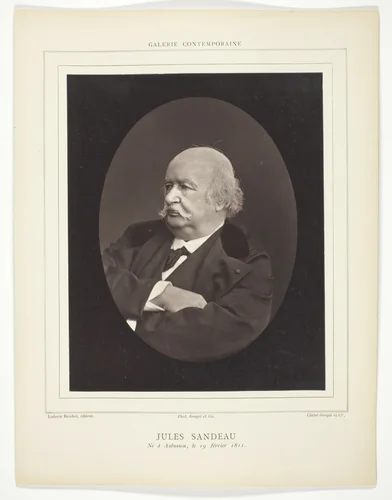
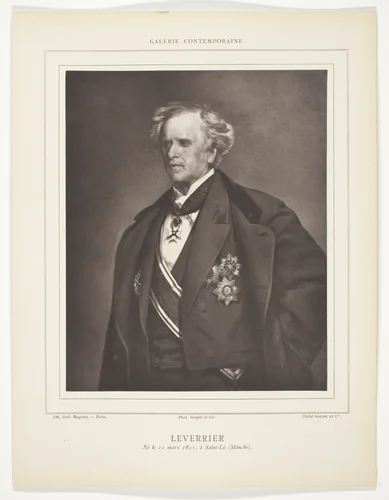
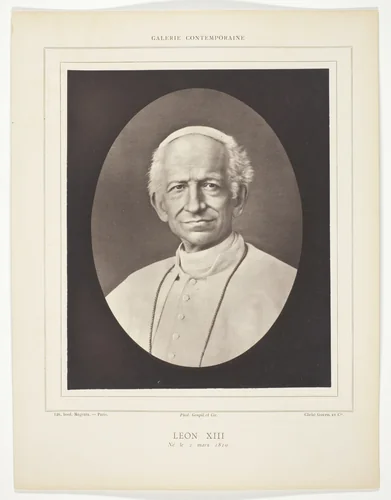
The core of Goupil’s lasting influence lies in its pioneering approach to the democratization of art. Moving decisively beyond the traditional practice of selling originals, the firm established a massive international trade in meticulous fine art reproductions, including both paintings and sculptures. This ambition required significant technological innovation. Instrumental to this vast expansion was Les Ateliers Photographiques, the specialized reproduction workshop established north of Paris, in Asnières, beginning in 1869. This facility ensured consistent, high-volume output, allowing Goupil to provide museum-quality imagery to a burgeoning middle-class audience worldwide. By mastering photomechanical processes, the firm made formerly inaccessible artworks available as high-quality prints.
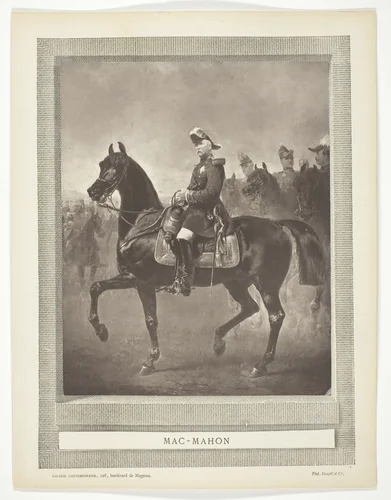
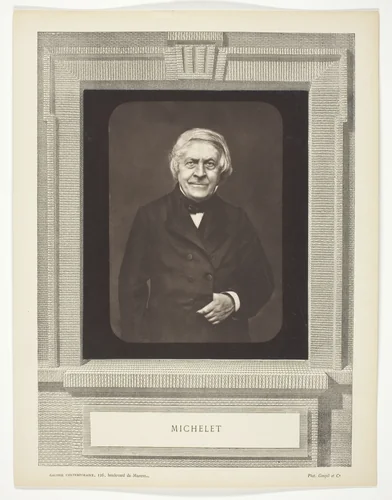
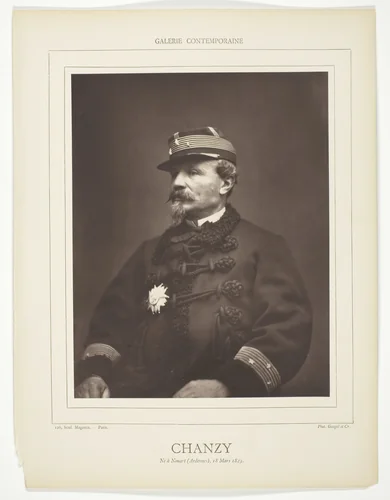
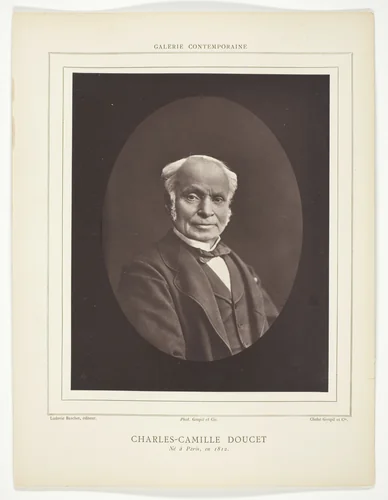
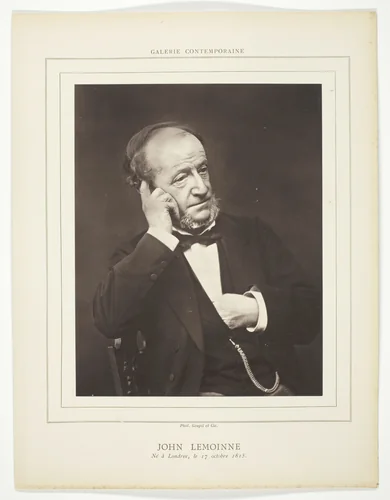
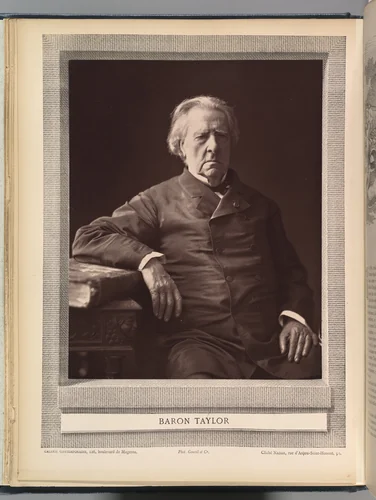
The active years between 1871 and 1876 provide a snapshot of the firm’s commitment to documenting contemporary prominence. Their output during this period included widely circulated photographic portraits of key political and intellectual figures of the Third Republic, such as Marshal Mac-Mahon, the esteemed historian Michelet, General Chanzy, Charles-Camille Doucet, and the influential journalist John Lemoinne.
The enduring success of the house was guided by Jean-Baptiste Adolphe Goupil (1806–1893), who cemented the firm’s position at the critical intersection of commerce and culture. It is a subtle measure of his centrality to the Parisian art scene that his daughter, Marie, ultimately married the renowned academic painter Jean-Léon Gérôme, fusing the most successful art dealer of the era with one of its most celebrated painters. Goupil et Cie’s revolutionary model created the commercial precedent for the mass circulation of images, shaping how the public encountered, acquired, and valued art well into the modern era.
Source: Wikipedia · CC BY-SA 4.0