Goodwin & Company
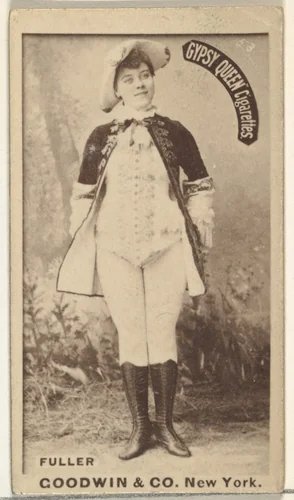
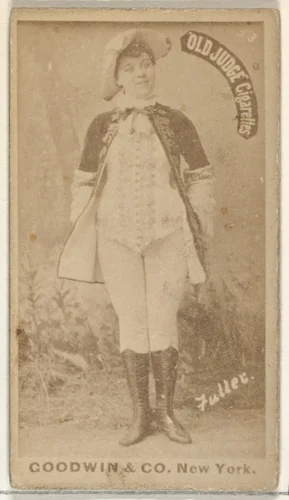
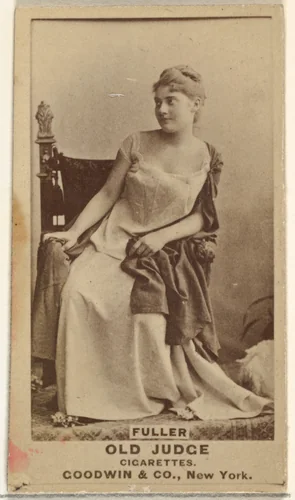
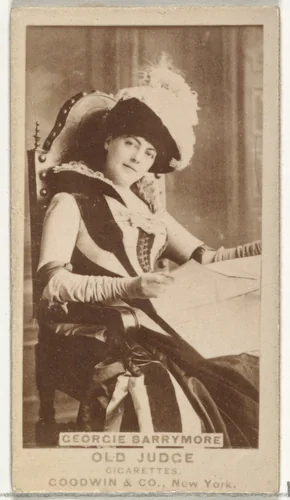
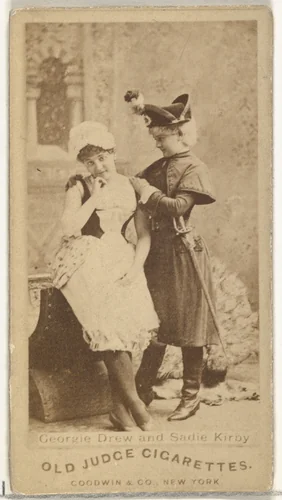
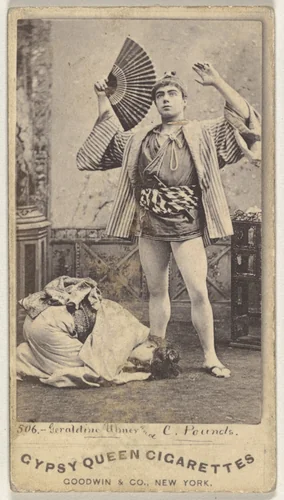
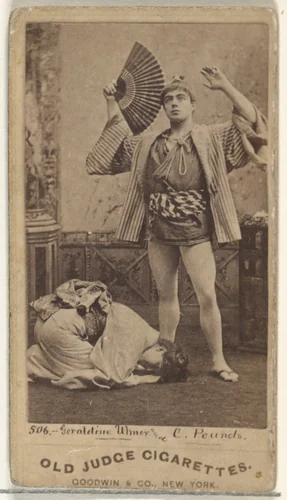
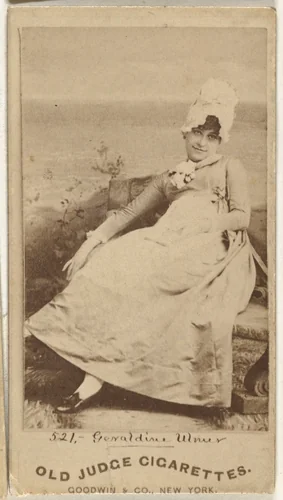
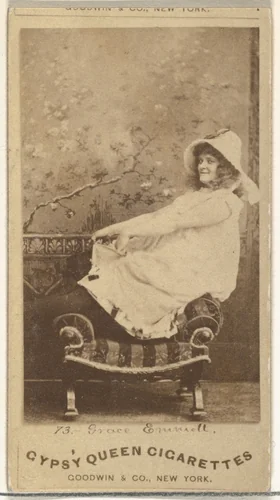
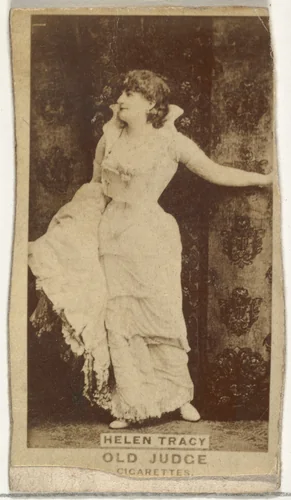
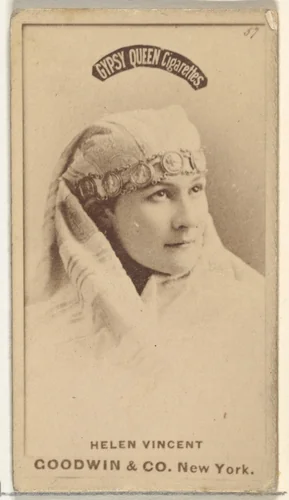
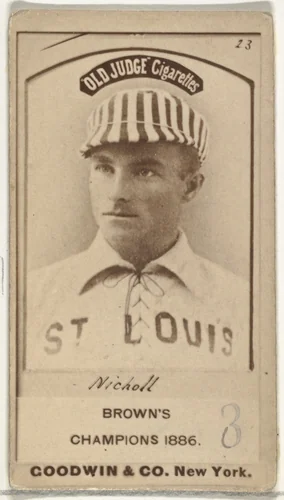
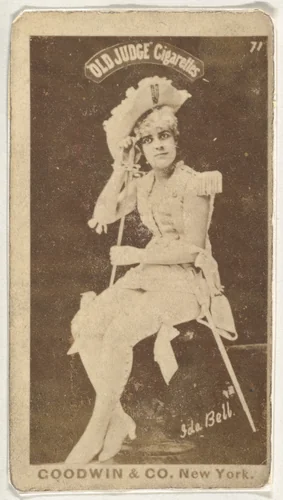
Goodwin & Company, originally founded as E. Goodwin and Brother before the American Civil War, was a formidable New York City tobacco manufacturer whose enduring contribution lies not merely in commerce, but in the history of American visual culture and mass-market printing. The firm was a critical innovator in commercial premiums, popularizing the use of collectible cabinet cards and early trading cards during the Gilded Age. These visual series were distributed primarily through their successful cigarette brands, "Gypsy Queen" and the significantly popular "Old Judge."
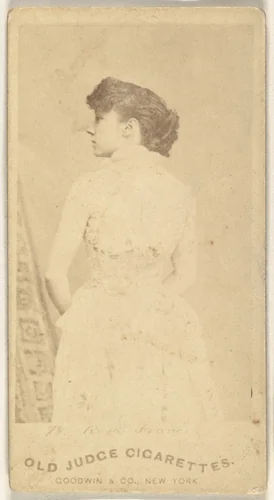
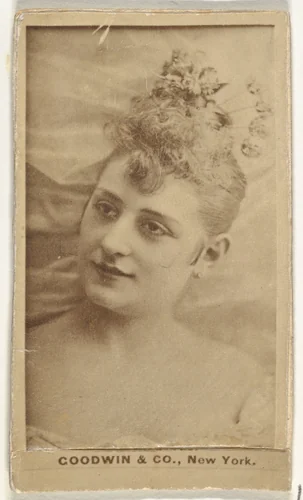
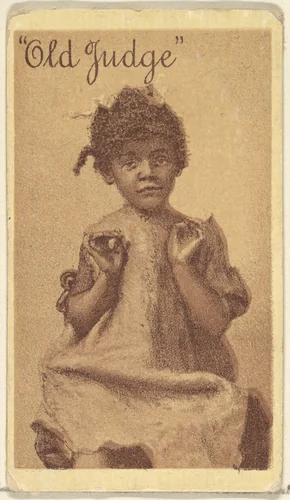
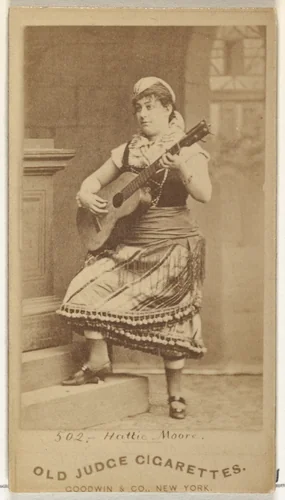
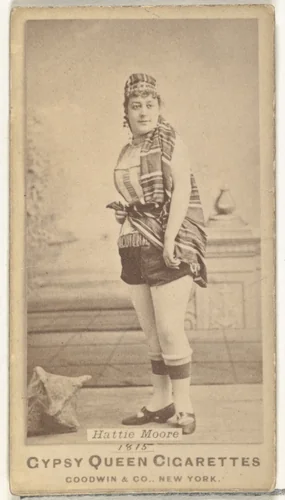
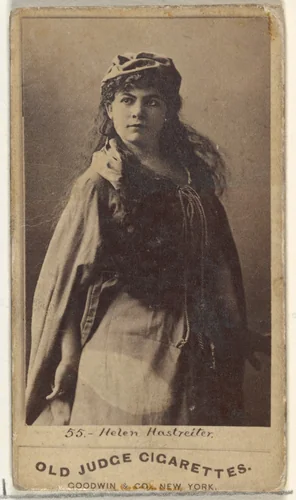
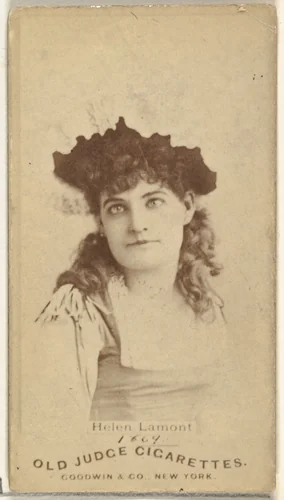
Active particularly around 1886, Goodwin & Company merged the burgeoning art of photography with advanced chromolithographic techniques to produce a substantial catalog of visual material. This output included approximately ten prints and five photographs now formally held in major institutional collections, including the Metropolitan Museum of Art. Their most recognized contribution is the comprehensive Actors and Actresses series (N171 and N167), issued as highly desirable inserts for Old Judge Cigarettes. Specific examples, such as the celebrated print Baby Mine and portraits of stage luminaries like Minnie Palmer and Vernona Jarbeau, chronicle the era’s voracious appetite for theatrical celebrity. The sheer volume of these portraits indicates that Goodwin was keenly aware that the public might forget its tobacco, but rarely forgot a beautiful face.
These early trade cards functioned as essential precursors to modern publicity and promotional materials, often requiring significant technical skill to reproduce photographic realism onto high-quality prints suitable for mass circulation. As such, these Goodwin & Company prints provide unique insight into the commercialization of portraiture in the late nineteenth century.
Goodwin & Company’s independent corporate history concluded in 1890 when it was absorbed, alongside four other major manufacturers, into James Buchanan Duke’s American Tobacco Company. This powerful consolidation established an overwhelming domestic monopoly over the retail and manufacture of tobacco products. Although the distinct brand ownership dissolved, the visual output of the company remains a robust archive. Today, many of these technically refined portraits are recognized as crucial artifacts of social history, frequently residing in the public domain and available as downloadable artwork for scholars and enthusiasts studying this vibrant period of American commercial art.
Source: Wikipedia · CC BY-SA 4.0