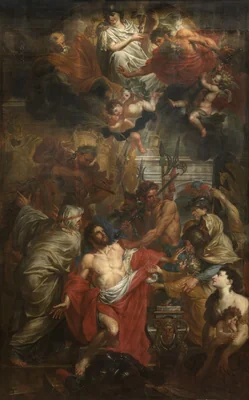
Godfried Maes
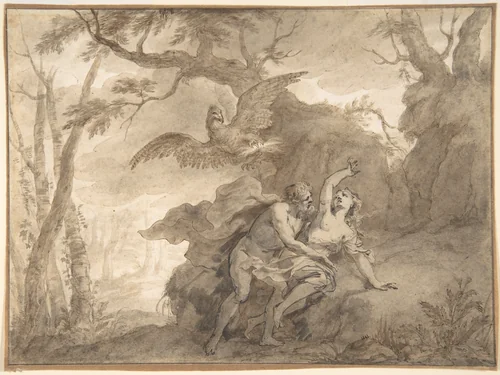
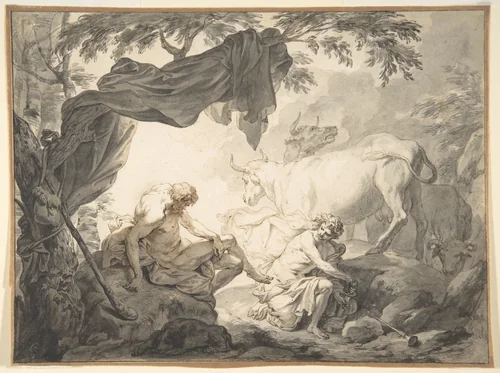
Godfried Maes was an influential Flemish artist and designer whose active career, spanning from 1659 to 1680, positioned him at the center of the Southern Netherlands’ decorative and ecclesiastical arts scene. Functioning effectively as a painter, draughtsman, and tapestry designer, Maes demonstrated a versatility demanded by the era’s most powerful patrons. While recognized for his devotional works, particularly altarpieces, his specialization in allegorical scenes and narrative design established his professional significance.
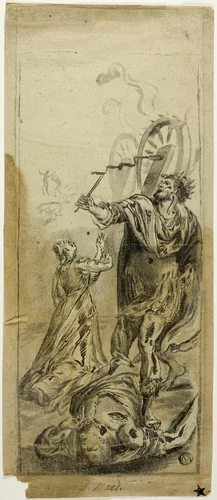
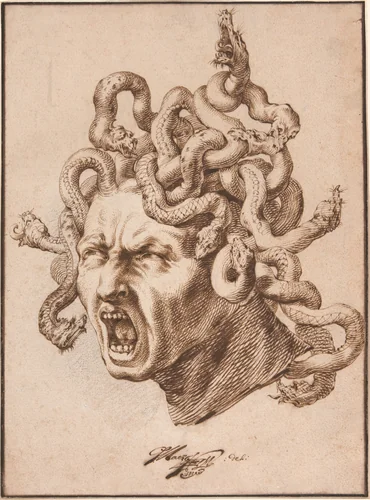
Maes was an extraordinarily prolific draughtsman, and it is through this graphic output that his meticulous planning and compositional strengths are most evident. His drawings, a minimum of twelve of which are known, were instrumental in servicing diverse commercial and decorative commissions. He provided designs for major tapestry workshops, ensuring their monumental wall hangings maintained narrative coherence, and created numerous illustrations for publishers. Furthermore, his ability to translate complex classical and allegorical themes into clear, adaptable formats made him a preferred choice for high-status house decorations.
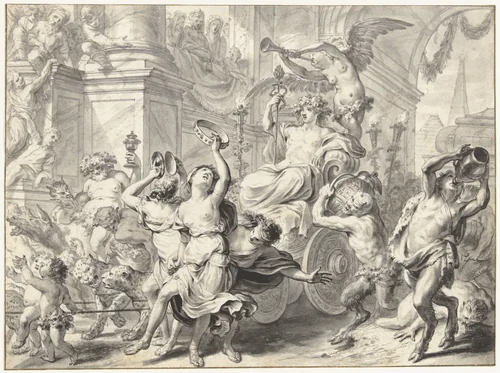
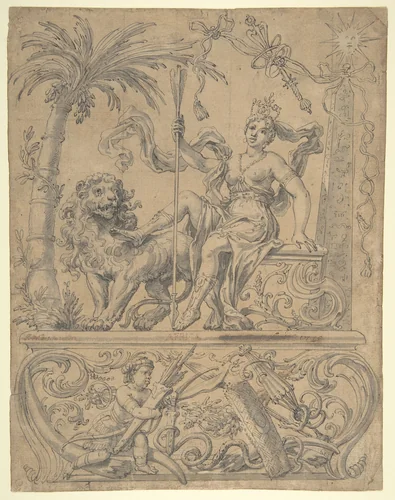
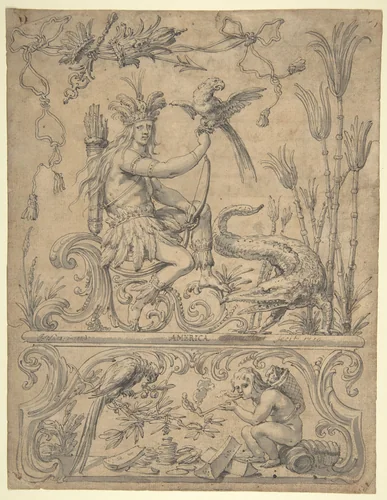
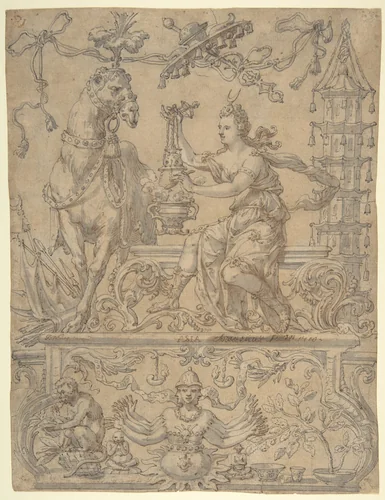
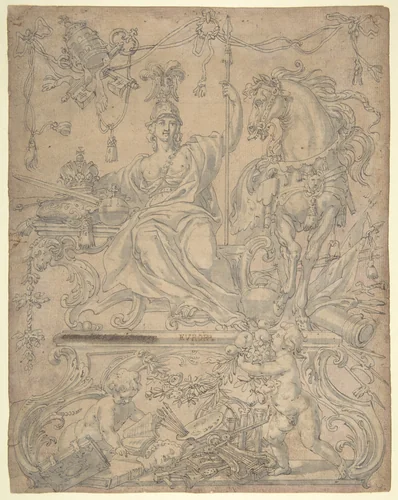
His graphic work often explored grand thematic cycles, such as the ambitious representations of the known world, including Allegory of Africa and Allegory of America, and the dynamic mythological study, Triomf van Bacchus. Maes possessed a remarkable ability to imbue these often dense narratives with a pleasing visual clarity, confirming that he was not only a master draftsman but also exceptionally adept at meeting the specific needs of his influential clientele.
The importance of Maes's contributions to late-seventeenth-century graphic arts is underscored by the continued presence of his studies in major international institutions, including the Rijksmuseum, the Metropolitan Museum of Art, and the Art Institute of Chicago. While we still study the development of Godfried Maes paintings, his preparatory drawings offer crucial insight into the artistic production methods of the time. Many of his works are now available in the public domain, allowing institutions and enthusiasts to access high-quality prints of these foundational studies.
Source: Wikipedia · CC BY-SA 4.0