Gladys Cook
Gladys Evelyn Taylor Cook (1855-1936) secured a distinct place in American art history through her precise contributions to the Index of American Design (IAD). A distinguished Canadian Dakota elder and activist, Cook provided invaluable primary documentation during a critical period of cultural preservation, rendering historical artifacts with exacting clarity. Known by her Dakota names Topah-hde-win and Wakan-maniwin, her profound cultural rootedness subtly informed the focused precision evident in her visual archiving.
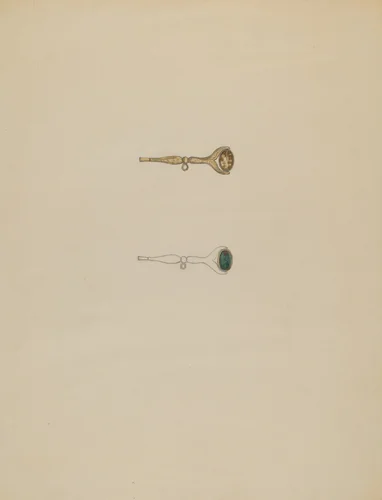
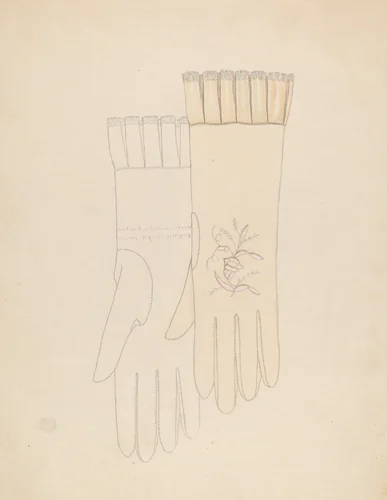
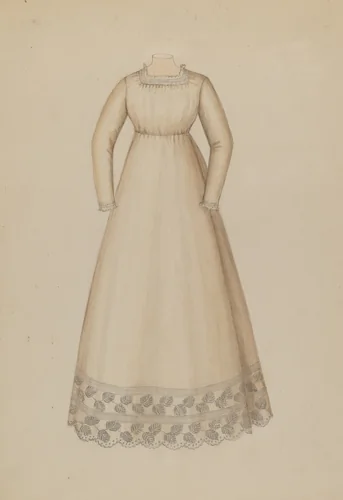
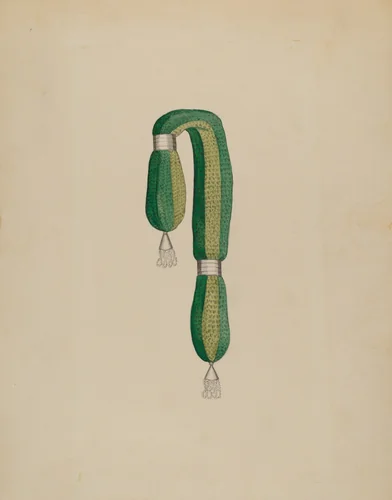
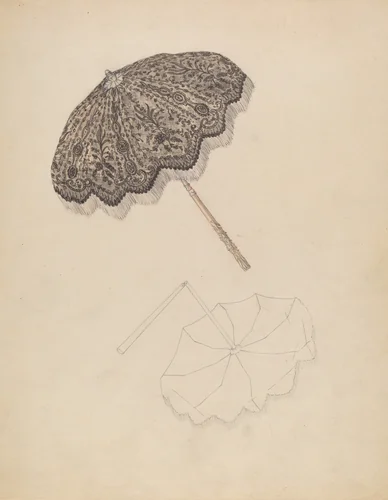
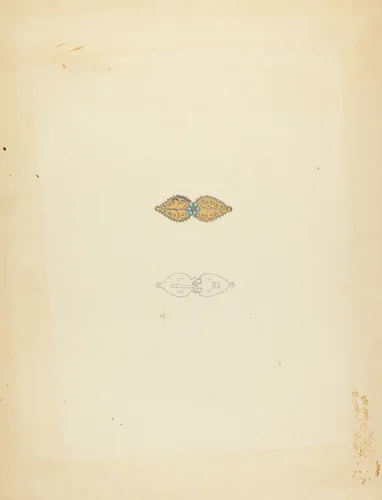
Cook’s fifteen entries in the Index reflect the ambitious scope of the IAD, a New Deal-era project dedicated to recording the history of American decorative and applied arts. Unlike standard art practice, the IAD demanded strict fidelity to the object, requiring artists to function as visual historians. Cook mastered this requirement, typically utilizing detailed gouache and watercolor to immortalize artifacts before their potential loss or disintegration.
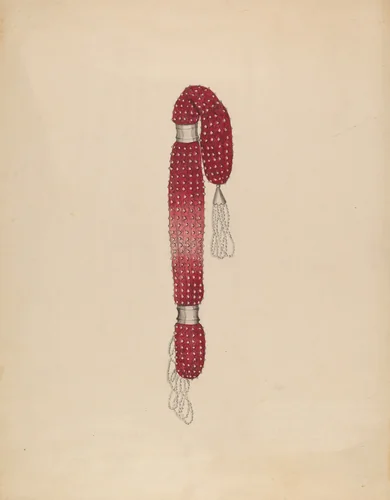
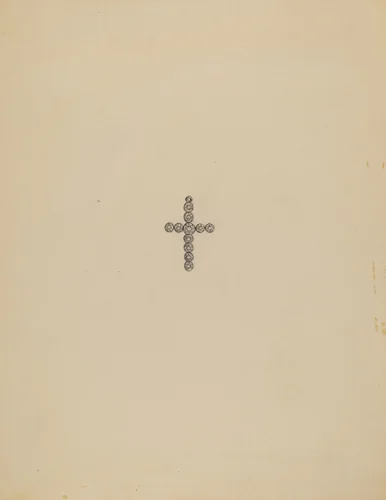
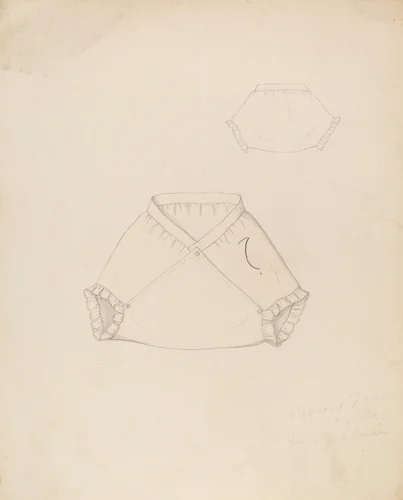
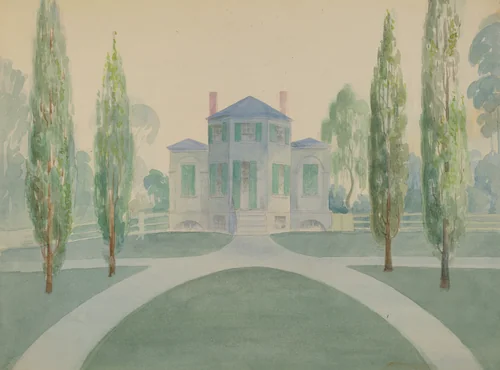
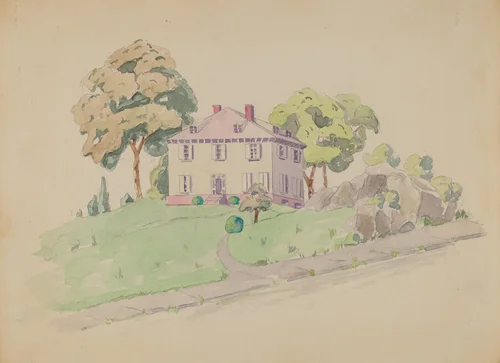
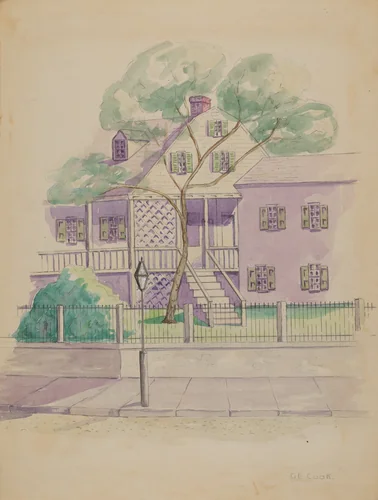
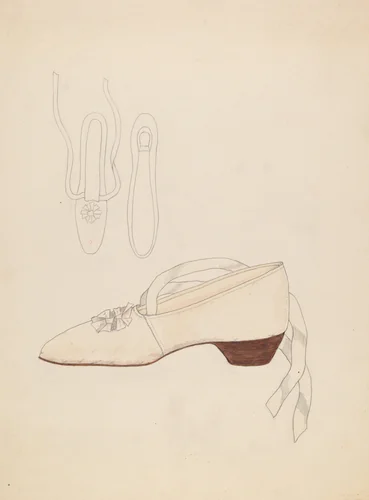
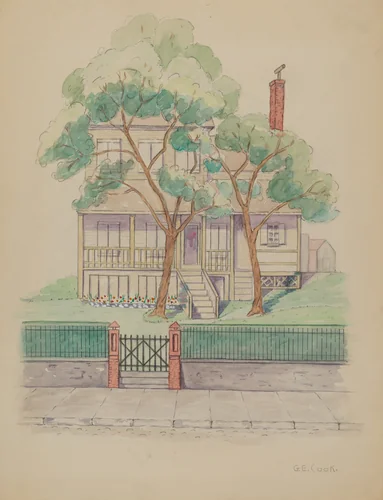
Her subjects, now held in the extensive collections of the National Gallery of Art, offer a compelling material record of 19th-century domesticity. Cook’s portfolio includes finely detailed textile studies such as the poignant Child's Handbag and the delicate Baby Shoe, alongside architectural renderings like the detailed elevation of the Brevoort Estate. Her technical skill allowed her to elevate functional items to the status of studied artifacts. One might note her specific, almost anthropological curiosity in the documentation of multiple bonnets, suggesting a keen eye for subtle variations in historical textile design.
Though her activist background was central to her life, Cook’s legacy rests upon this precise visual cataloging. The careful documentation she performed ensures that these records of early design, now often residing in the public domain, are accessible globally. Her work remains a standard reference for design historians, frequently utilized to produce museum-quality reproductions. Today, enthusiasts and researchers benefit from the availability of these historically significant documents, accessing high-quality prints and downloadable artwork that define the subtle elegance of early American craft.
Source: Wikipedia · CC BY-SA 4.0