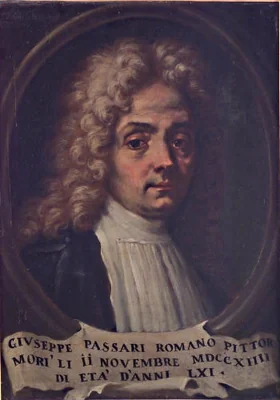
Giuseppe Passeri
Giuseppe Passeri holds a distinguished, if perhaps understated, position within the history of Roman painting, anchoring the transition from the mature Baroque into the nascent 18th century. Active for an extraordinary period between 1600 and 1703 in his native city, Passeri’s career was marked by exceptional longevity and an evolving stylistic approach that reflected the changing aesthetic demands of the capital.
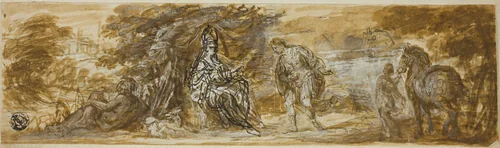
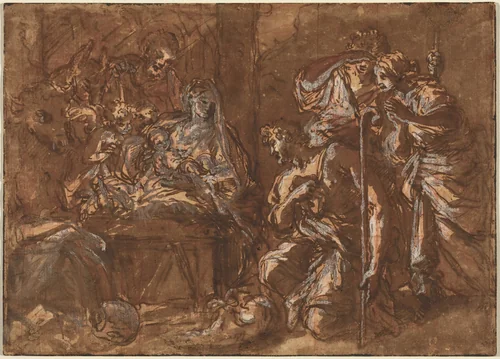
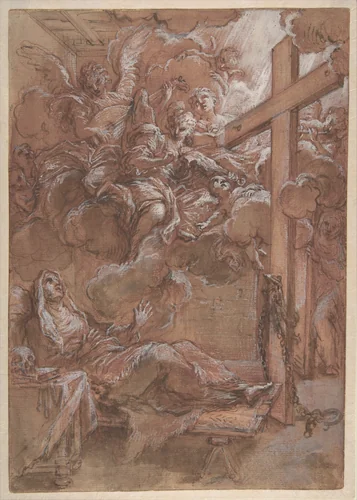
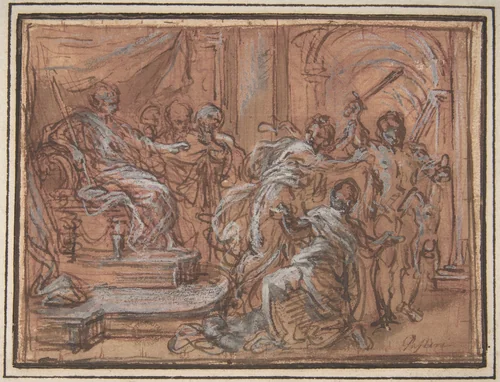
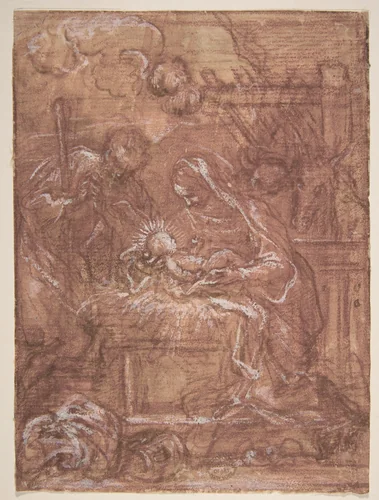
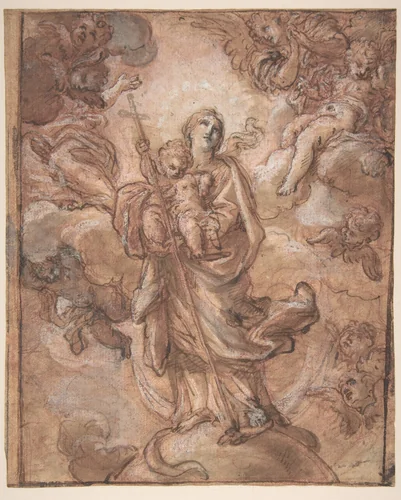
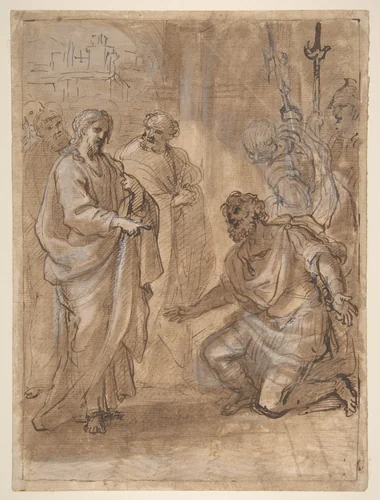
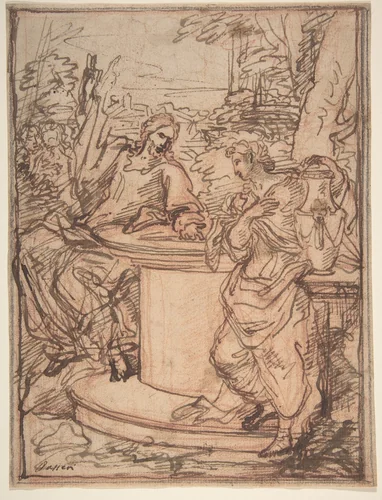
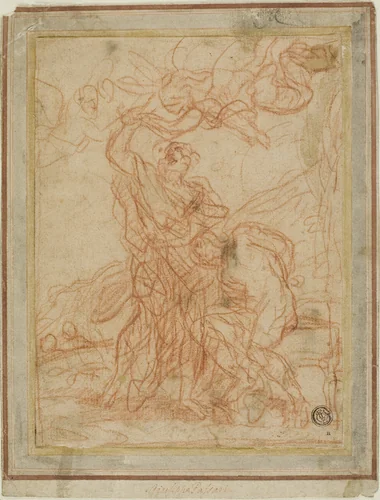
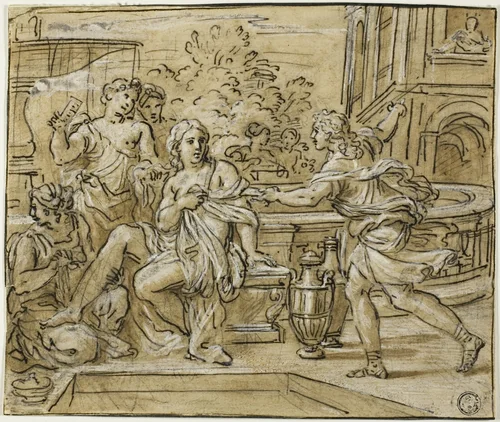
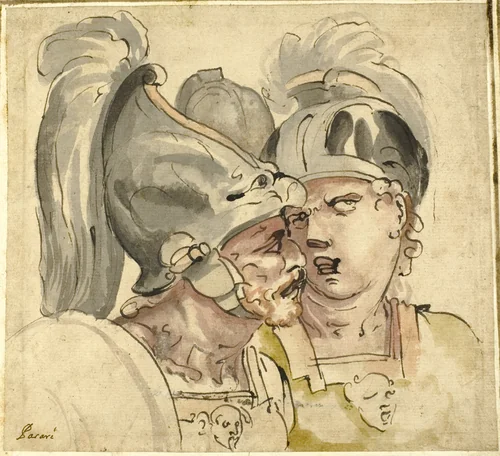
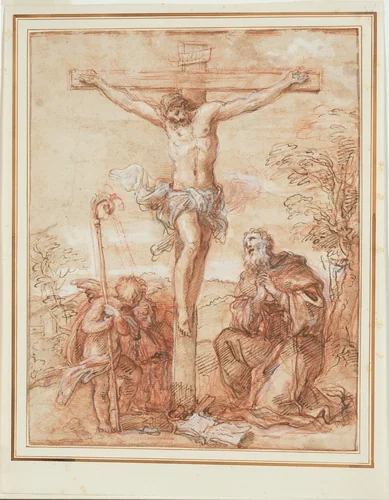
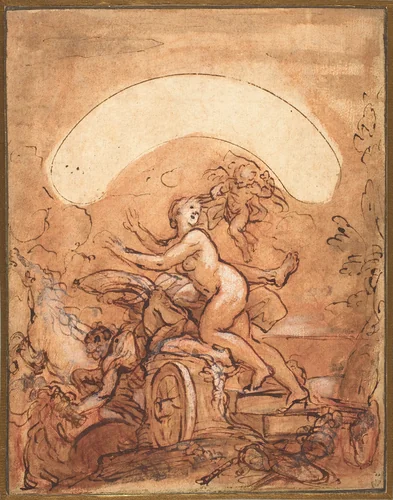
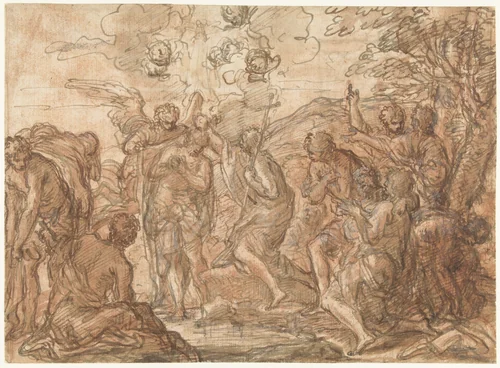
His work spanned complex narrative cycles for ecclesiastical patrons and rigorous civic allegories. Passeri was, above all, a master draftsman whose preparatory studies are critical evidence of his working method. These works demonstrate a keen eye for dramatic staging and human emotion, necessary for large-scale compositions such as The Judgment of Solomon or the devotional intensity evident in The Ecstacy of the Blessed Giacinta Marescotti. Religious themes dominated his output, including dynamic and detailed pieces like The Adoration of the Shepherds, but his range extended equally to humanist subjects. The drawing Military Hero Honoring Personification of Rome, for instance, reveals his facility with idealized classical figure studies and symbolic representation, a staple commission in the Eternal City.
Passeri’s enduring practice meant he moved beyond the high-intensity drama associated with the mid-17th century and helped define the lighter, more fluid sensibilities that anticipated the Rococo. The sustained quality of his output over many decades is remarkable; one might observe that he simply refused to retire, maintaining a consistent and active hand throughout an entire century of stylistic change.
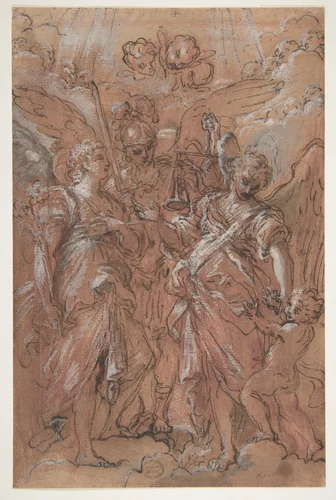
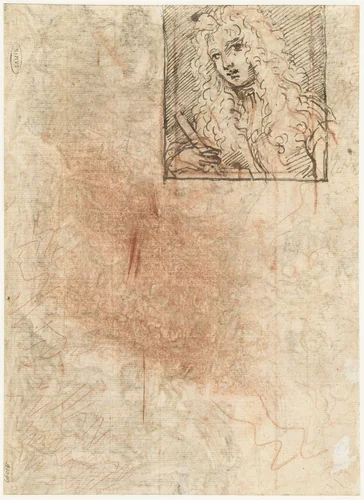
Although sometimes overshadowed by the preceding generation of Baroque masters, the significance of Giuseppe Passeri paintings and drawings is confirmed by their inclusion in major international collections, including the Rijksmuseum and the National Gallery of Art. These museum-quality works guarantee his legacy as a central, stabilizing figure in Roman artistic development. For scholars and the public alike, many of his finest graphic works have passed into the public domain, making high-quality prints accessible for close academic study or personal appreciation. His sketches, such as The Archangels Gabriel, Michael and Raphael (recto), continue to serve as essential reference points for understanding Roman drawing traditions.
Source: Wikipedia · CC BY-SA 4.0