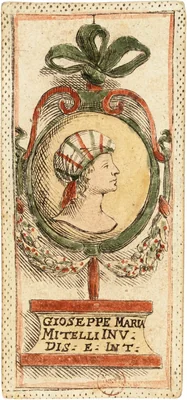
Giuseppe Maria Mitelli
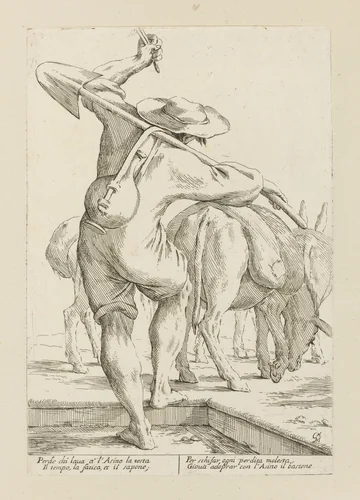
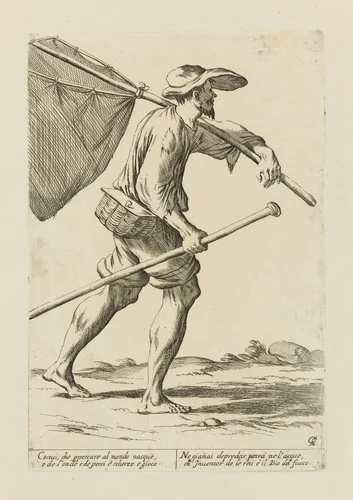
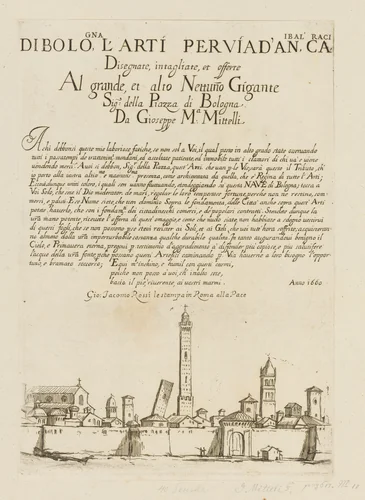
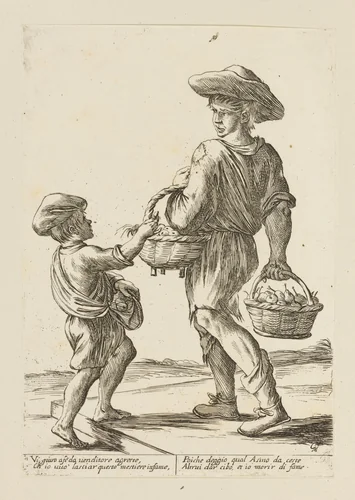
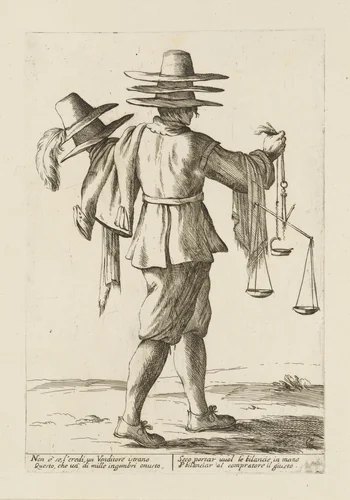
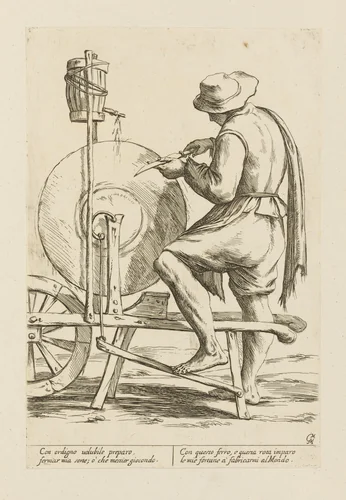
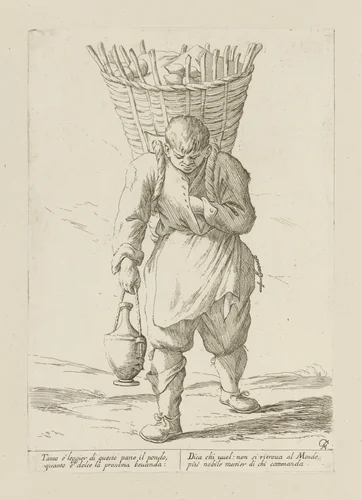
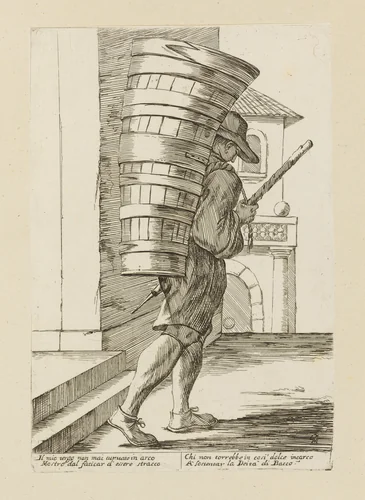
Giuseppe Maria Mitelli (1634–1718) was a singular figure in Italian printmaking during the high Baroque period. While born the son of the renowned quadratura specialist Agostino Mitelli, Giuseppe Maria carved out a distinct artistic path, dedicating his prodigious talent primarily to the copper plate rather than illusionistic painting. This focus positioned him as a master draftsman and engraver whose output was as wide-ranging in subject matter as it was technically accomplished.
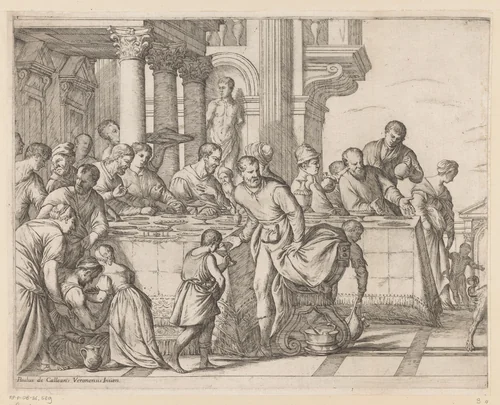
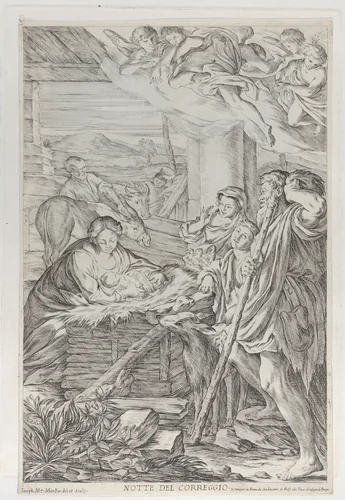
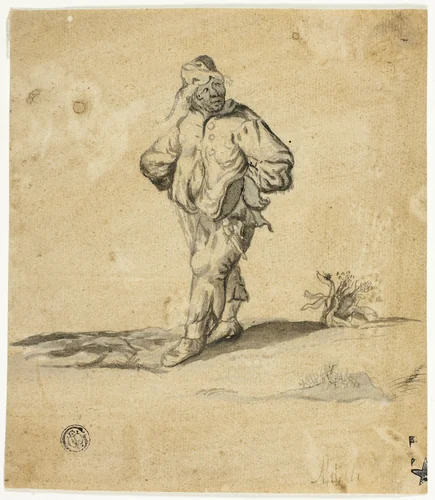
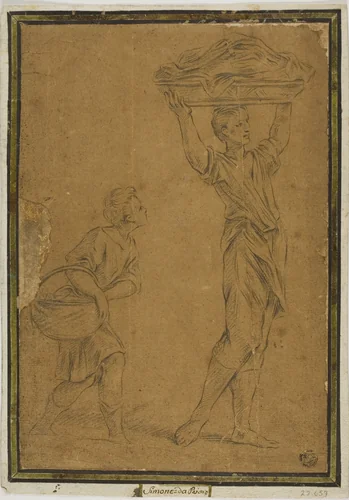
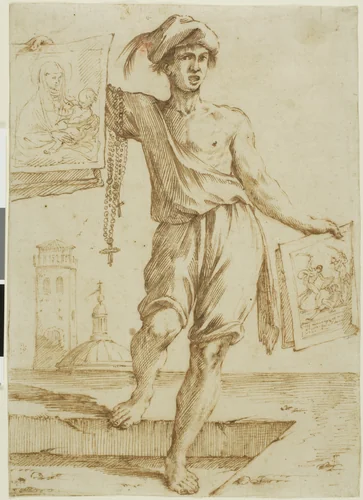
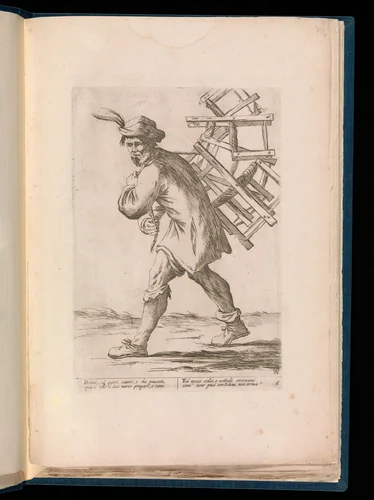
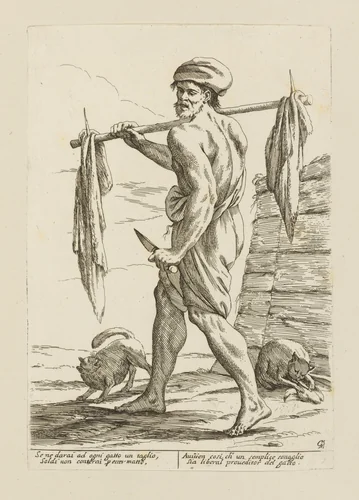
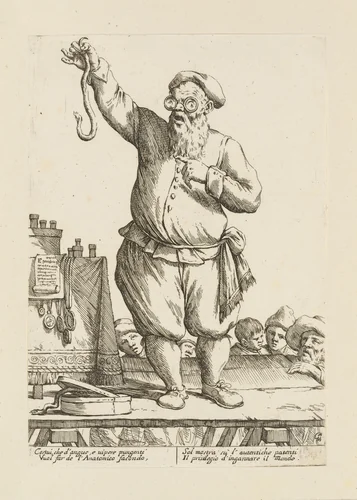
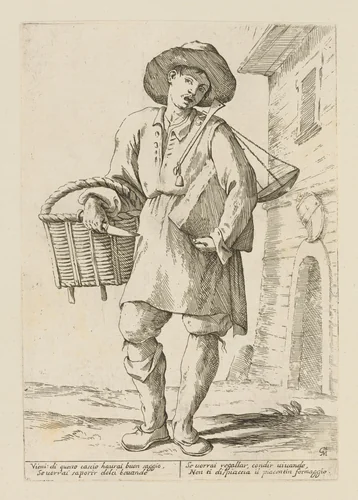
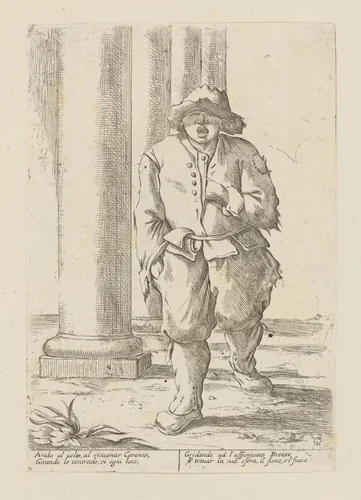
Mitelli’s significance rests on the sheer volume and astonishing variety of his oeuvre. His commissions ranged from grand historical and religious narratives, exemplified by works like Christus aan de maaltijd in het huis van Simon de Farizeeër (linker blad) and Adoration of the Shepherds, to the utterly mundane. He was highly successful in the commercial market, designing complex, richly detailed page boards for games of chance involving dice, Tarot cards, and inventive educational materials, including an Iconophor featuring anthropomorphized alphabets. This ability to traverse the spectrum from the sacred epic to popular culture underscores his unique contribution to 17th-century visual media, making his original works highly sought after and accessible today as high-quality prints.
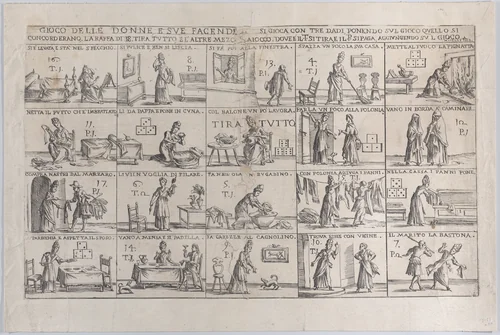
A defining characteristic of Mitelli's genre scenes is his inventive and often unsettling wit. Beyond standard allegories and moralistic narratives, he produced satirical cartoons that could be interpreted as provocatively subversive. Prints such as Gioco Delle Donne, E Sue Facende (Game of Wives, And Their Chores) capture contemporary customs, yet often with an edge that challenges decorum.
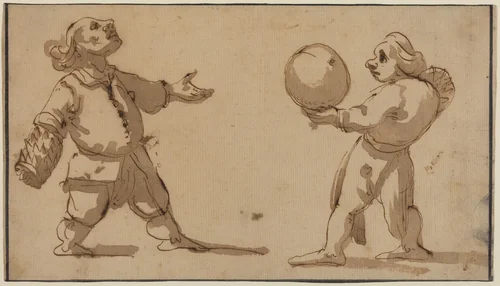
His most peculiar and fascinating specialty involved the depiction of dwarfs engaged in buffoonery or visual interpretations of aphorisms. This consistent focus on the diminutive, satirically rendered figure closely aligns Mitelli with the arte pigmeo tradition and the Bambocciate di nani later cultivated by artists like Faustino Bocchi. This engagement with the absurd and the physically disproportionate lends many of his museum-quality prints an unexpectedly subversive energy, demonstrating that Mitelli, for all his Baroque grounding, possessed a distinctly modern talent for visual satire. Mitelli’s prolific output ensures his works remain essential resources for art historians, with much of his material available for royalty-free access through major collection databases.
Source: Wikipedia · CC BY-SA 4.0