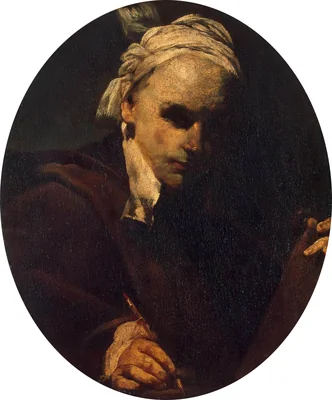
Giuseppe Maria Crespi
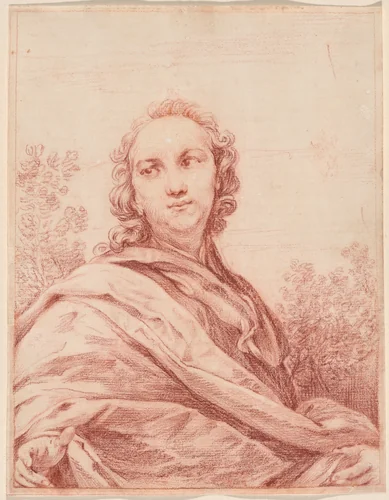
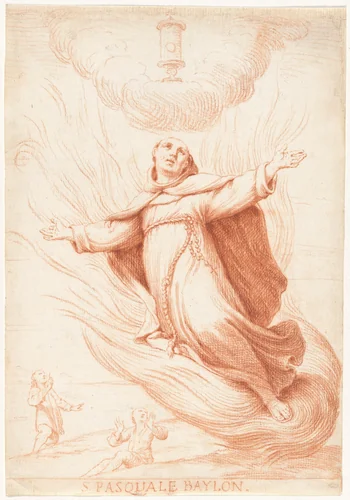
Giuseppe Maria Crespi (1665-1747), known by the evocative moniker Lo Spagnuolo, was a cornerstone figure of the Italian Late Baroque, anchoring the influential Bolognese School during a period of significant transition. His reputation rests on a body of work that is remarkably expansive, ranging from solemn religious commissions and formal court portraiture to the intimate, observational genre scenes for which he ultimately earned lasting renown.
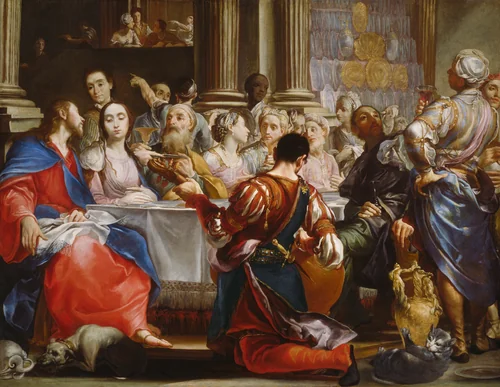
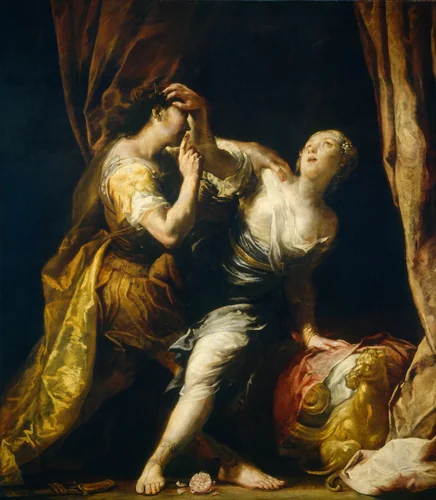
Crespi’s style frequently defied the idealized classicism favored by some of his Bolognese peers. Instead, he embraced a profound naturalism characterized by robust figures, expressive poses, and deep, dramatic chiaroscuro. This technique earned him his nickname, linking his visual intensity to the dramatic realism of 17th-century Spanish masters like Ribera. Crespi was instrumental in elevating genre subjects within the Italian artistic hierarchy, granting common, daily occurrences the seriousness previously reserved for historical narratives.
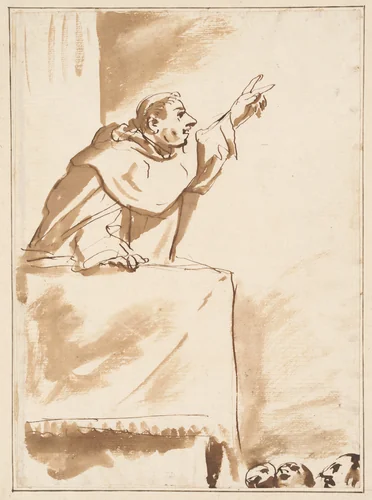
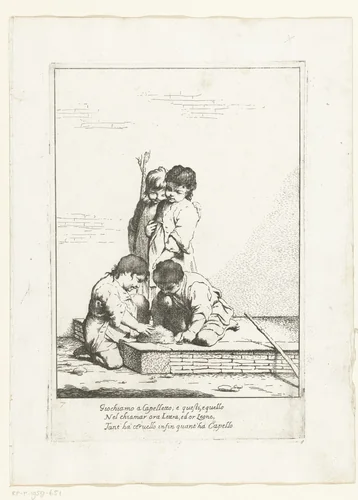
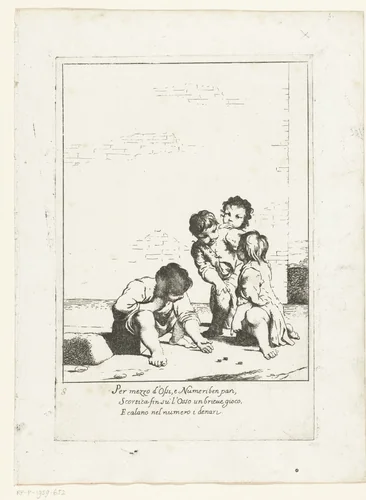
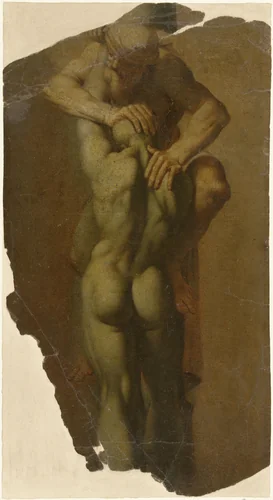
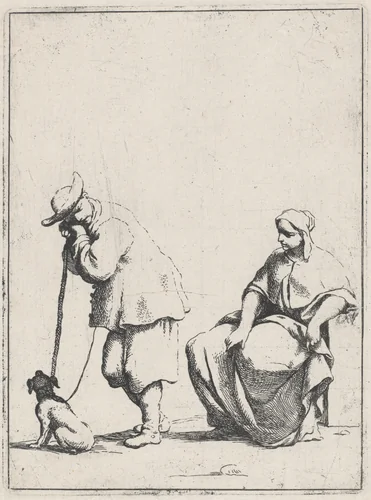
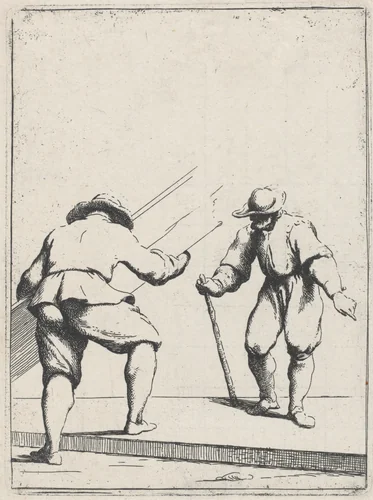
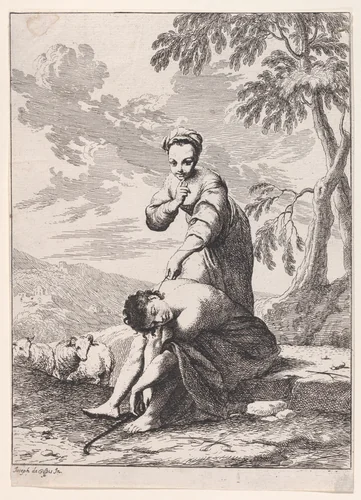
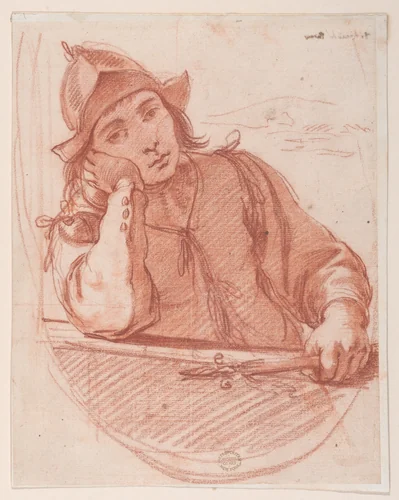
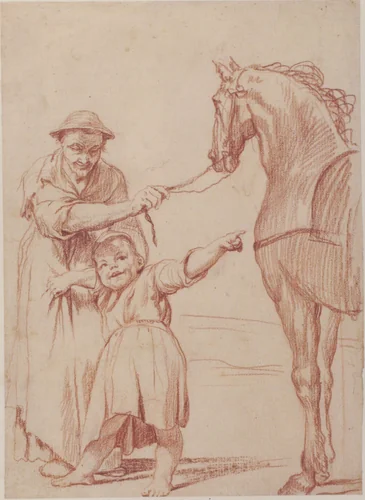
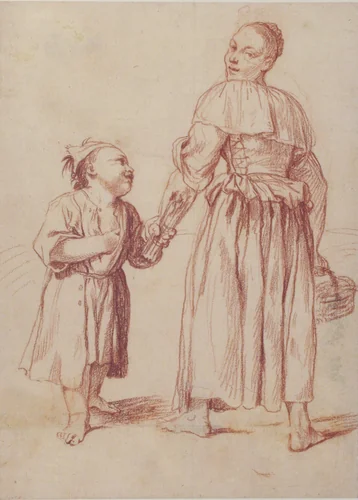
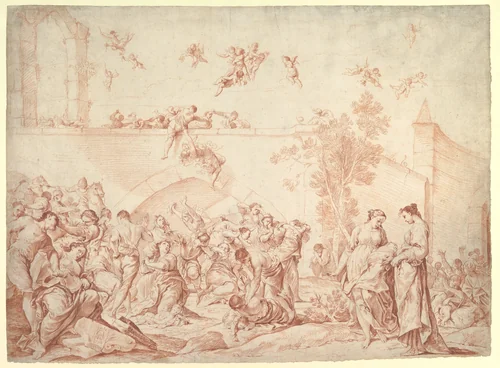
The depth of his artistic inquiry is visible across media, from preliminary drawings, such as the focused study Young Peasant Seated on the Ground [recto], to complex narrative compositions. The artist possessed a keen, often wry, observation of daily life, which surfaces vividly in satirical cycles documenting human interactions and folly. Works like Marcolfa Persuades Cacasenno to Mount a Horse and Menghina Coming from the Garden Meets Cacasenno transform humble provincial characters into figures of gentle social comedy, illustrating the artist’s sharp understanding of theatrical human nature. Yet, Crespi was equally capable of producing powerful historical drama, exemplified by the somber and kinetic composition The Massacre of the Innocents.
Today, Crespi’s significance is maintained through major collections globally, including those housed at the Art Institute of Chicago, the Rijksmuseum, and the Metropolitan Museum of Art. These institutions provide critical access to his Giuseppe Maria Crespi prints and paintings. Scholars and the public can readily engage with his legacy, as numerous drawings and studies are now considered part of the public domain. This continued availability of high-quality prints and downloadable artwork secures Crespi’s place not merely as a transitional figure, but as one of the most intellectually curious and stylistically innovative painters working at the dawn of the 18th century.
Source: Wikipedia · CC BY-SA 4.0
![Young Peasant Seated on the Ground [recto] by Giuseppe Maria Crespi, drawing, 1665-1747](https://img.artbee.org/00f666d9-f61a-4e5f-ac2f-c17c275a85be/small.webp)