Giuseppe Longhi
Giuseppe Maria Longhi (1776-1825) holds a firm place among the most rigorous Italian artists practicing during the zenith of the Neo-Classical movement. Active primarily in Milan, Longhi established a distinguished career characterized by a rare duality, working with equal authority both as a painter and as a prolific engraver. This technical versatility allowed him to disseminate the period's idealized aesthetic principles widely, ensuring the formal clarity and historical seriousness favored by the early nineteenth-century European academies found a broad audience.
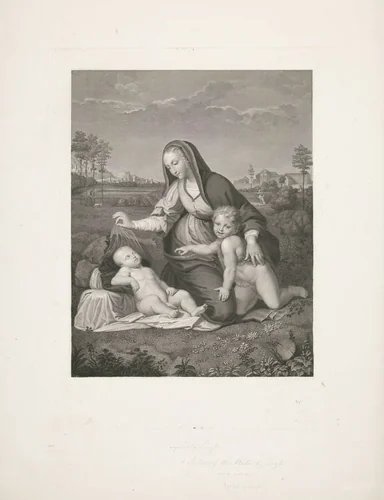
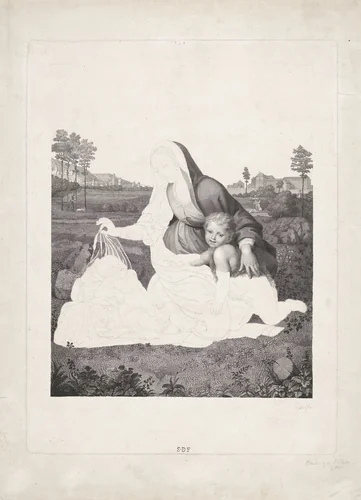
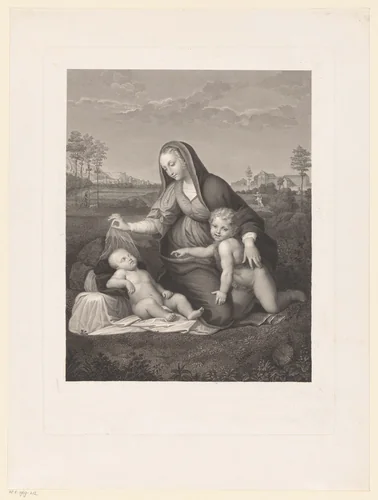
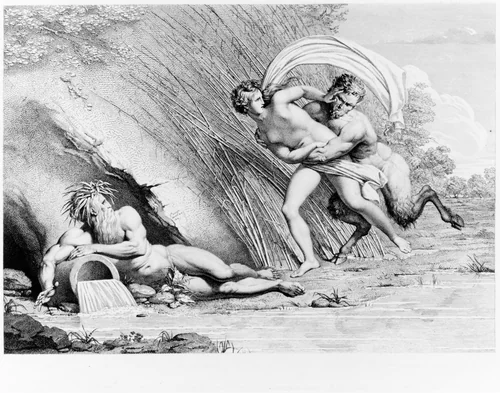
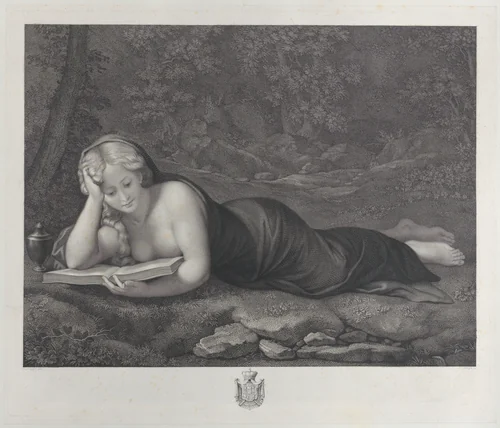
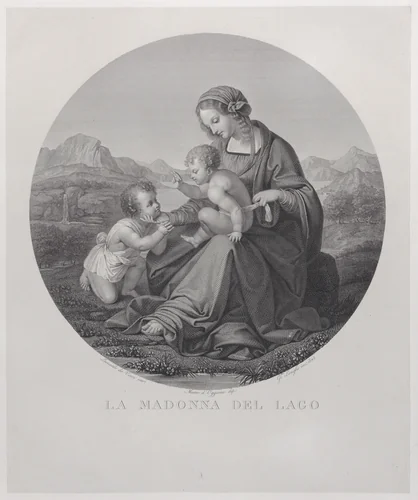
While his painted work exhibited the grand manner typical of the age, Longhi’s dedication to engraving ensured the highest possible technical standards for the reproduction and circulation of complex imagery. His expertise spanned genres, but he demonstrated a particular command of religious subjects and intimate portraiture. His recurring exploration of Christian iconography is exemplified by the series of prints titled, perhaps inevitably, Maria met Kind en de jonge Johannes de Doper in een landschap. Yet, he was equally adept at classical narrative, as seen in the mythological rendering of Pan and Syrinx.
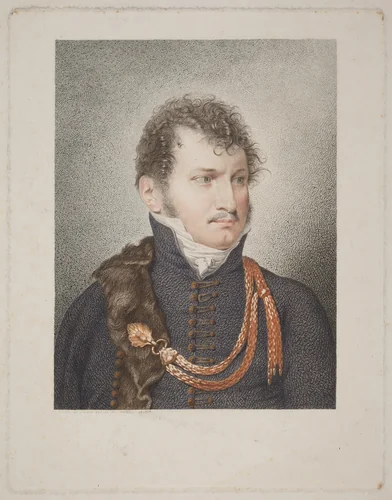
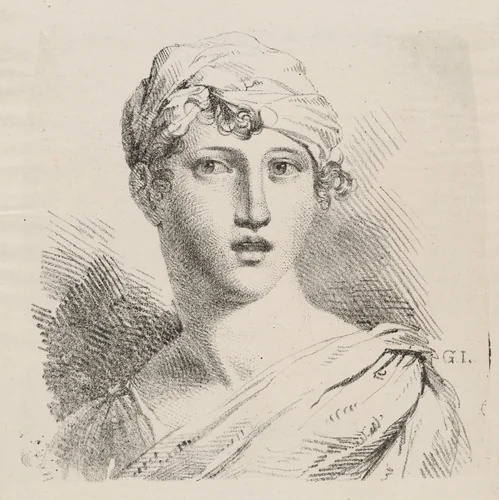
His graphic work is consistently recognized for its clean lines, dramatic tonal contrasts, and meticulous detail, defining the precise, polished surface demanded by the Neo-Classical taste. Longhi excelled in translating the visions of his contemporaries and predecessors, a process that demanded not only fidelity but also a profound understanding of light and shadow unique to the print medium. Consequently, many of these Giuseppe Longhi prints are now considered cultural benchmarks of the era and are available globally as downloadable artwork, ensuring that the legacy of his precise draftsmanship remains easily accessible to contemporary study.
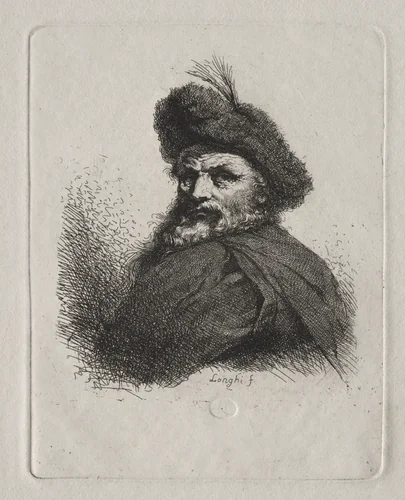
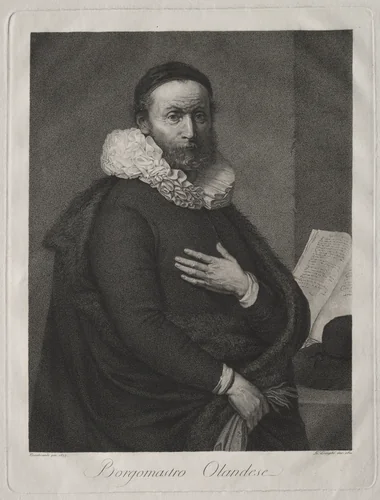
Interestingly, despite his dedication to elevated religious and mythological themes, Longhi possessed a strong observational ability, particularly visible in detailed character studies like the print Bust of a Man with a Fur Cap. This piece reminds the viewer that even the most dedicated Classicist often harbored a keen eye for the individual texture and humanity found in the everyday. His mastery has ensured his continued presence in major repositories; works by Longhi are held in renowned institutions including the Metropolitan Museum of Art, the Rijksmuseum, and the National Gallery of Art, confirming his stature as a pivotal figure whose museum-quality output defined the academic style of his era.
Source: Wikipedia · CC BY-SA 4.0