Giuseppe Grisoni
Giuseppe Pierre Joseph Grisoni, sometimes identified in period texts as Grifoni or Grison, was an important and unusually versatile figure in early eighteenth-century Italian art. Active by 1719, the Florentine-trained artist maintained an ambitious dual practice, specializing as both a painter and a sculptor. While historical canvases and grand landscapes initially secured his reputation, Grisoni demonstrated a stylistic fluidity essential for his survival in the competitive art market, allowing him to navigate easily between monumental public commissions and intricate works intended for private contemplation. His ability to capture both narrative sweep and exquisite detail defined his significant contribution to the merging late Baroque and nascent Rococo aesthetics.
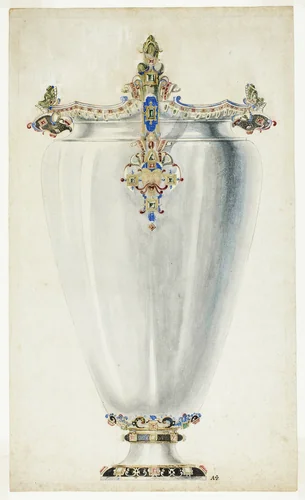
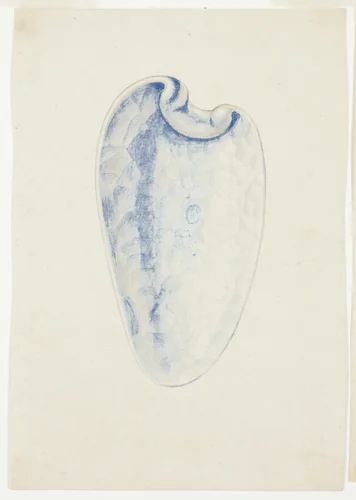
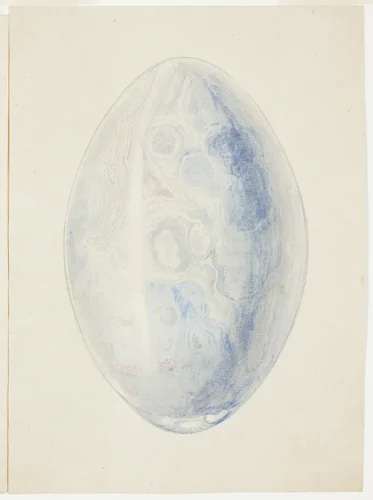
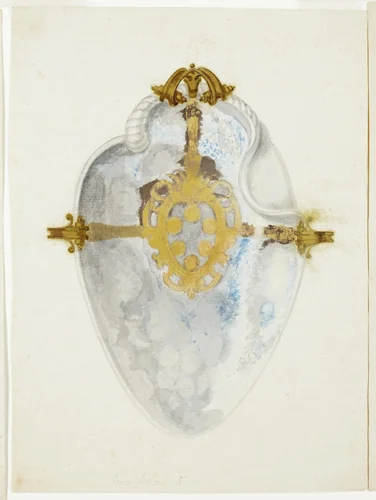
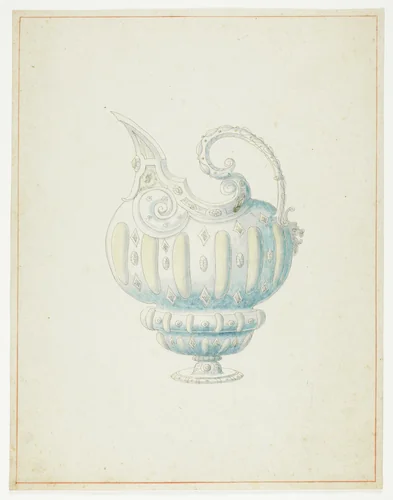
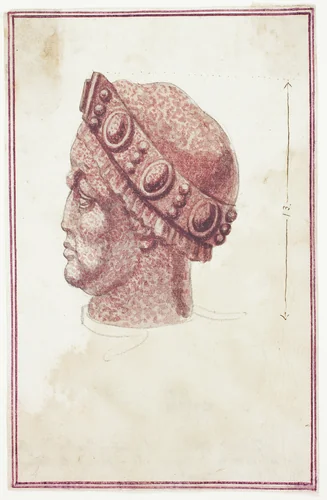
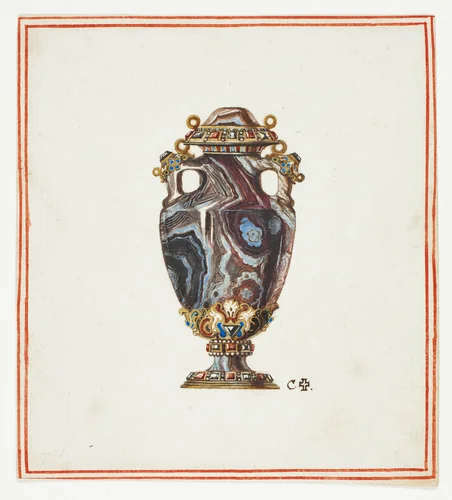
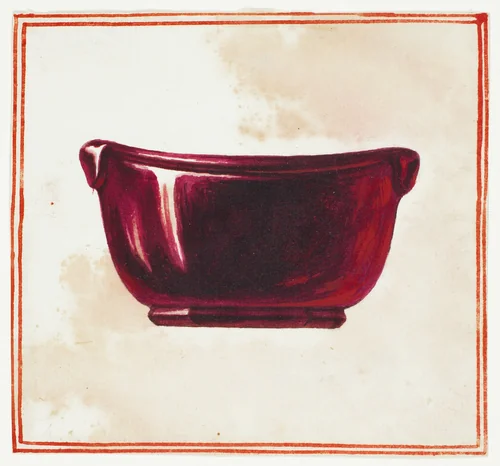
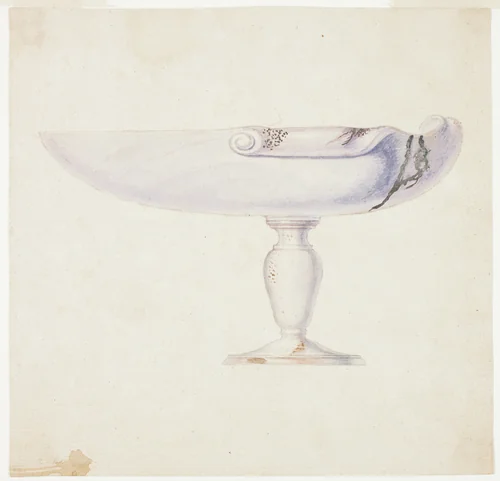
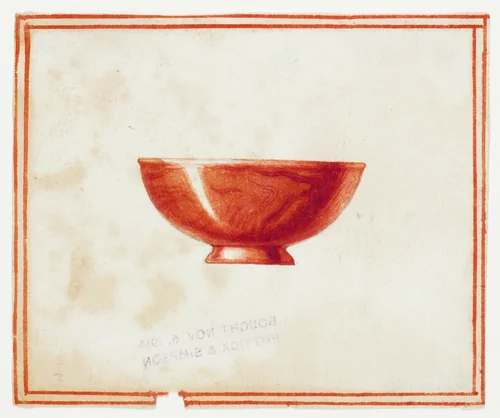
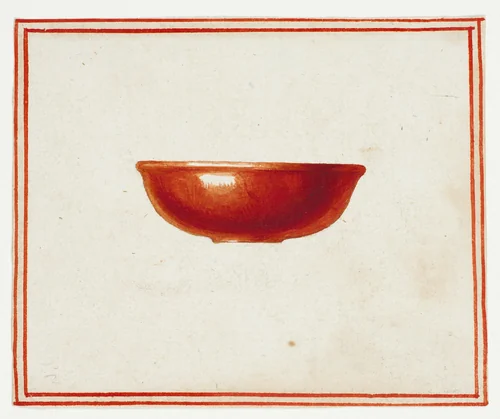
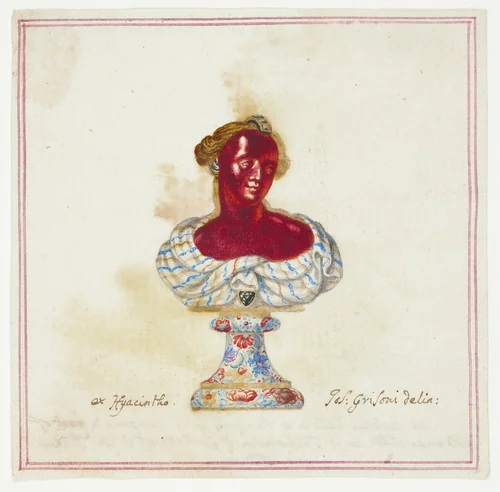
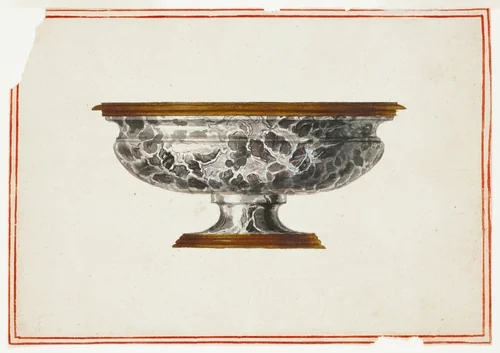
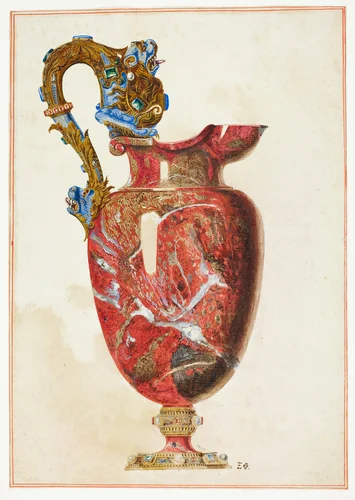
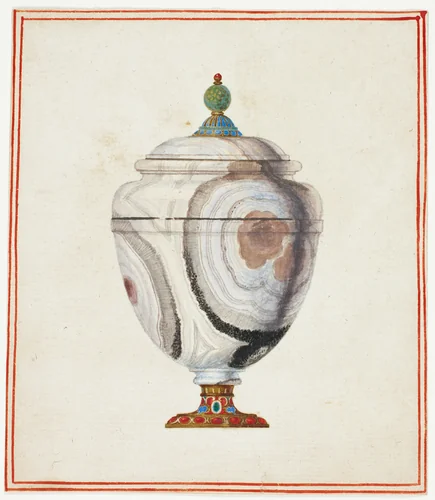
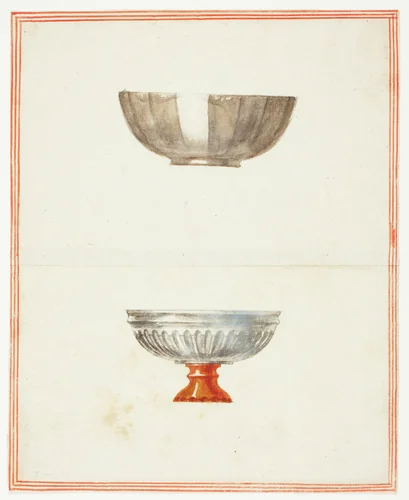
Though large-scale historical paintings commanded the greatest prestige during his career, Grisoni’s most unique technical contributions often appeared in his focused studies of classical artifacts. Works like the Agate Head of Cleopatra and the highly detailed studies of exotic vessels such as the Aquamarine Urn reveal a precise, almost clinical commitment to rendering texture and reflective light. These cabinet paintings, often highly sought after by collectors interested in the Grand Tour aesthetic, showcase Grisoni’s sophisticated mastery of trompe l'oeil, transforming inert objects into dynamic focal points. It is worth noting that while many contemporaries were preoccupied with depicting high drama, Grisoni’s intimate portraits of ancient gems remind us that the truly eternal subjects often fit neatly on a pedestal.
Grisoni’s surviving output, encompassing at least fifteen known paintings, secured his position within the network of high-profile commissions across Italy. Today, his legacy is maintained in major international institutions; significant examples of Giuseppe Grisoni paintings are housed in prestigious collections, notably the holdings of the Art Institute of Chicago. The exacting detail and museum-quality finish of many of his works ensure their continued relevance for both academic study and public appreciation. Because many of these historic images have subsequently entered the public domain, art enthusiasts can now easily access high-quality prints and royalty-free images of Grisoni’s distinctive output, ensuring that this technically gifted master of the brush remains visible to contemporary audiences worldwide.
Source: Wikipedia · CC BY-SA 4.0