Giuseppe de Nittis
Giuseppe De Nittis stands as a paramount figure in 19th-century Italian painting. Operating across the major cultural centers of Naples and Paris, he developed a distinctive and highly successful artistic approach that skillfully merged the polished precision of academic Salon art with the emerging optical techniques and spontaneity of Impressionism. This unique synthesis made him one of the most commercially and critically significant artists of his era, appealing both to conservative collectors seeking refinement and to avant-garde circles appreciating innovation in light and color.
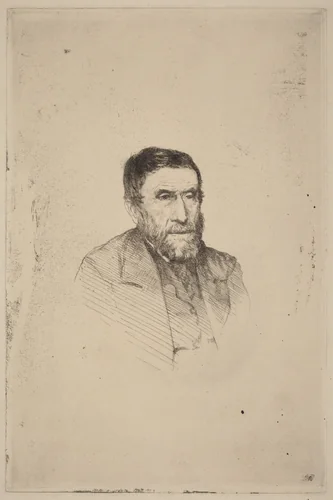
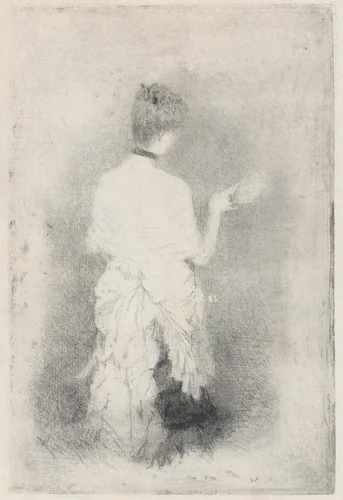
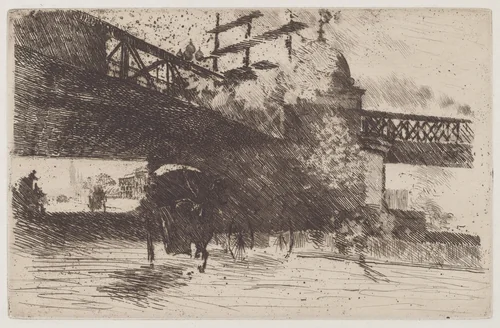
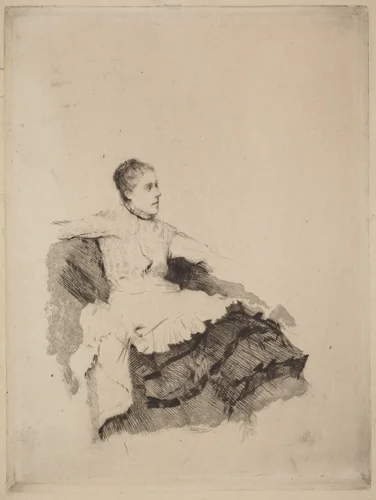
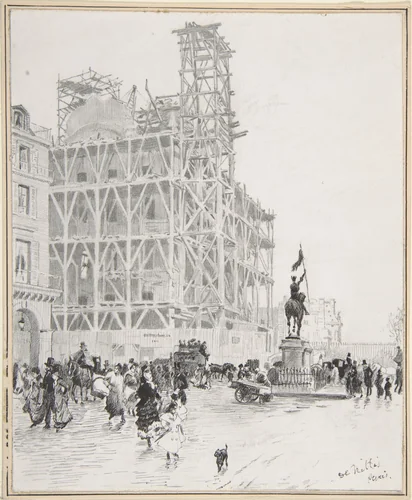
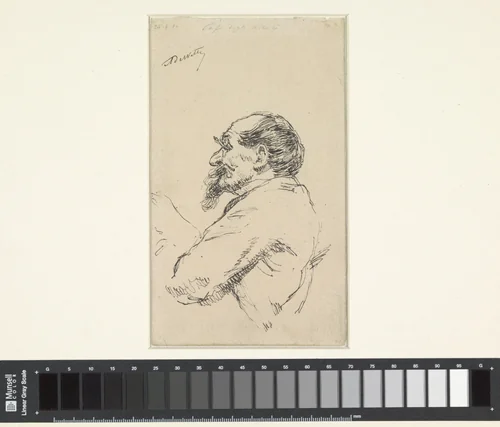
Unlike many of his Parisian contemporaries who rigidly rejected the traditional systems of the Salon, De Nittis maintained a sophisticated dual citizenship between worlds. His technique consistently balanced rigorous draftsmanship, evident in intimate studies like Portrait of a Man and the delicate observation in Elegant Young Woman Seen from Behind, with a remarkable sensitivity to ephemeral light effects. He possessed an uncanny ability to translate the rapid, shifting atmosphere of the modern metropolis, notably captured in cityscapes such as View Taken in London (Vue prise á Londres). It is perhaps an understated observation that few European artists managed to move between the structured demands of high society portraiture and the quick sketch of street life with such consistent mastery.
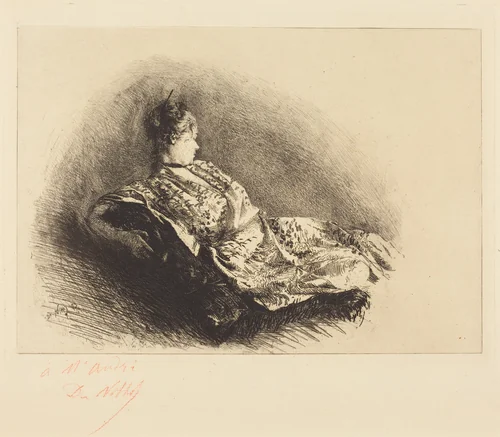
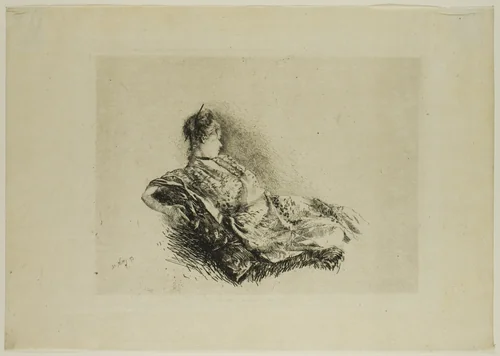
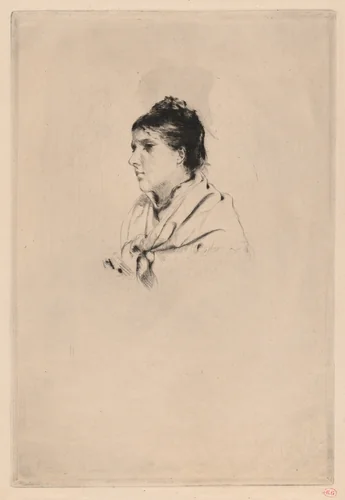
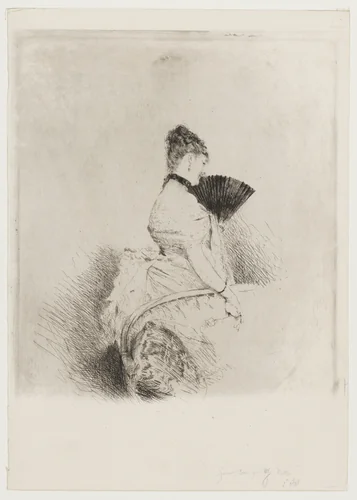
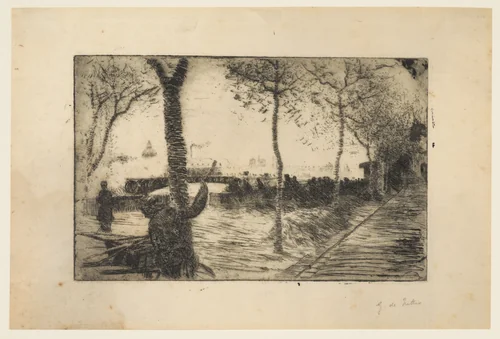
While widely celebrated for his oils, De Nittis was also a prodigious graphic artist. His numerous studies and detailed Giuseppe de Nittis prints, including the arresting depictions of performers such as The Dancer Holoke-GO-Zen, reveal the fundamental quality of his drawing practice and demonstrate his versatility in capturing movement, costume, and the theatrical moment. The enduring international interest in his work reflects its technical proficiency and historical position at the crossroads of established tradition and Modernism. These essential works are held in prestigious global institutions, including the Rijksmuseum, the Art Institute of Chicago, and the National Gallery of Art. Because of their historical significance, many of his key images have entered the public domain, allowing for widespread access and the creation of museum-quality, high-quality prints for contemporary scholarship and display.