Giuseppe Cesari
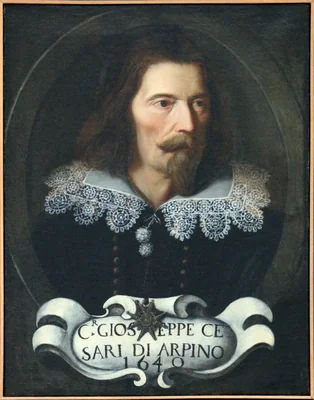
Giuseppe Cesari (1568-1640), better known by his honorific, Cavaliere d’Arpino, was the foremost painter working in Rome at the close of the sixteenth century. Operating within the stylistic parameters of late Mannerism, Cesari became the favored artist of two successive pontiffs, Sixtus V and, more critically, Clement VIII. The latter distinguished him by creating him a Knight of the Supreme Order of Christ, thus providing the source for his renowned title.
Cesari’s significance rests not just on his extensive commissions for grand Roman frescoes and altarpieces, but on his command of the local artistic infrastructure. His studio was the primary training ground for aspiring painters arriving in the Eternal City. It is a subtle but remarkable irony that this rigidly successful, establishment figure served as the chief of the workshop where the young, highly revolutionary Michelangelo Merisi da Caravaggio began his initial Roman career. Though the Cavaliere d’Arpino was a master of the refined, often academic style of the period, he unknowingly housed the very figure whose naturalism would ultimately eclipse the formal language of Mannerism.
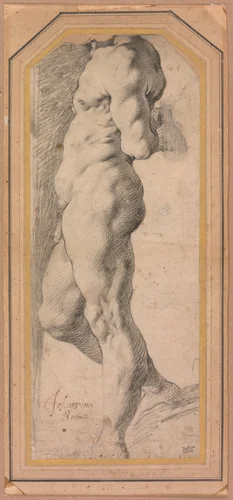
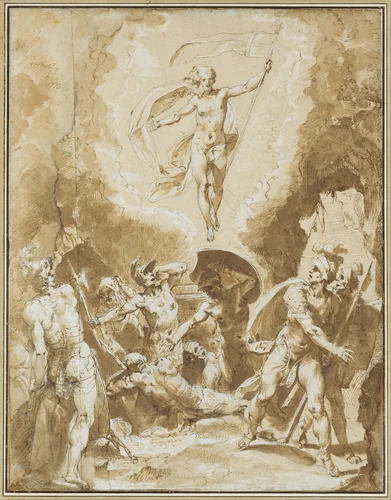
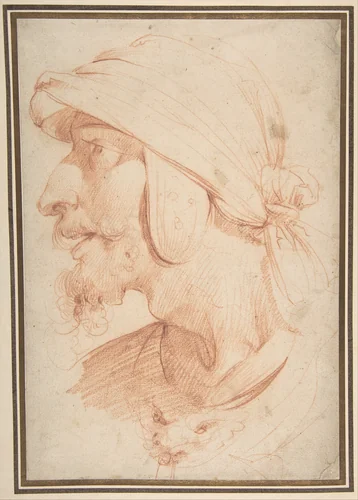
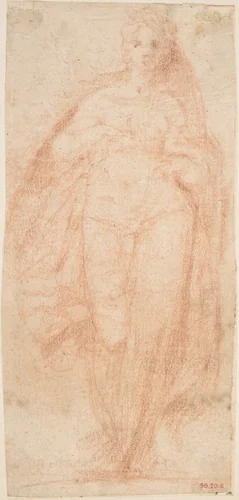
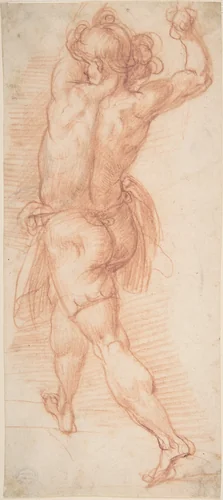
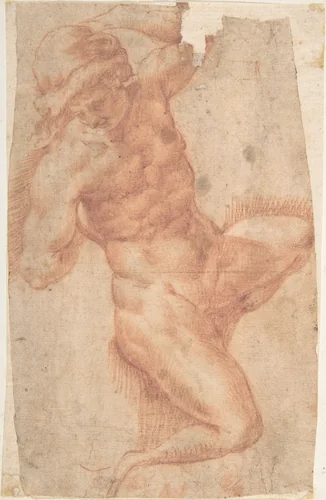
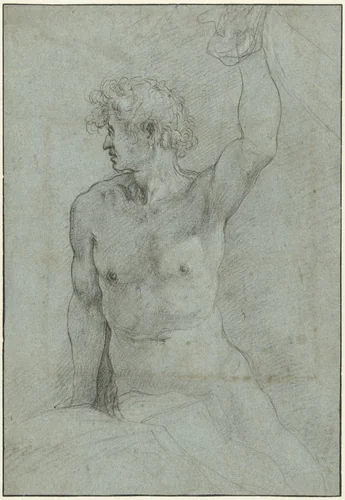
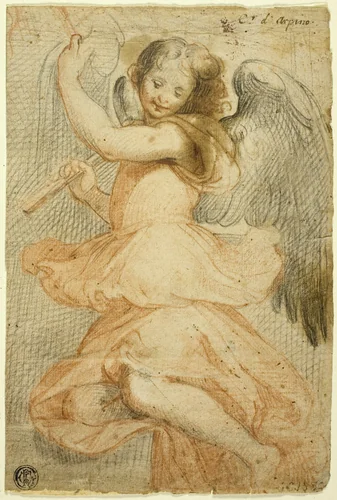
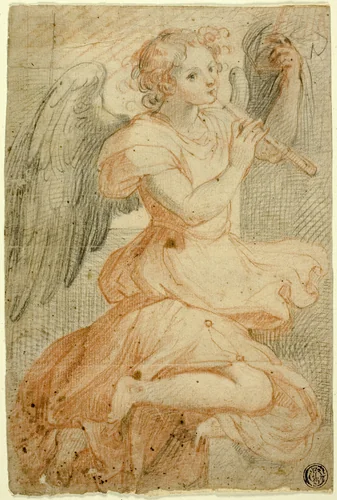
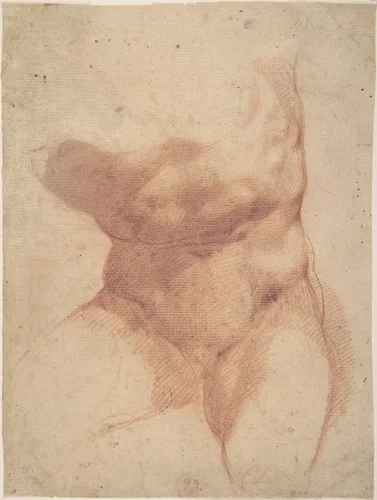
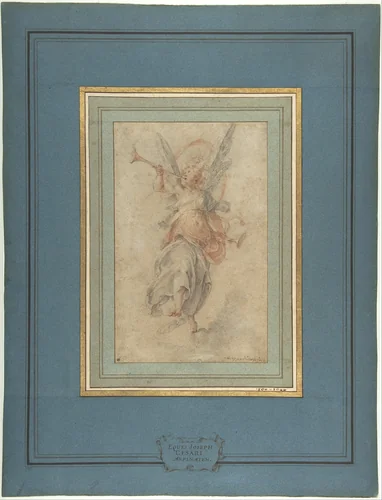
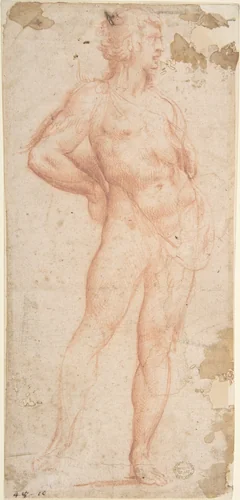
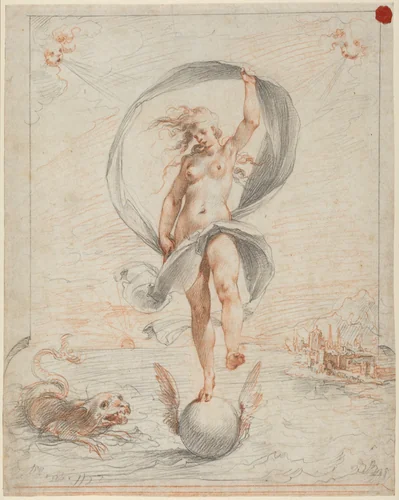
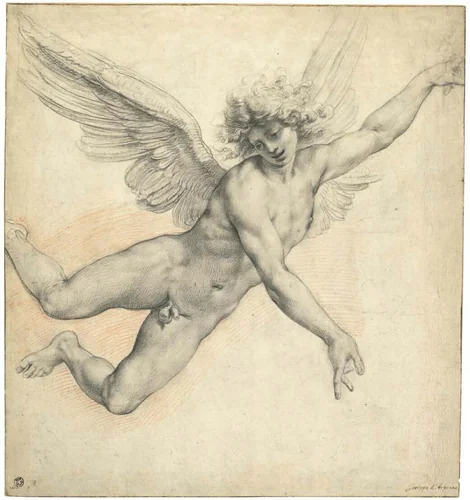
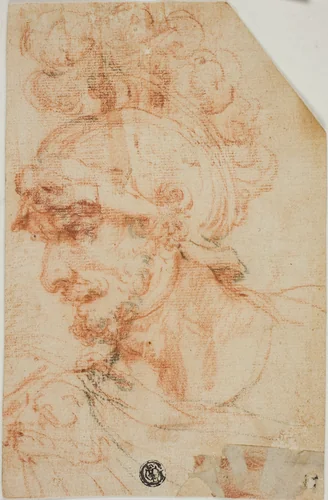
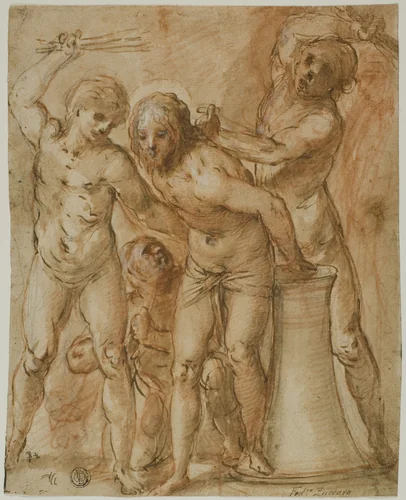
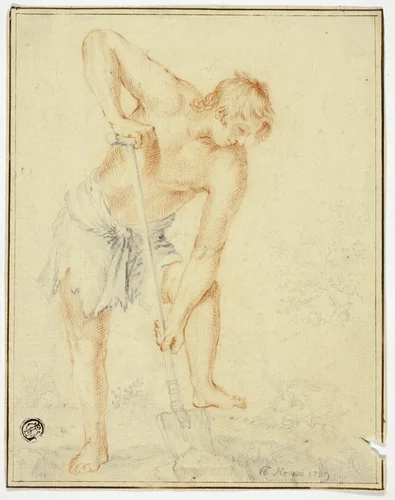
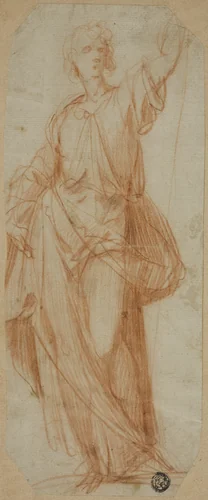
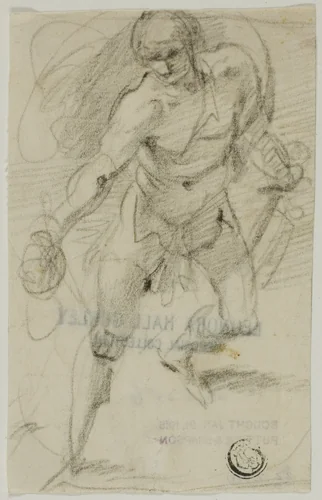
Cesari’s artistic output spanned vast canvases and meticulous graphic works. His exceptional draftsmanship is evident in surviving sketches held in major international collections, including the Metropolitan Museum of Art and the Rijksmuseum. Studies like Study of a Male Nude, Angel Holding a Flute, and the precise anatomical rendition of Naaktstudie van zittende jongeman demonstrate the disciplined drawing required of the Roman academy. These surviving works, comprising drawings and prints, showcase a highly technical preparation phase essential for monumental projects.
The enduring interest in Cesari’s foundation in the Roman school ensures his works remain vital for understanding the complex transition to the early Baroque. A substantial number of his high-quality prints and studies are now in the public domain, available as downloadable artwork through institutions like the National Gallery of Art. This accessibility allows contemporary scholars to study the meticulous working methods of this powerful and politically astute artist who, in his official capacity, defined Roman painting for a generation.
Source: Wikipedia · CC BY-SA 4.0
![Man Tugging on Sheet: Study for the Entombment [Sacristy of the Certosa di San Martino, Naples, 1596] by Giuseppe Cesari, drawing, 1595-1596](https://img.artbee.org/5f4e6e60-db77-46d9-997a-740cd8cb2422/small.webp)