Giulio Cesare Procaccini
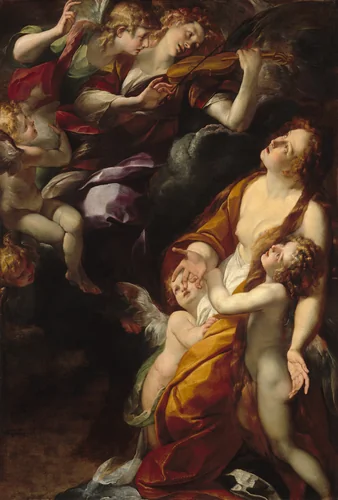
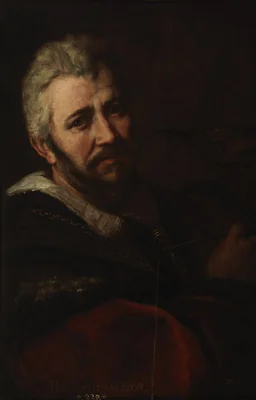
Giulio Cesare Procaccini (1574-1616) stands as one of the defining figures of the early Baroque era in Milan. Operating as both a prolific painter and a sculptor, his career effectively spanned the transition from late Mannerist intellectualism to the dramatic, emotive style that characterized seventeenth-century Lombard art. His visual language, marked by fluid lines, rich, saturated color, and heightened emotional realism, cemented his reputation as the preeminent artist of his generation in Northern Italy.
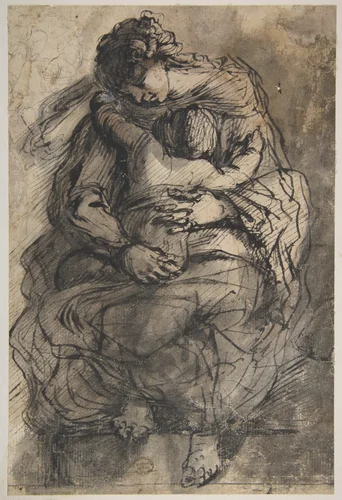
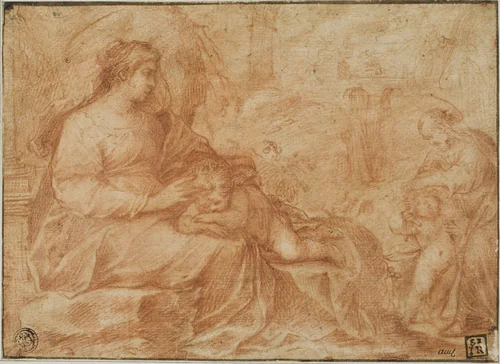
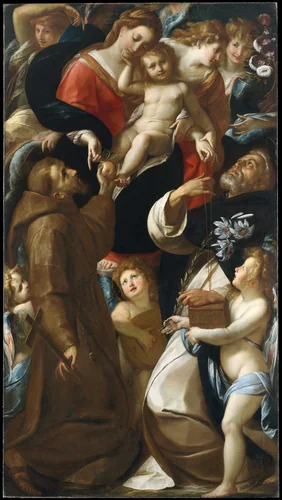
Procaccini’s artistic direction was intrinsically linked to the influence of Cardinal Federico Borromeo, the powerful patron of the arts and cousin of the revered Charles Borromeo. Following the Counter-Reformation directives established by the Cardinal, Procaccini collaborated with peers such as Giovanni Battista Crespi and Pier Francesco Mazzucchelli to create a new, spiritually resonant aesthetic for the Church. This cooperative yet competitive environment spurred innovation, resulting in complex narrative works that combined theatrical movement with devotional piety, exemplified by compositions such as Virgin and Child and the tender Rest on the Flight Into Egypt.
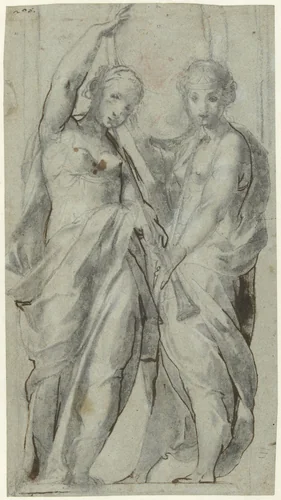
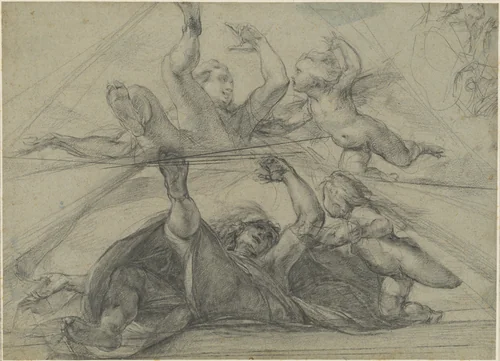
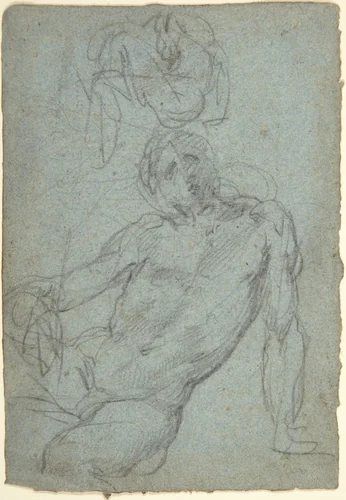
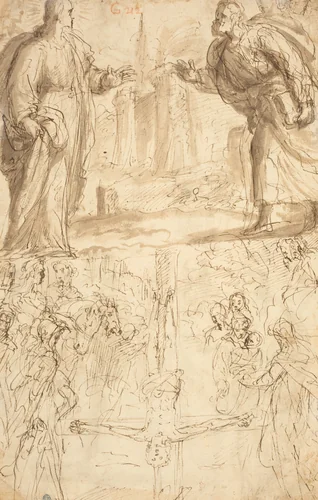
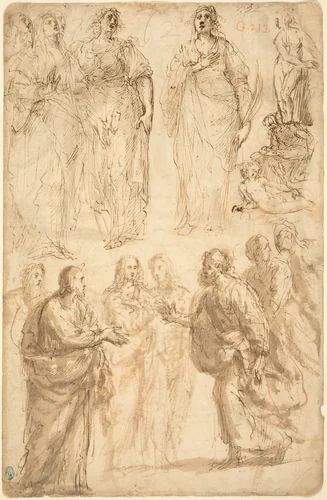
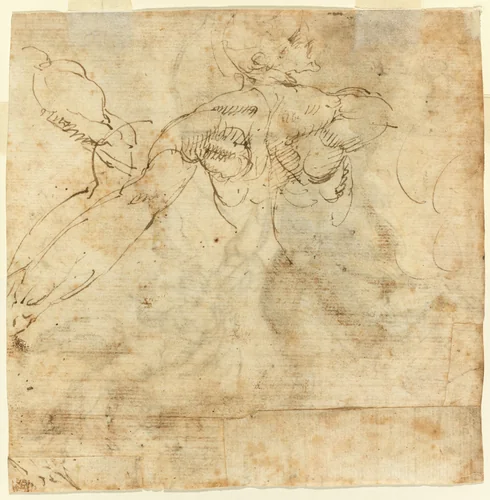
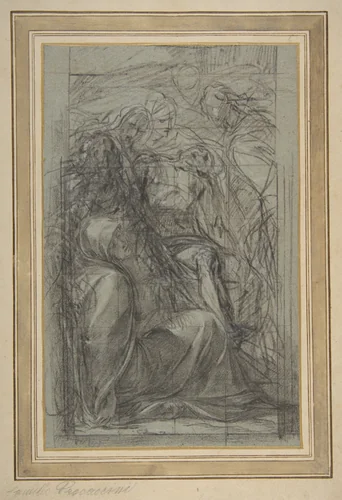
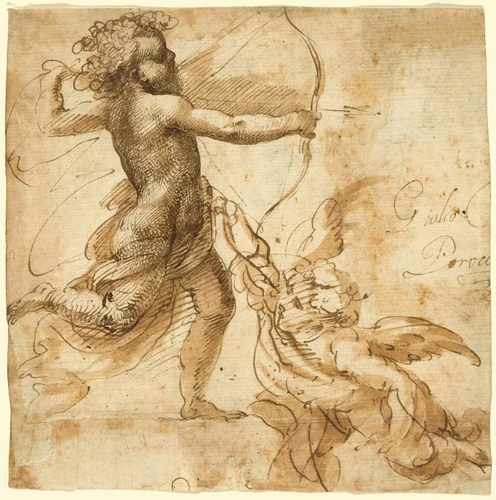
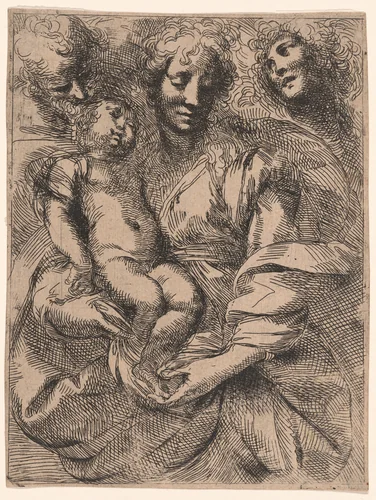
Although only two paintings, one print, and ten drawings are cataloged in our specific database, Procaccini’s surviving output in international collections-including the Metropolitan Museum of Art and the Rijksmuseum-reveal an artist constantly experimenting with scale and perspective. While known primarily for his major altarpieces, his preparatory drawings showcase his technical mastery. Drawings like Studies of a Seated Nude Male Figure demonstrate a profound understanding of anatomy. In works like Ceiling Studies of a Prophet and a Putto Seen from Below, he displays a keen, almost mischievous delight in challenging the viewer's orientation, treating the heavens not as a distant ideal but as an immediate, physical space.
His dynamic contributions effectively laid the groundwork for the subsequent maturation of the regional style. Today, examples of Giulio Cesare Procaccini paintings and prints have entered the public domain, ensuring that these distinctive compositions remain highly visible. Furthermore, many of his drawings are available globally as downloadable artwork, allowing scholars and enthusiasts alike access to the preparatory genius behind this crucial master of the Milanese Baroque.
Source: Wikipedia · CC BY-SA 4.0