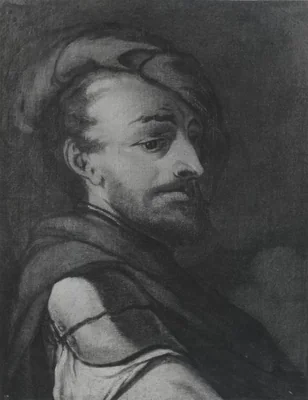
Giulio Carpioni
Giulio Carpioni (active 1613-1631) was a prominent Italian painter and etcher whose career anchored the transition into the full flowering of the Baroque era. Though his working period was relatively condensed, Carpioni established a lasting legacy primarily through his highly refined graphic works. His mastery of etching ensured his influence spread far beyond his native territory, confirming his stature as an essential figure in 17th-century Venetian and northern Italian art. Evidence of his enduring significance can be seen in major international holdings, with institutions such as the Metropolitan Museum of Art, the Art Institute of Chicago, and the Rijksmuseum preserving his crucial prints and drawings.
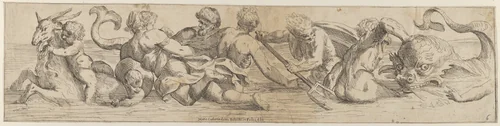
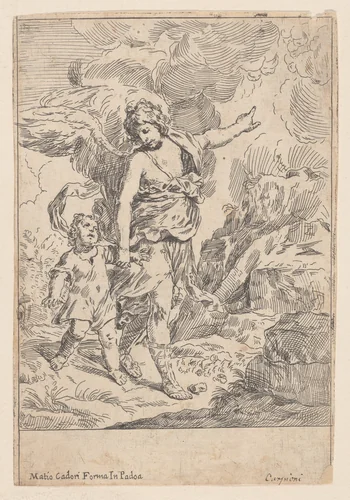
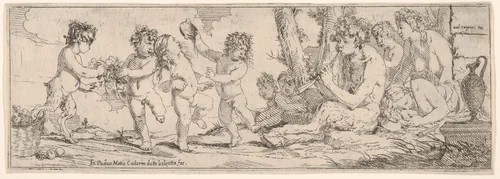
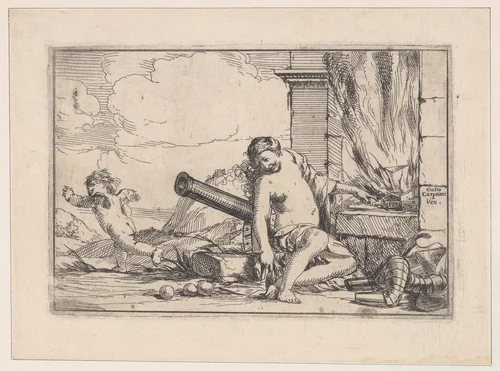
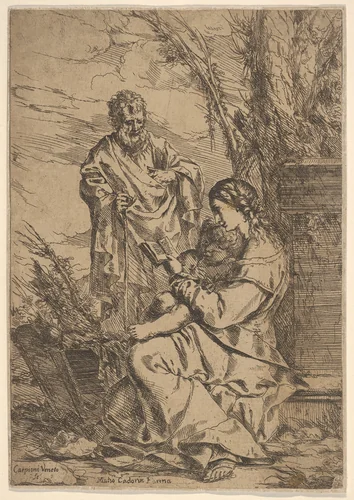
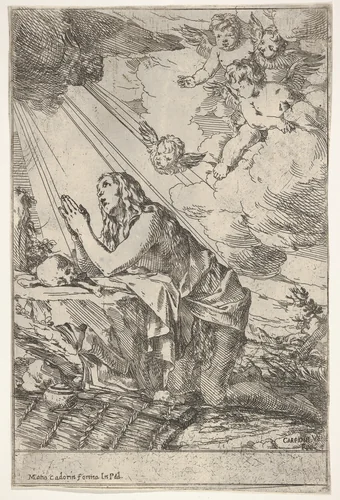
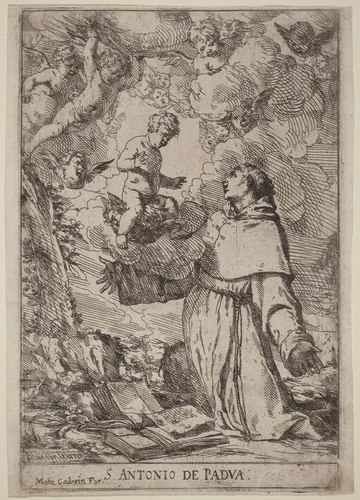
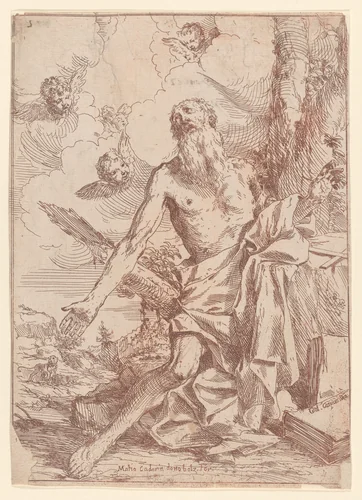
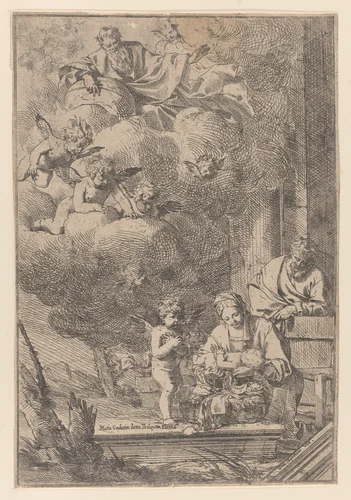
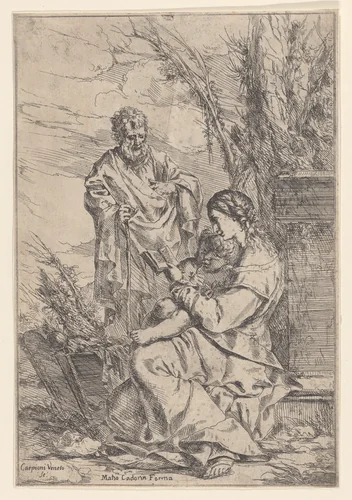
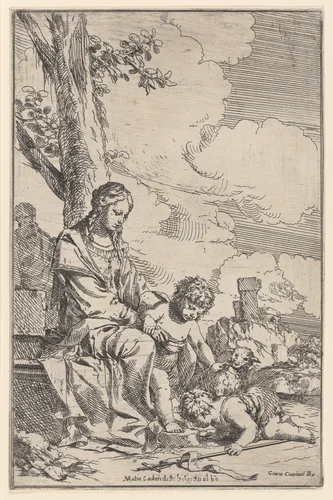
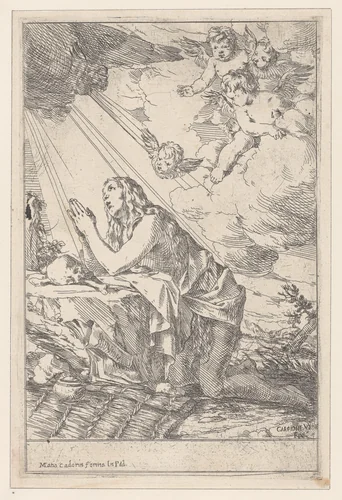
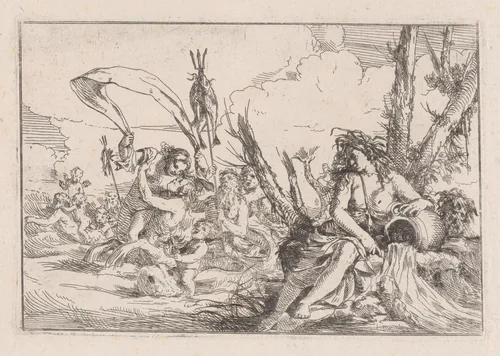
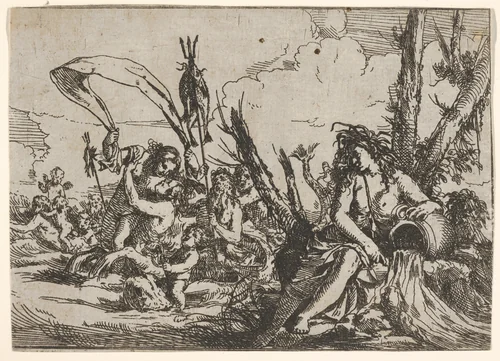
Carpioni excelled in compositions that frequently juxtaposed the sacred and the profane. He produced devotional works, such as the compelling Christ on the Mount of Olives and the tender Holy Family with the Virgin Reading, alongside dynamic, spirited representations of classical mythology. His famous Bacchanalian Group with Children Drinking exemplifies the era’s fascination with classical revelry, rendered with intricate detail and a fluid sense of motion characteristic of the early Baroque. The sheer density of human interaction in these works is remarkable; examining the complexity of his preparatory sheets, like those titled Figure Studies: Men Standing by a Large Vase, a Falling Nude Figure, and Other Figures, reveals the artist’s dedication to meticulously choreographed figure arrangements—an undertaking that suggests he required a small army just to organize his studio models.
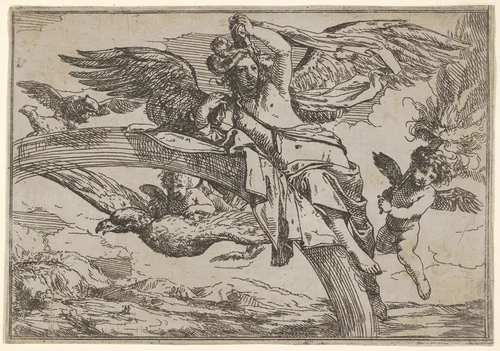
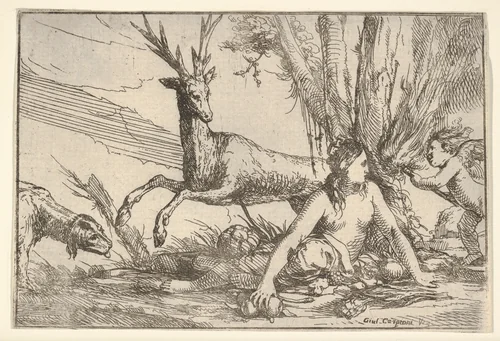
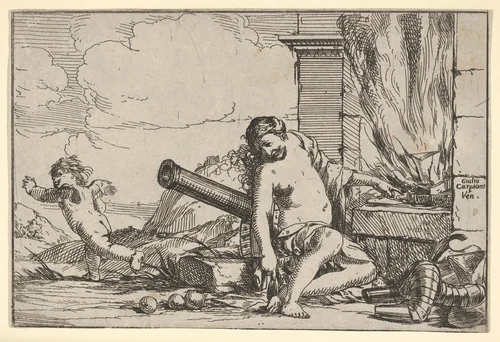
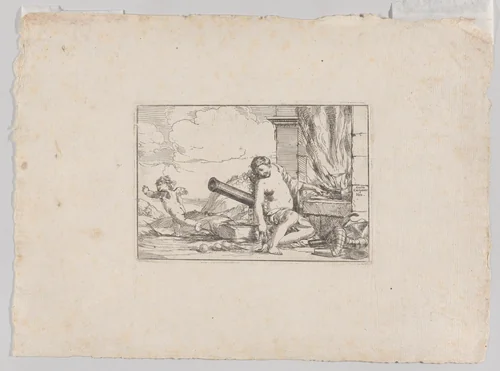
Beyond his finished paintings, it is the quality of Giulio Carpioni prints that cemented his place in art history. Etching allowed him to experiment rapidly with dramatic lighting and compositional structure, serving both as a means of study and a reproducible art form. His detailed figure studies demonstrate a profound academic interest in the human form, often captured in spontaneous, sometimes whimsical attitudes. Today, his graphic output remains highly valued, maintaining its museum-quality integrity centuries later. Thanks to the accessibility provided by major institutions, many important works by the artist are available as high-quality prints, allowing modern viewers direct access to the elegant and complex visual vocabulary of this foundational early Baroque master.
Source: Wikipedia · CC BY-SA 4.0