Girolamo Muziano
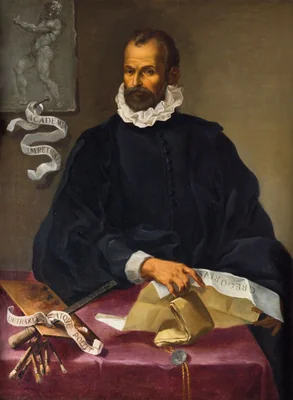
Girolamo Muziano (c. 1528–1590), often referred to as Mutiani, was an Italian painter and draftsman whose prolific activity placed him among the most prominent artists working in Rome during the critical period of the mid-to-late sixteenth century. Operating between the stylistic rigor of the High Renaissance and the emerging expressive drama of the early Baroque, Muziano possessed a practical command of composition that secured him significant ecclesiastical patronage. His ability to navigate the demanding artistic landscape of Rome, maintaining high status across several papal reigns, speaks not only to his skill but to a remarkable professional acumen.
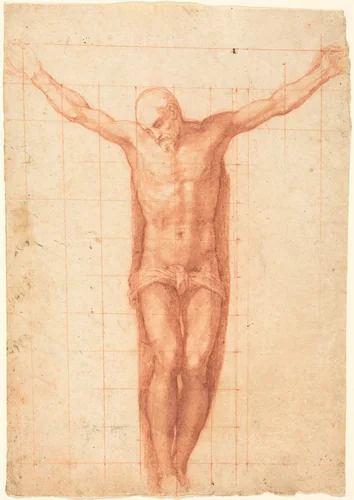
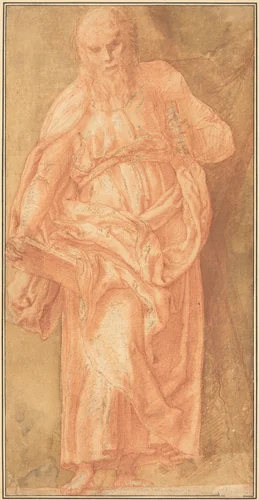
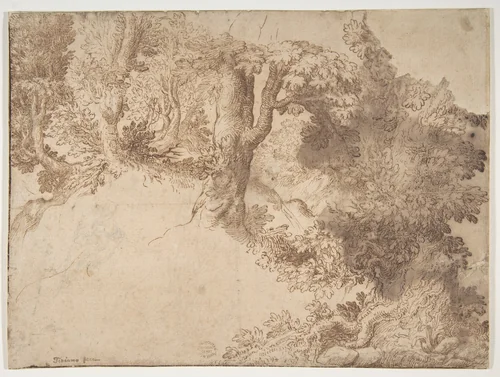
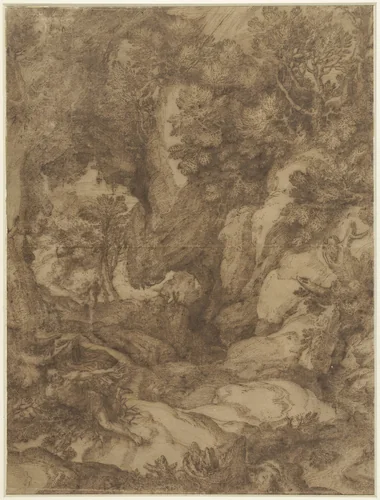
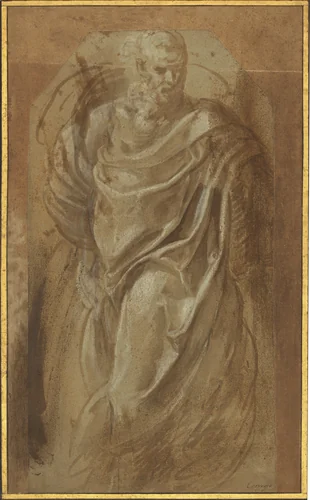
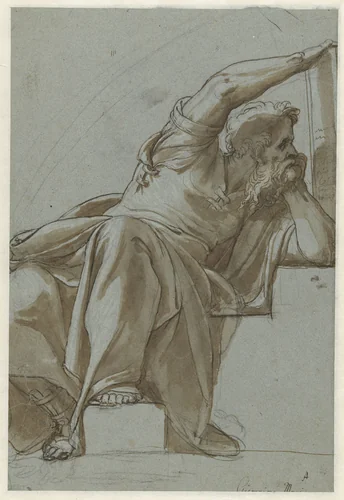
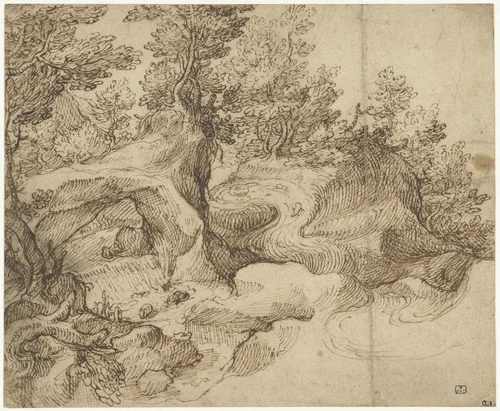
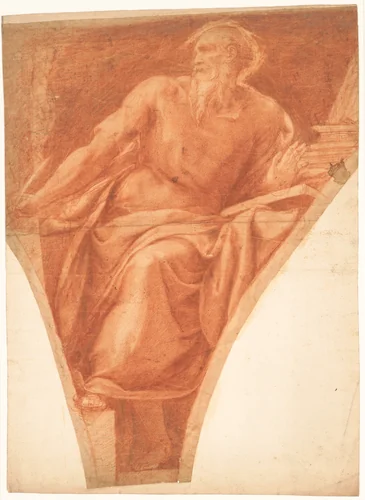
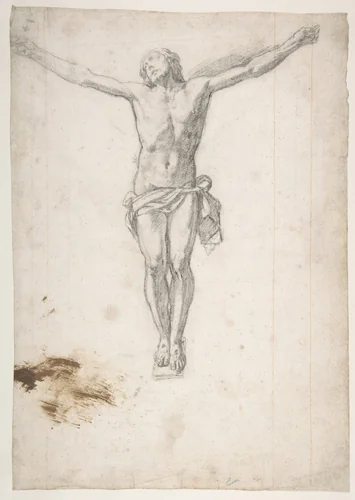
Muziano’s surviving oeuvre provides valuable insight into the diverse demands placed upon cinquecento masters. His contributions ranged from powerful religious narratives, exemplified by precise drawings like Christ on the Cross and the subtly modeled Saint Andrew, to figure studies such as A Standing Man in Classical Drapery. While his core strength lay in enduring classicism, his handling of landscape, evident in works like the intriguing Woodland Scene with Light Sketch of a Madonna and Child and Heilige Benedictus in een landschap, indicates an early interest in integrating robust figures within natural settings, a technical focus that would influence subsequent generations of Roman painting.
His career demonstrates that stability and quality, rather than stylistic revolution, often secured enduring success in the period. It is perhaps an understated observation that, unlike some contemporaries who pursued dramatic novelty, Muziano’s work provided the solid, high-quality foundation upon which more flamboyant styles could later safely experiment.
Today, the integrity of his execution is accessible through collections worldwide, including key holdings at the Rijksmuseum, the Metropolitan Museum of Art, and the National Gallery of Art. The availability of many Girolamo Muziano paintings and detailed figure studies in the public domain ensures that scholars and enthusiasts can continue to examine his meticulous technique, often accessible today through museum-quality high-quality prints offered globally.
Source: Wikipedia · CC BY-SA 4.0