Girolamo dai Libri
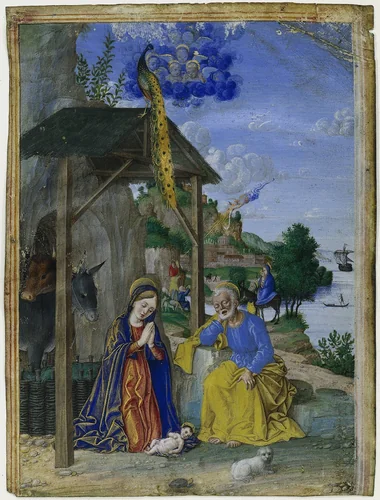
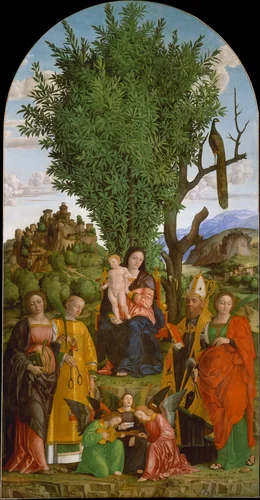
Girolamo dai Libri (c. 1474–1515) stands as a pivotal figure in the Veronese early Renaissance, celebrated for his dual mastery as both a panel painter and, more enduringly, as a preeminent manuscript illuminator. Active from 1474 until his death, his sophisticated output seamlessly bridged the late medieval tradition of intricate miniature painting with the nascent classicism defining the 16th century.
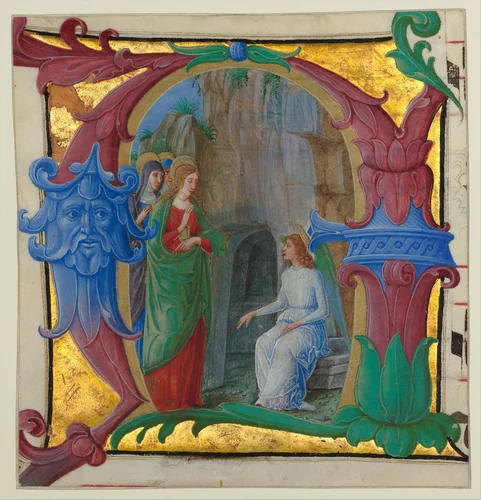
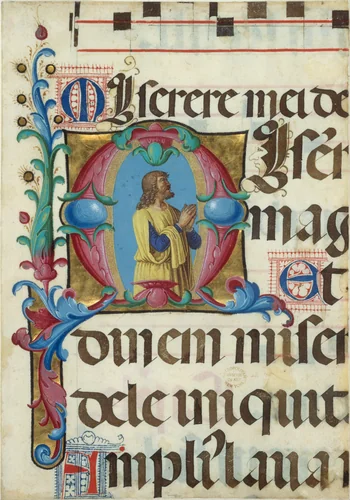
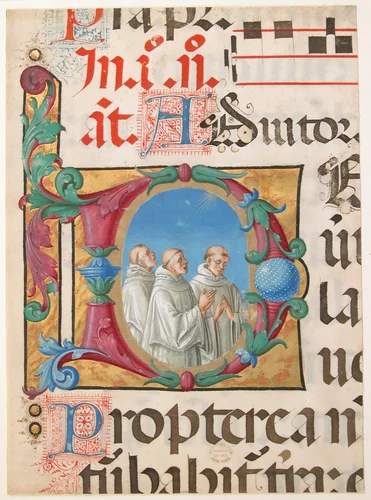
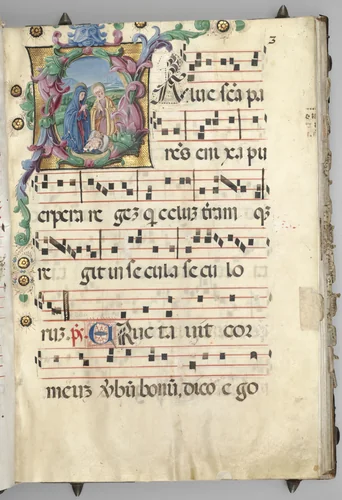
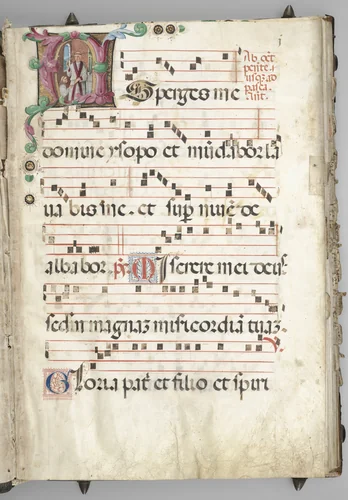
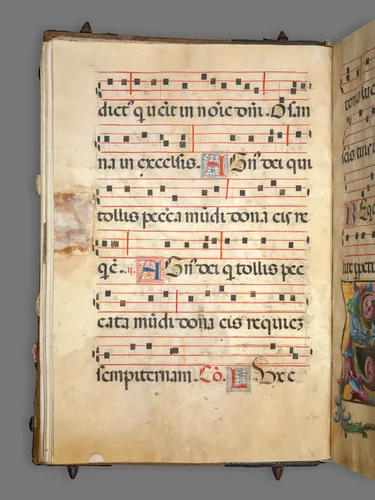
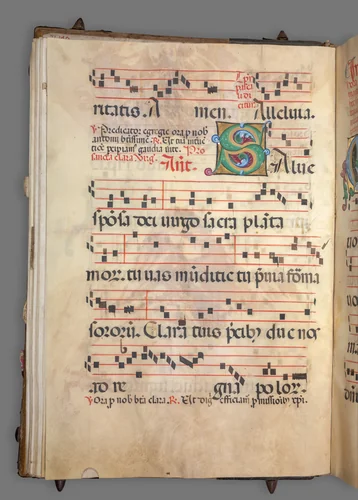
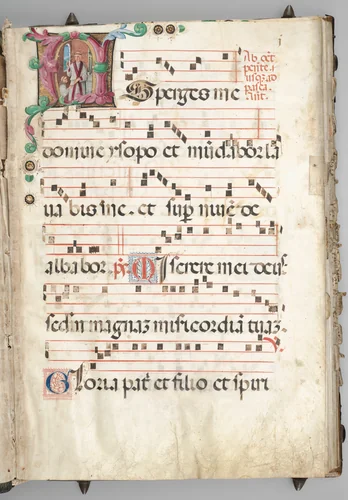
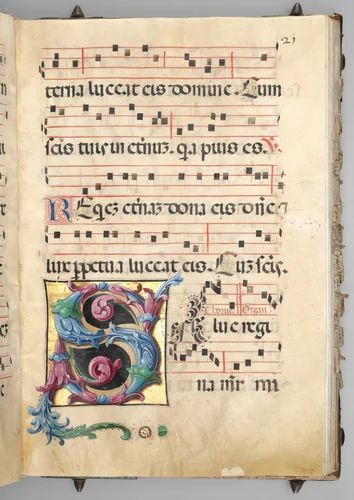
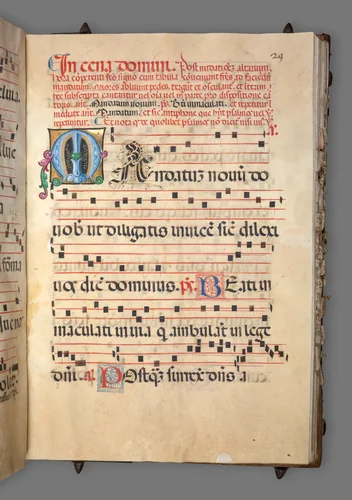
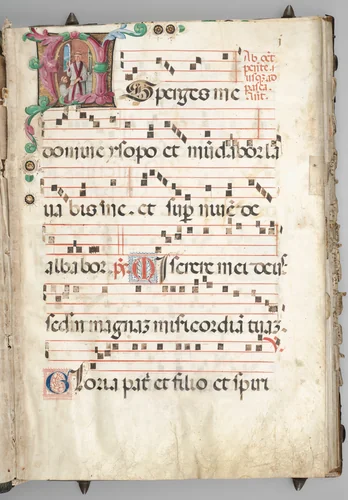
The artist’s identity, cemented by his hereditary association, is reflected in his appellation: Girolamo dai Libri literally translates to "Girolamo of the Books." His most significant commissions involved embellishing large choir books, antiphonaries, and psalters destined for ecclesiastical use. Works such as the Manuscript Illumination with the Holy Women at the Tomb in an Initial A exemplify his technique, employing meticulously rendered figures and spatial depth within the highly structured confines of the historiated initial. He possessed a keen ability to compress the monumental compositional strategies typical of larger altarpieces into the often restrictive format required by illumination. This skill is particularly evident in pieces like Manuscript Illumination with David in Prayer in an Initial M, from a Psalter, where dramatic religious narrative unfolds on a minuscule scale.
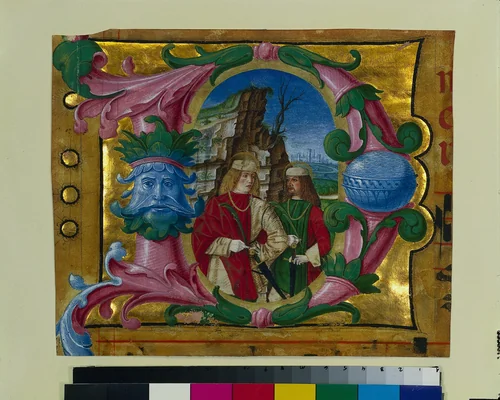
While his catalogue of surviving Girolamo dai Libri paintings is limited compared to his illuminated output, his style consistently embodies the precision and chromatic handling learned at the scribe’s desk. This inherent attention to detail ensured that even fragmentary works, such as the dynamically composed Historiated Initial (D) Excised from a Choir Book: Two Martyr Saints, maintain an immediate visual power and clarity, regardless of their excised context.
His fragmented yet robust legacy ensures his presence in leading international repositories, including the Metropolitan Museum of Art and the National Gallery of Art. Through dedicated conservation and digitization programs, these often overlooked masterpieces of micro-scale painting are increasingly accessible. Scholars and collectors can readily find downloadable artwork and high-quality prints documenting these exemplary Early Renaissance achievements.
Source: Wikipedia · CC BY-SA 4.0