Giovanni Pichler
Giovanni Pichler (active 1700-1785) stands as a pivotal German-Italian figure in the eighteenth-century revitalization of glyptics, the art of carving or engraving gems. Working during the nascent stages of the Neo-classical fervor, Pichler mastered the demanding craft of intaglio and cameo creation. His geographical identity, straddling German precision and Italian reverence for classical antiquity, perfectly positioned him to contribute to the pan-European demand for exquisitely detailed miniatures based on ancient models. The tradition of engraved gems, highly prized since Roman times, experienced a spectacular resurgence in the 1700s, often serving as subtle markers of erudition and sophisticated taste for Grand Tour participants and aristocratic collectors.
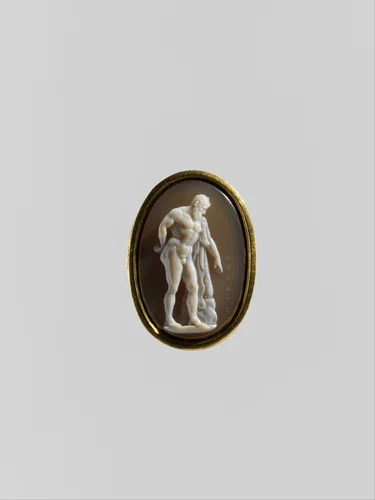
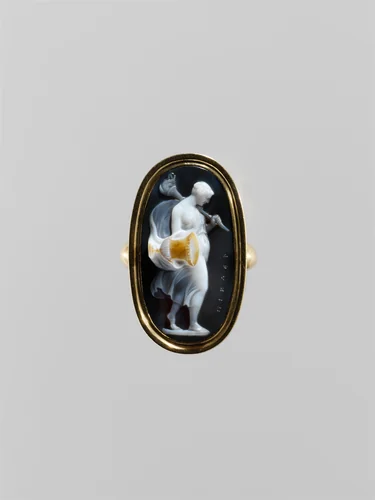
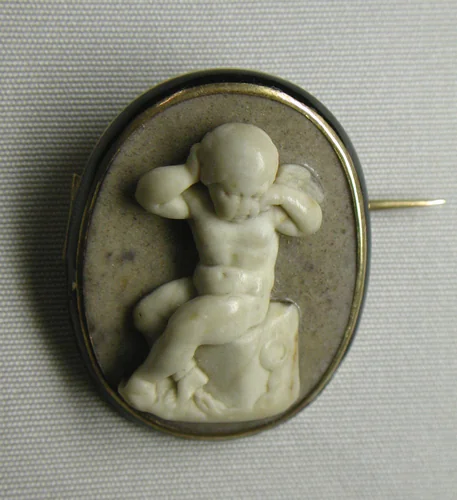
Pichler’s substantial output was focused overwhelmingly on classical narrative and portraiture executed in the Roman style. His surviving corpus reveals a remarkable consistency in quality and thematic rigor, drawing directly from ancient sculpture and mythological sources. Works such as the compelling Young woman with a torch and vase and the powerful interpretation of The Farnese Hercules showcase his ability to imbue hard stone, often carnelian or sardonyx, with monumental presence despite the diminutive scale.
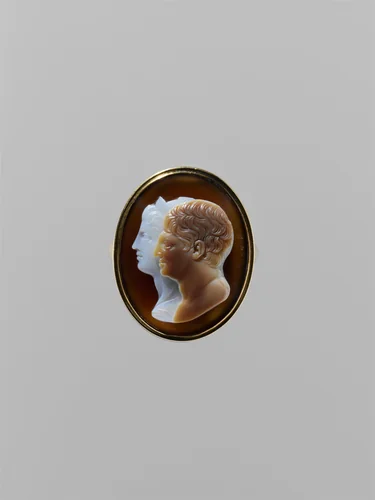
The creation of such precise, museum-quality works on stones barely larger than a fingertip is a technical marvel. One might observe that the true genius of Pichler lies not merely in imitation, but in the almost impossible delicacy required; his subjects are captured with a finality that suggests drawing in light, not scraping in stone. His skill extended to complex compositions, including the sophisticated handling required for the Jugate portrait of a couple in Roman style, confirming his place among the most celebrated gem engravers of the period.
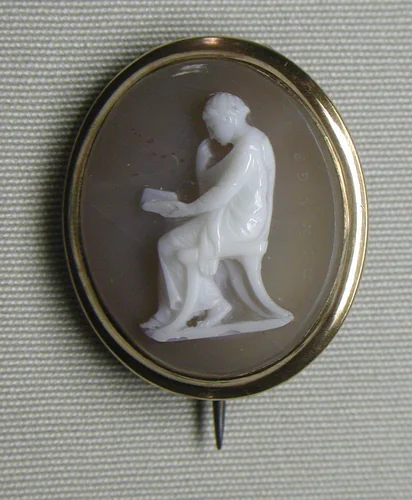
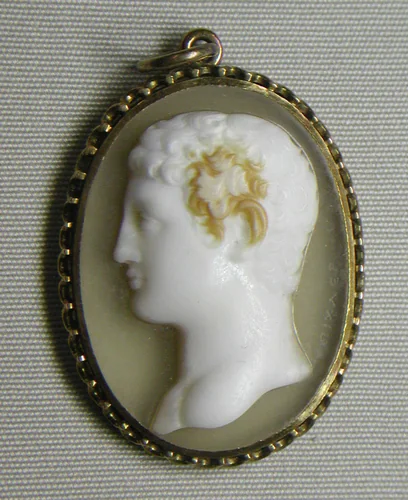
Pichler’s significance is underscored by the continued inclusion of his pieces, such as the meticulously detailed Head of a young man in Roman style and the subtly dynamic Seated female figure, in major institutional holdings, notably the Metropolitan Museum of Art. Although the originals remain confined to specialized collections, the influence of his designs is widespread. Fortunately, much of Pichler’s work, due to its historical nature, is now classified as public domain. Scholars and enthusiasts often access digital surrogates, allowing for the creation of beautiful, high-quality prints based on his meticulous classical studies. His legacy rests not only on the intrinsic beauty of his micro-sculptures but also on his foundational role in establishing the visual language of Neo-classical gem engraving for succeeding generations.
Source: Wikipedia · CC BY-SA 4.0