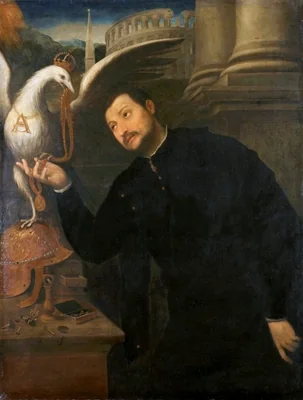
Giovanni Jacopo Caraglio
Giovanni Jacopo Caraglio (c. 1503-1565), known also by the cognomens Jacobus Parmensis and Jacobus Veronensis, was a significant figure in the graphic arts of the Italian Renaissance, active primarily as an engraver, goldsmith, and medallist. His career is notable for its decisive geographic and professional shifts, moving from the artistic centers of Italy to the courts of Central Europe, a migration that shaped the transmission of High Renaissance aesthetics across the continent.
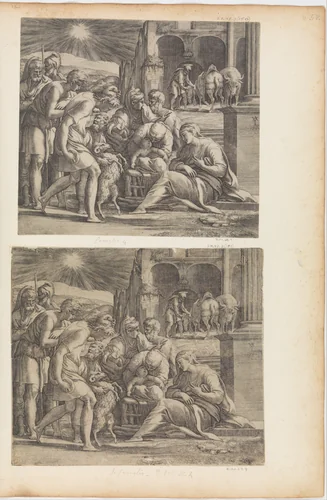
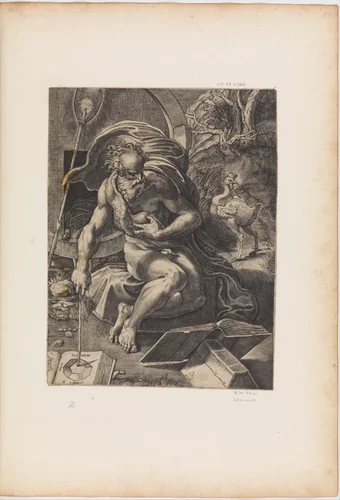
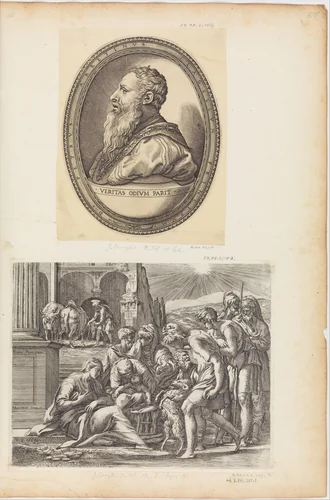
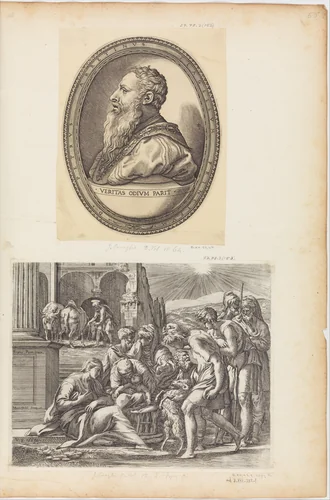
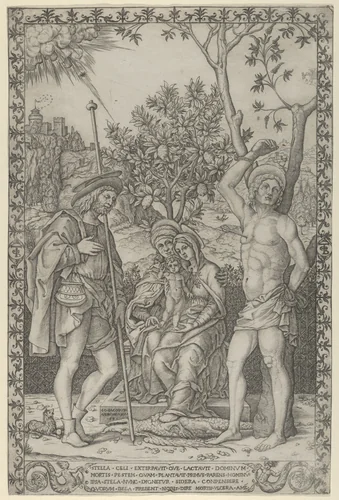
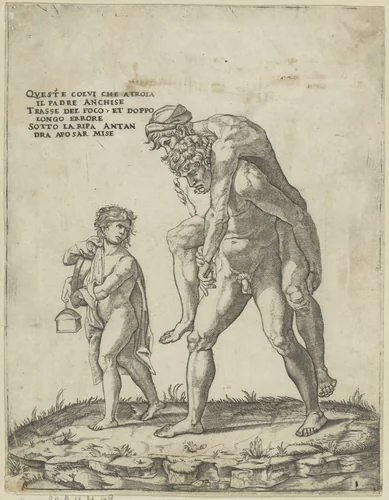
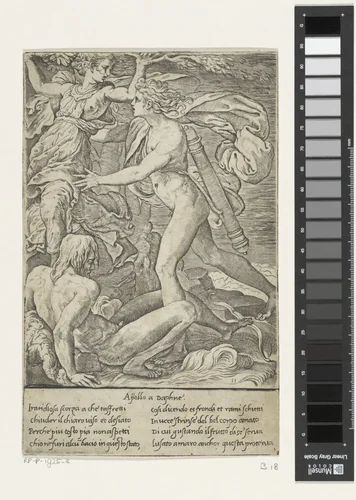
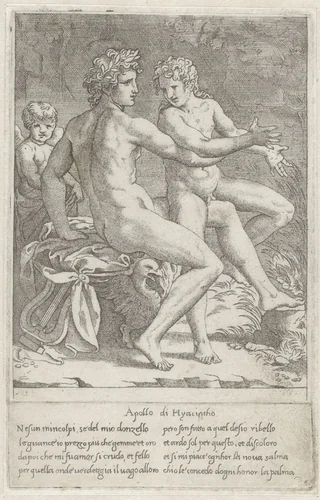
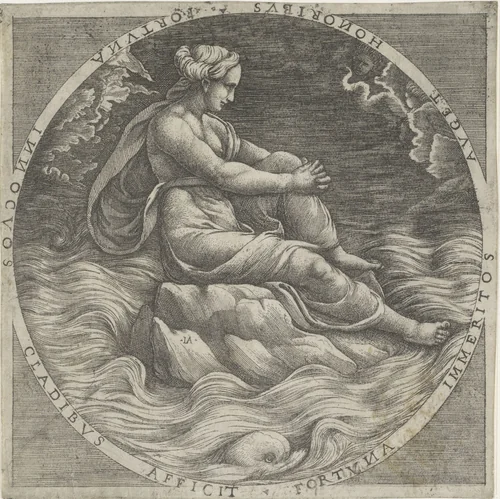
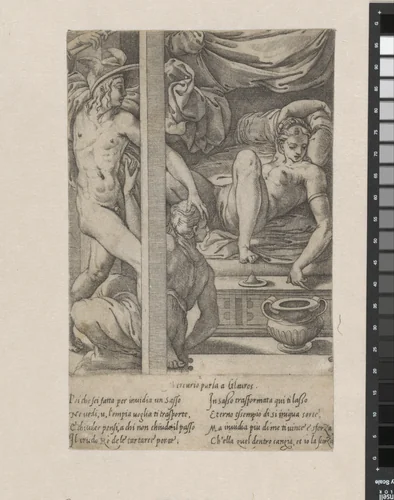
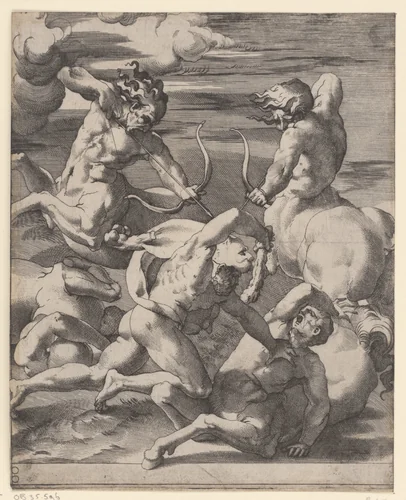
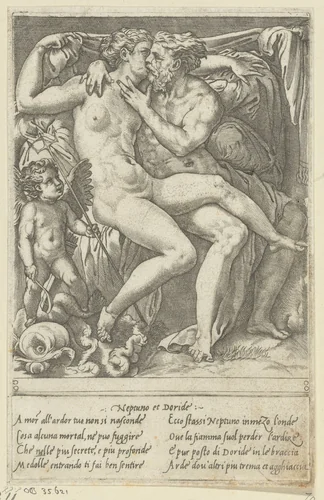
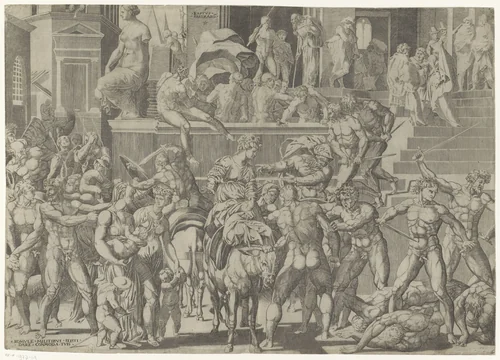
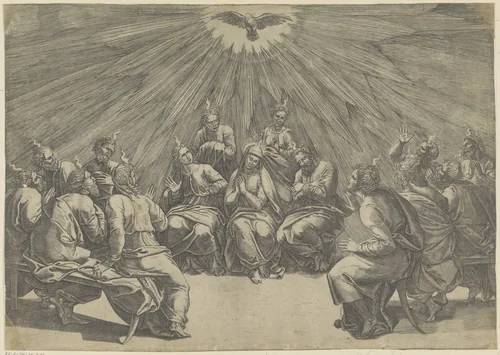
Caraglio’s initial and most influential period was spent in Rome, beginning around 1526. During this time, he established a specialized practice as a reproductive engraver, working in close collaboration with leading contemporary designers. His skill lay in translating the scale and complexity of large-scale paintings and architectural drawings into precise, sophisticated copperplate prints. This collaboration model ensured the wide dissemination of Italian compositions, cementing his reputation as a producer of high-quality prints. Works from this period, such as his portrait Pietro Aretino and the multilayered study Diogenes, exemplify his capacity for detailed modeling and energetic line work.
Following the disruptions in Rome, Caraglio relocated briefly to Venice, a burgeoning hub for print publication and commerce. However, the latter half of his career saw a radical pivot; he departed Italy entirely for Poland. There, he relinquished the burin of the engraver to dedicate himself primarily to the esteemed courtly craft of the goldsmith and medallist, a role he maintained until his death. It is rare for an artist to pivot so completely between such distinct disciplines and geographies, suggesting Caraglio possessed a pragmatic adaptability that allowed him to thrive beyond the standard structures of the Italian studio master.
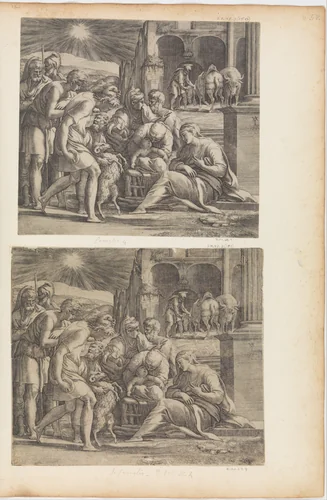
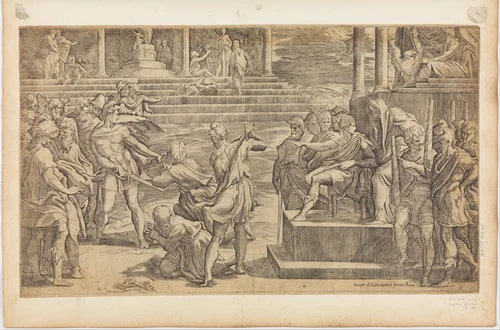
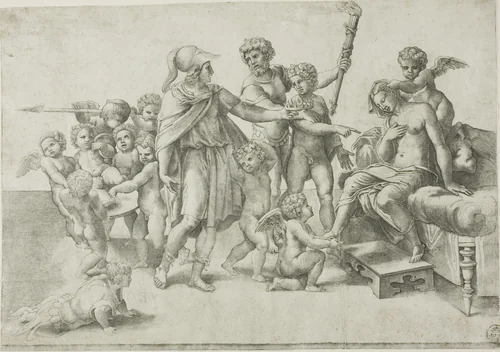
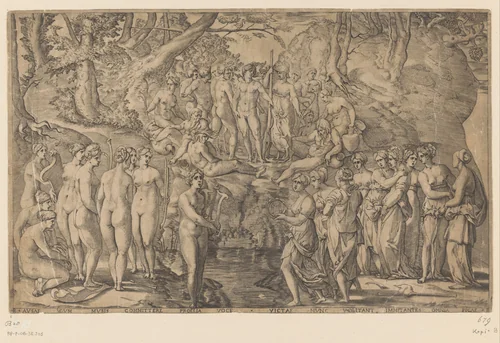
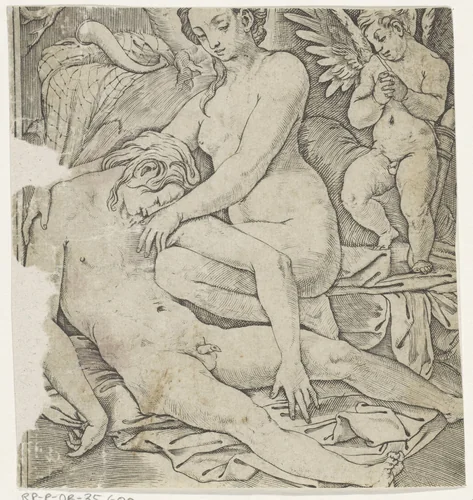
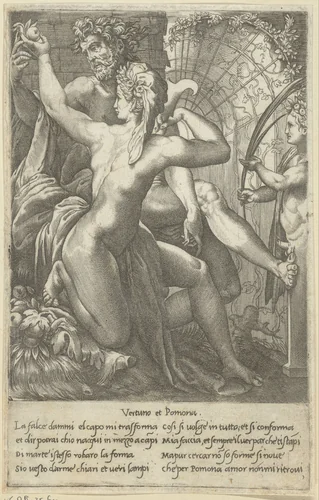
Caraglio's influential corpus, though limited to approximately fifteen known engravings, remains essential for understanding the international reach of early sixteenth-century Roman style. Today, his Giovanni Jacopo Caraglio prints are conserved in global institutions, including the Art Institute of Chicago and the Rijksmuseum. Due to their age, many of these foundational works are now considered part of the public domain, making them available to scholars and the public alike as downloadable artwork.
Source: Wikipedia · CC BY-SA 4.0