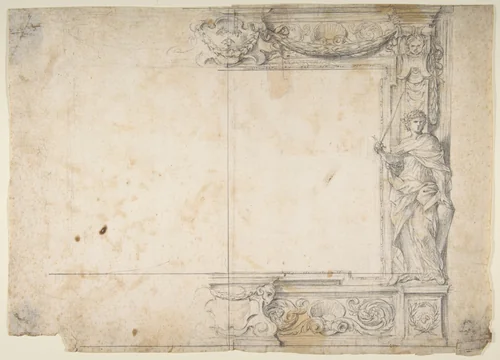
Giovanni Francesco Romanelli
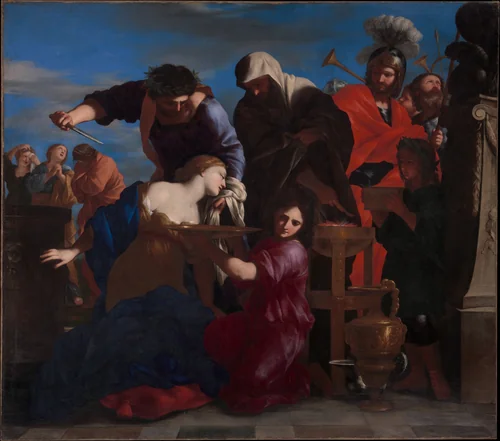
Giovanni Francesco Romanelli (1600-1679) stands as a major Italian painter of the Baroque period, recognized for synthesizing the inherent drama of the era with an unusual lightness and clarity. Active primarily through the mid-seventeenth century, Romanelli achieved significant international prominence, leading to many of his most important commissions finding homes beyond Italy, notably within the collection of the Louvre. His distinctive style relies on a specific technical approach: a celebration of bright, vivid colors paired with a remarkable clarity of detail that prevents his compositions from descending into visual chaos.
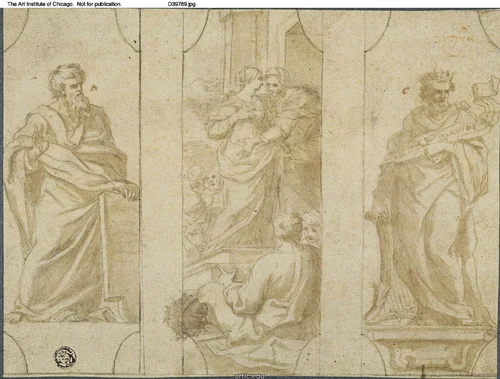
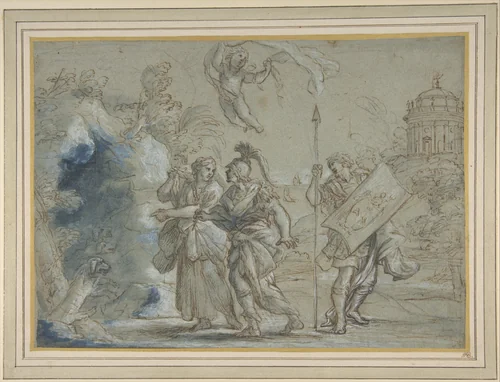
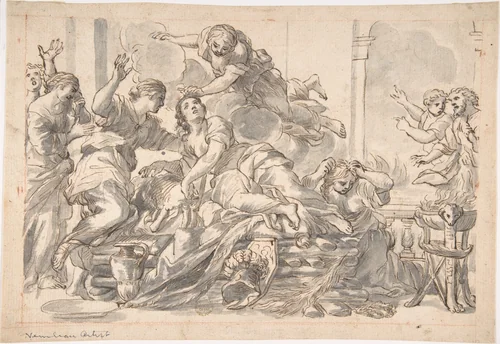
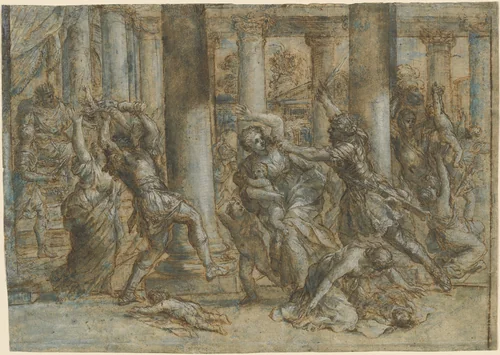
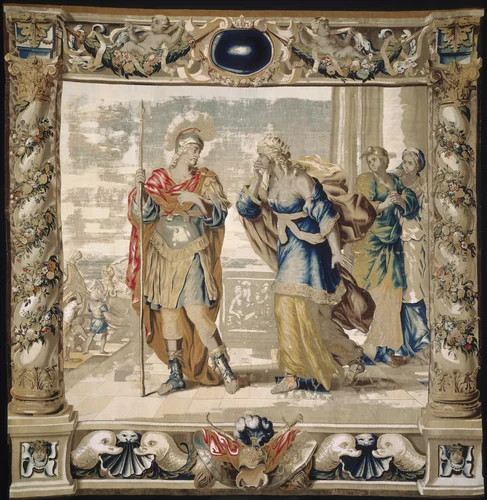
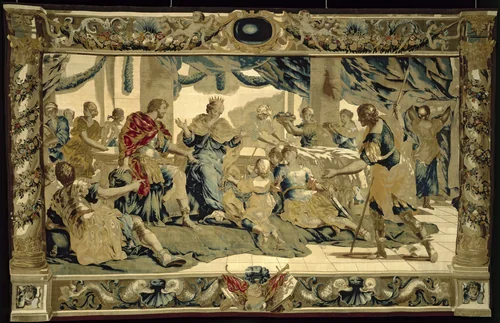
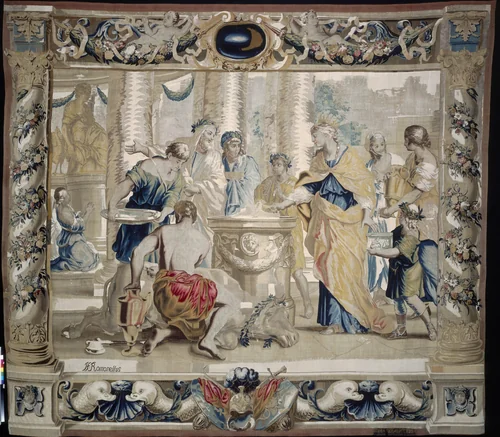
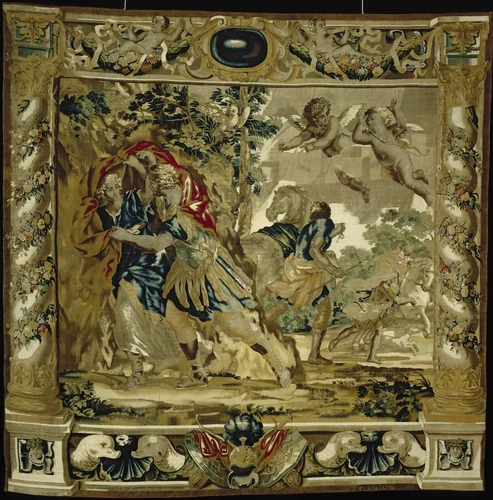
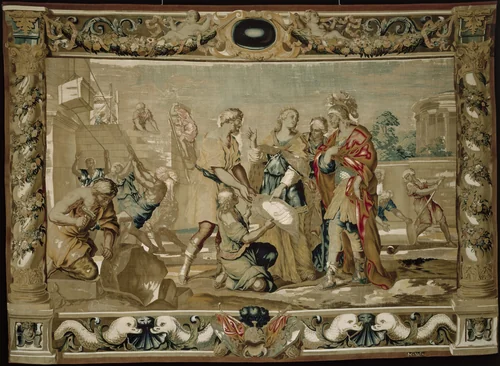
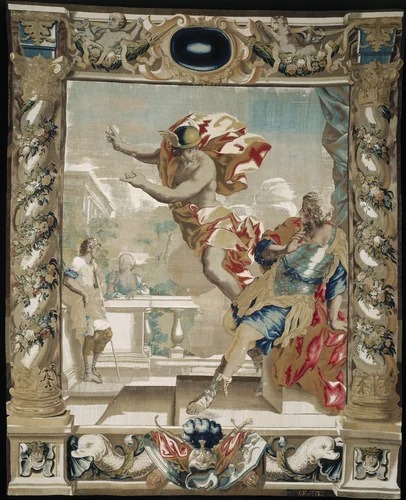
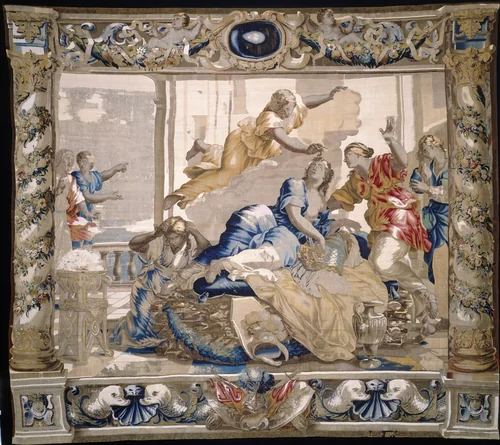
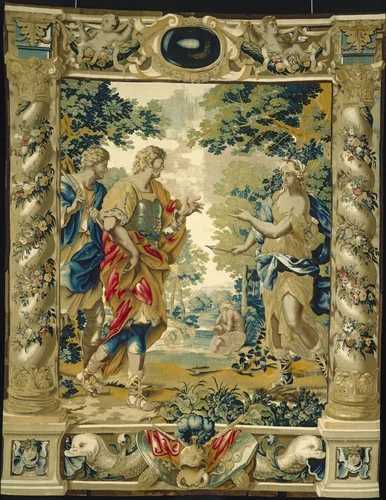
Romanelli’s repertoire included complex mythological, historical, and religious scenes, often executed across multiple media. While institutional records note a singular extant painting, his contributions to draftsmanship and decorative arts are equally crucial. Museum collections confirm a substantial output in drawings and textiles, the latter underscoring his influence on the applied arts of the period. Examples such as the monumental textile work, Three Panels: Visitation Flanked by Standing Figures of David and Unidentified Prophet, demonstrate his ability to translate large-scale narrative painting into the challenging medium of tapestry. Equally impressive are his mythological studies, including the dramatic rendering of Aeneas and the Cumaean Sibyl Entering the Infernal Regions and the poignant Death of Dido.
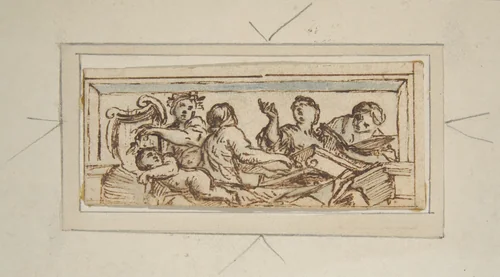
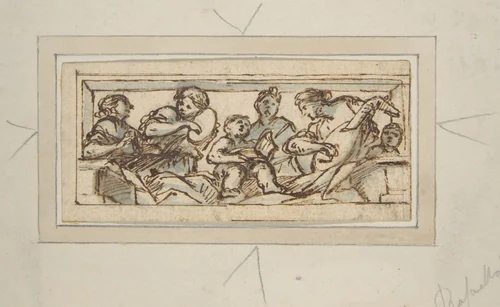
Romanelli’s studio practice was prolific, focusing not only on grand historical episodes but also on genre scenes. His work often reveals a keen, almost playful, interest in musical gatherings, as evidenced by his preparatory sketches titled Five Music-Making Figures and Six Music-Making Figures. This precision and refinement in his compositions made him immensely popular with private collectors and ensured his prominent role in Roman artistic circles.
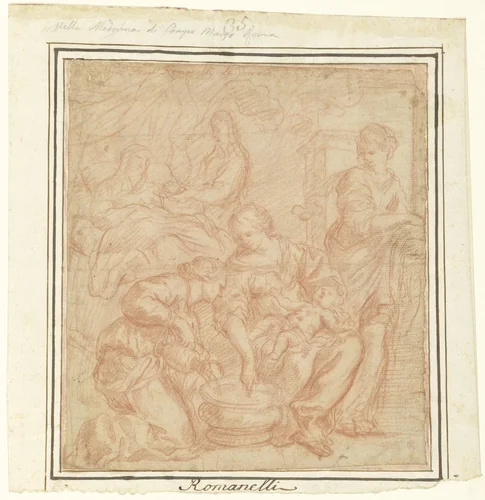
Today, the enduring interest in Romanelli’s technique allows his legacy to reach new audiences. Works held by institutions like the National Gallery of Art, the Rijksmuseum, and the Art Institute of Chicago ensure their preservation for scholarly study. Many of the studies and Giovanni Francesco Romanelli paintings are now accessible as downloadable artwork, ensuring that the defining vibrancy of his Baroque vision remains available to admirers globally, often through public domain initiatives offering high-quality prints for research and enjoyment.
Source: Wikipedia · CC BY-SA 4.0