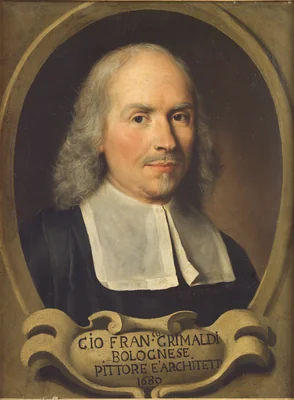
Giovanni Francesco Grimaldi
Giovanni Francesco Grimaldi (c. 1600-1616) was a foundational figure in the classical tradition of 17th-century Roman art, practicing successfully as a painter, architect, draughtsman, and printmaker. While actively shaping the built environment of Rome, his enduring fame rests upon his mastery of the idealized landscape. He was an accomplished fresco painter who specialized in composing harmonious, classical views populated by subtle figures and ancient architecture, a formula that proved immensely popular among the leading patrician families of the city.
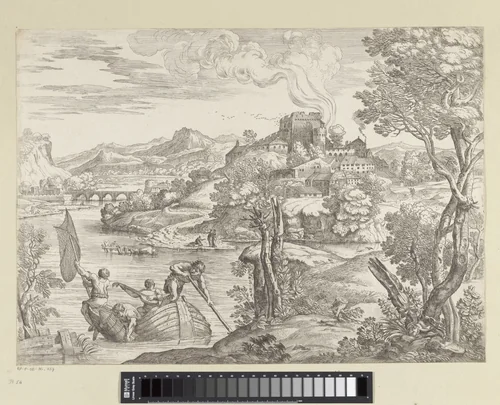
Operating at a pivotal moment in the development of Baroque landscape painting, Grimaldi’s work emphasized the paesaggio ideale, where balanced composition and atmospheric effects took precedence over topographical exactitude. His canvases and frescoes, which combined the monumentality of idealized nature with academic refinement, profoundly influenced later generations of landscape specialists working in Rome.
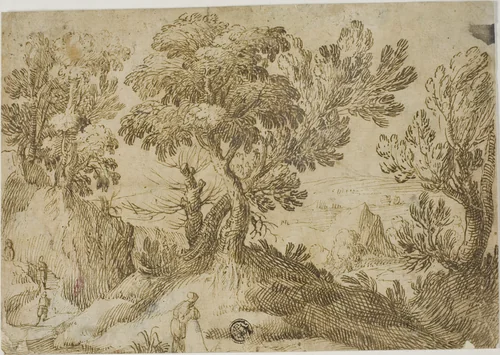
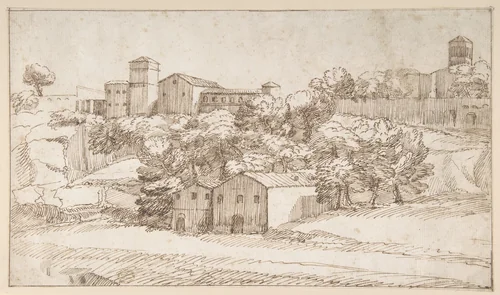
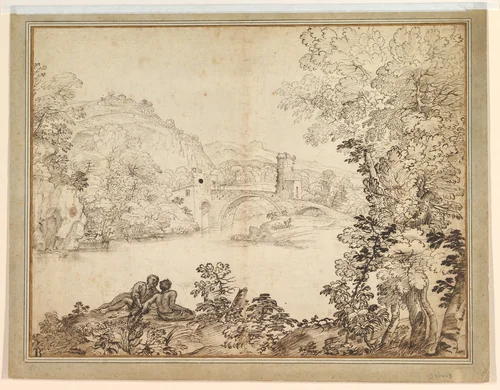
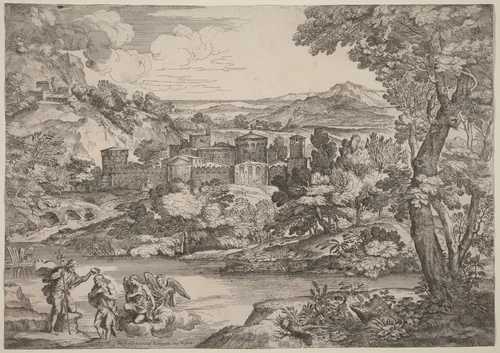
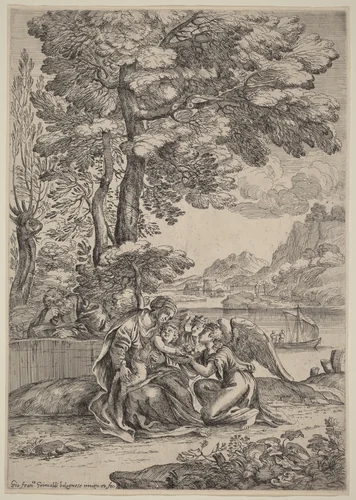
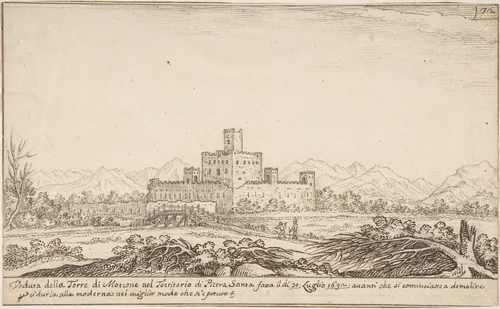
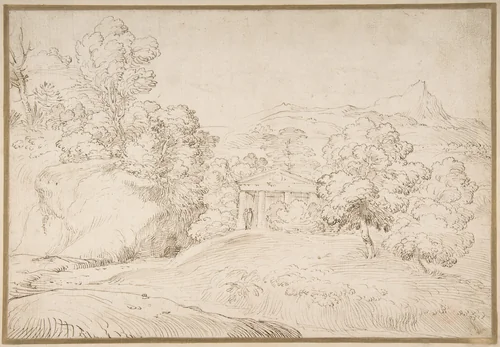
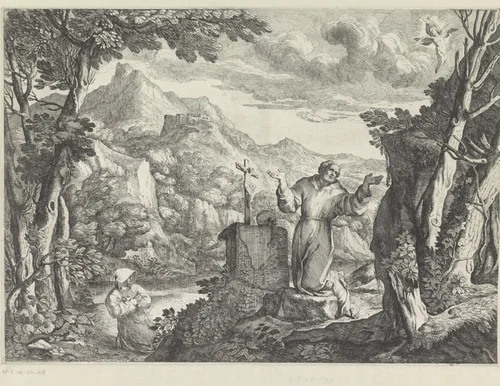
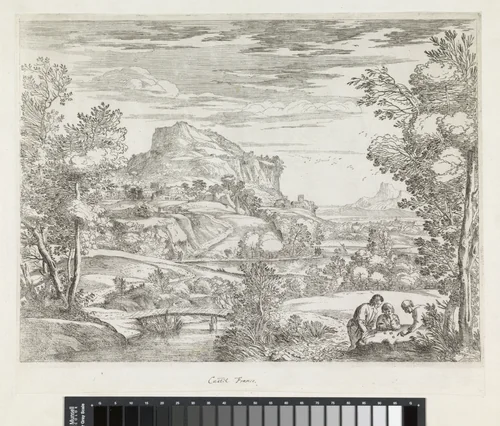
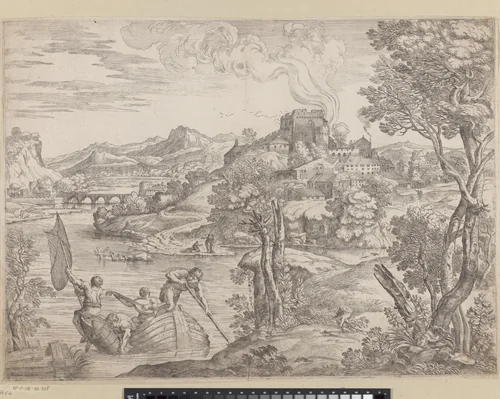
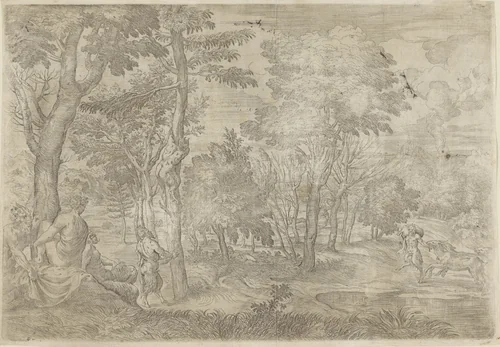
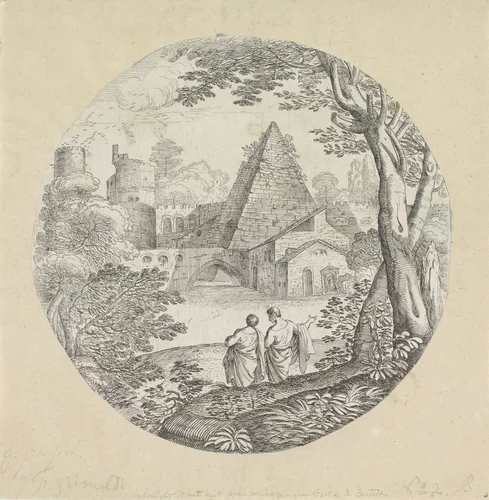
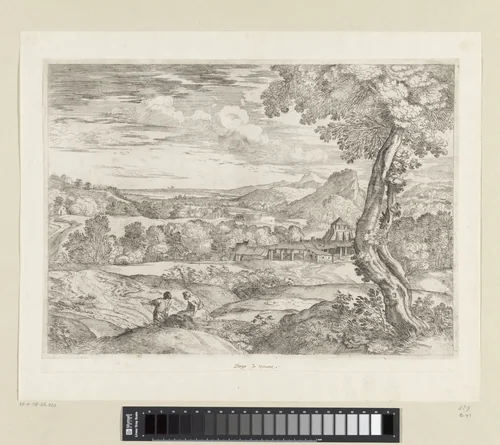
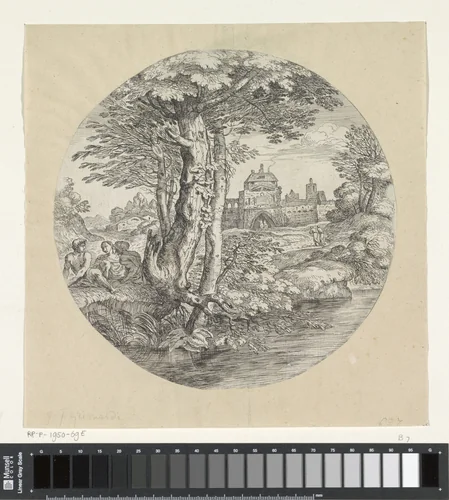
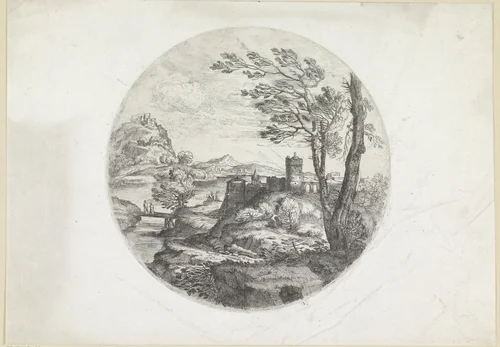
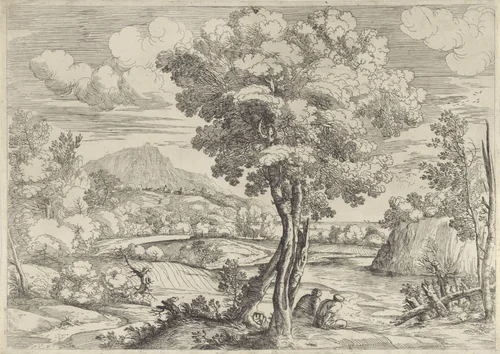
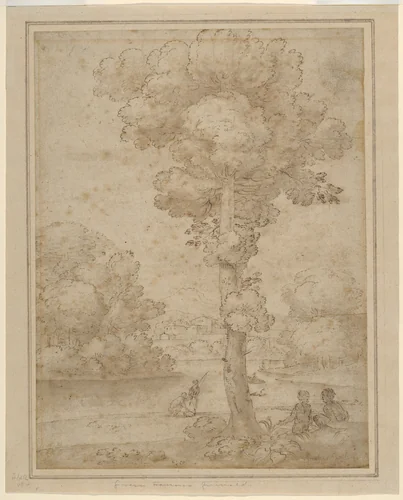
Grimaldi's artistic output was highly varied, incorporating large-scale commissions with a rigorous practice in graphic arts. His surviving works include a significant corpus of prints and detailed drawings, demonstrating his facility for smaller, more intimate compositions. These graphic works often served as studies in light and form, exemplified by meticulous observations like the Landscape Study: Surburbs of Rome. Others seamlessly integrate complex narratives or religious themes into vast outdoor settings, such as The Baptism of Christ, Set in a Mountainous Landscape.
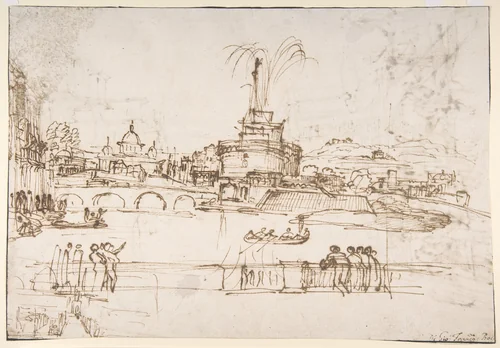
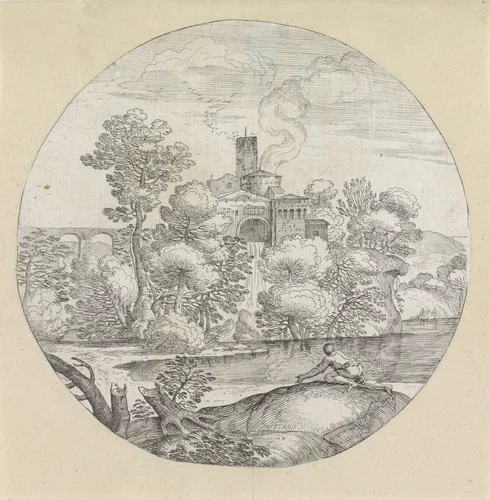
Perhaps the most engaging aspect of Grimaldi’s work is his ability to blend grand classical settings with moments of contemporary urban spectacle. A notable example is the double-sided sheet documenting a significant civic performance: Figures Watching a Display of Fireworks at Castel Sant'Angelo, Rome (recto), balanced by A Distant View of the Fireworks Seen from a Villa Garden (verso). This duality highlights his capacity to capture both the lively immediacy of an event and its spectacle as viewed from a quiet, aristocratic remove.
Today, Grimaldi’s influence is acknowledged through the presence of his drawings and Giovanni Francesco Grimaldi prints in collections like the National Gallery of Art and the Metropolitan Museum of Art. For scholars and connoisseurs seeking museum-quality examples of his graphic legacy, many works are now part of major institutional public domain efforts, making high-quality downloadable artwork accessible worldwide.
Source: Wikipedia · CC BY-SA 4.0