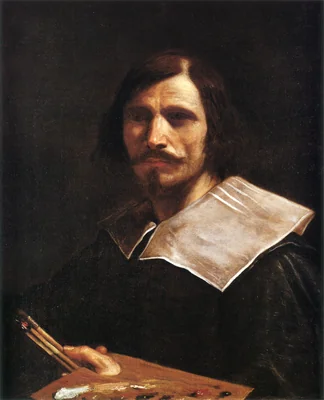
Giovanni Francesco Barbieri
Giovanni Francesco Barbieri, universally recognized by his evocative moniker Guercino (The Squinter), stands as one of the pivotal painters and draftsmen of the Italian Baroque era. Hailing from Cento in the Emilia region, his career successfully bridged the key artistic centers of Rome and Bologna, defining a critical, transitional moment in the Seicento. Guercino’s influence derived from his ability to synthesize highly dramatic lighting with intensely observed naturalism, positioning him as a contemporary giant alongside figures such as the Carracci and Caravaggio.
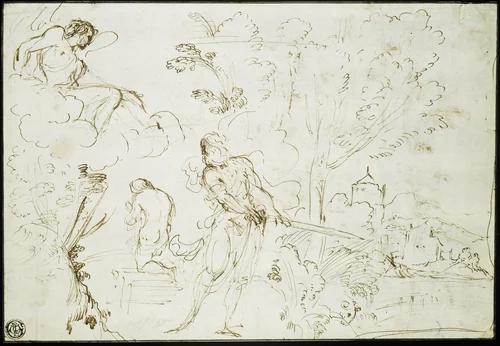
Guercino’s artistic output is distinguished by its pronounced stylistic evolution. His early manner is characterized by a vigorous, almost restless naturalism, prioritizing emotional immediacy and dynamic movement; his preparatory studies, such as Sacrifice of Isaac (recto); Jacob's Dream (verso), capture this initial energy. As his career progressed, particularly following his exposure to the classical traditions in Rome, his style shifted toward a calmer, more structured classical equilibrium, reflecting the broader academic movements of the period. This shift demonstrated remarkable adaptability, cementing his reputation as a master capable of meeting varied patronage demands.
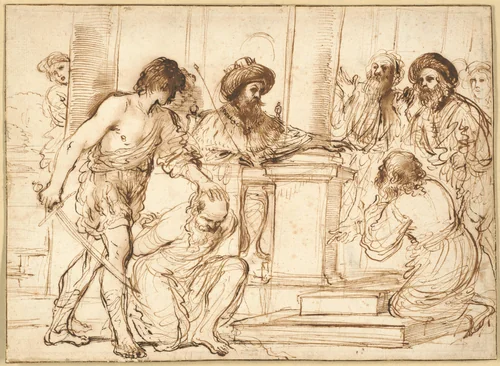
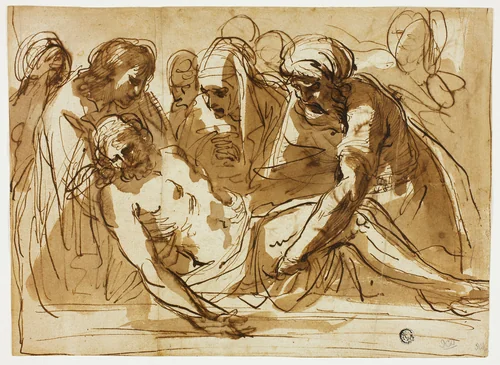
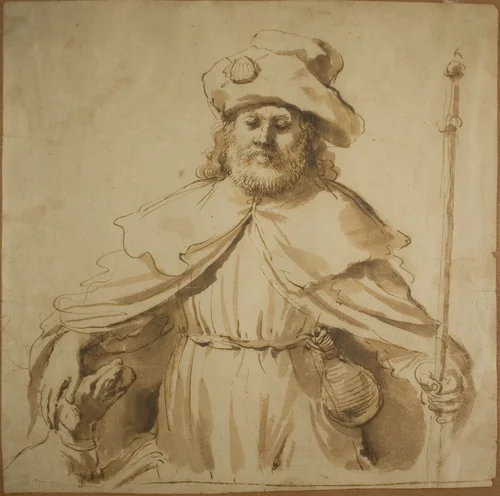
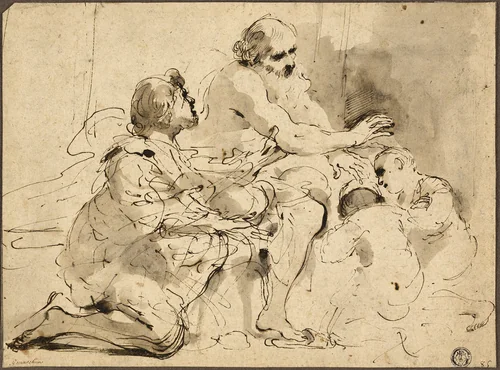
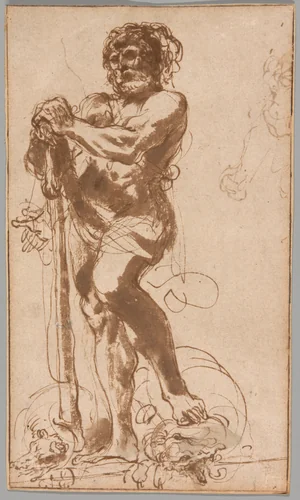
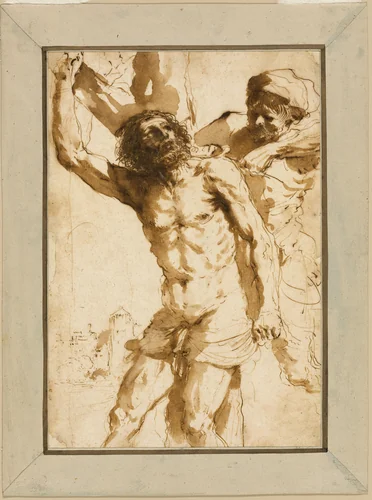
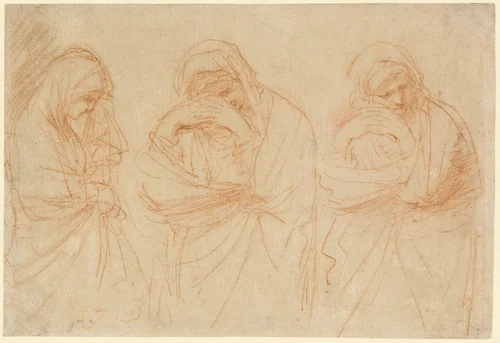
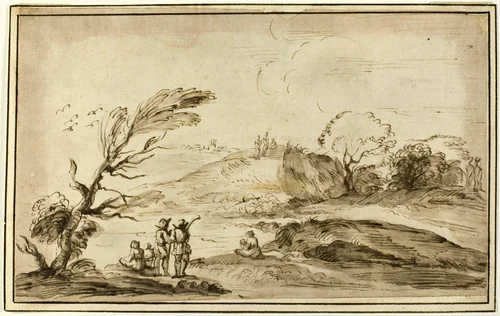
Yet, it is arguably in his exceptional volume of drawings that Guercino’s specific genius is most clearly revealed. These preparatory works and finished sheets, often rendered on both sides, such as Study for Jacob Blessing the Sons of Joseph (recto), are highly regarded for their dramatic luminosity and inherently lively, rapid execution. He possessed a rare skill for translating complex narrative ideas into immediate visual experiences, a talent evident in compositions as varied as the heroic Damon and Pythias and the deeply spiritual Saint Roch. It is worth noting the charming incongruity that a figure known by the playfully irreverent name Guercino should achieve such institutional prominence within the often-austere structure of the Roman Baroque academy.
Guercino’s impact on subsequent generations of Italian artists was profound and enduring. While many of his iconic altarpieces remain central to European museum collections, the meticulous records of his preparatory work offer invaluable insight into his working method. Today, thanks to diligent digitization efforts, a substantial portion of his oeuvre is entering the public domain. The availability of high-quality prints and downloadable artwork of these Giovanni Francesco Barbieri paintings and drawings ensures that his intricate technique and profound narrative power remain readily accessible to scholars and enthusiasts globally.
Source: Wikipedia · CC BY-SA 4.0