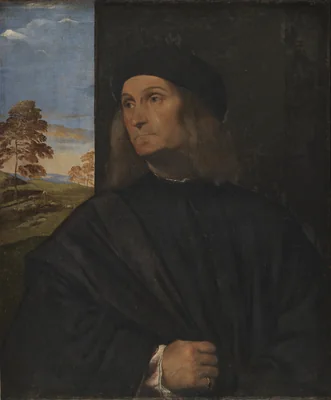
Giovanni Bellini
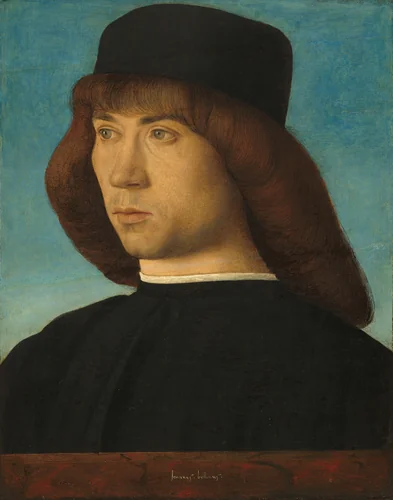
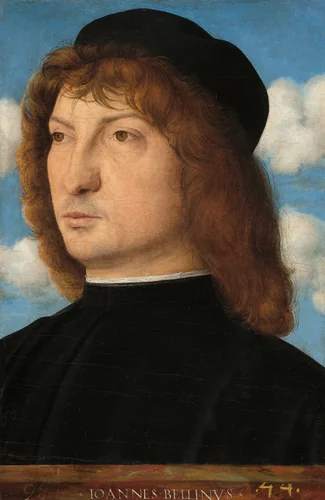
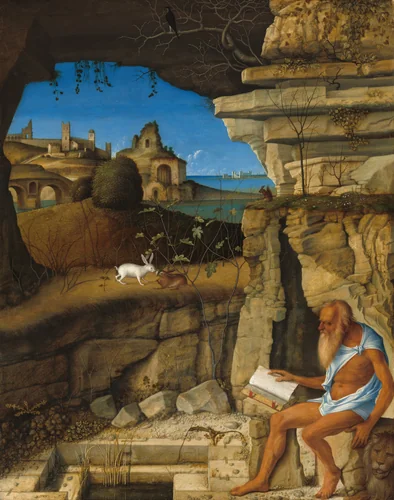
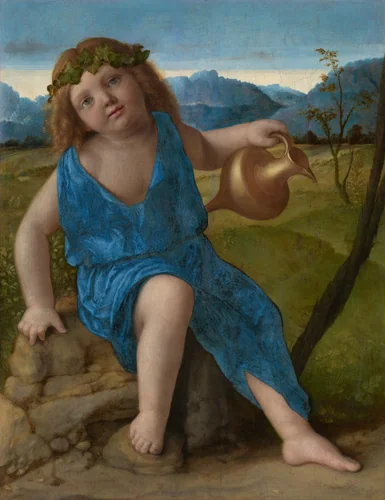
Giovanni Bellini (active 1460-1500) is recognized as the quintessential Italian Renaissance painter who secured the direction and elevated the prestige of the Venetian School. Raised in the Venetian painting household of Jacopo Bellini, who was long thought to be his father, Giovanni developed his artistic practice alongside his older brother, Gentile Bellini. Though Gentile was initially the more celebrated figure during their shared lifetime, it is Giovanni whose artistic innovations had the lasting impact on subsequent generations.
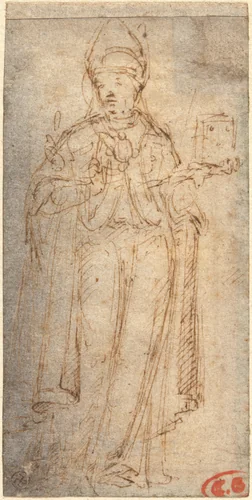
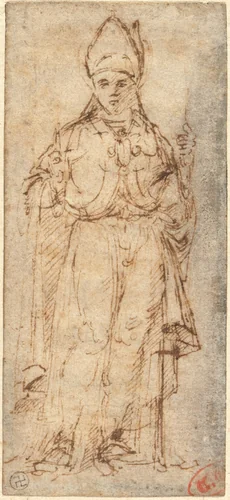
Bellini’s early style was forged in the atmosphere of cross-regional exchange, showing the undeniable influence of his brother-in-law, Andrea Mantegna. This relationship spurred an early focus on sharp, defined forms and precise linear construction, elements visible in deeply devotional works like Saint Louis of Toulouse Holding a Book and Saint Louis of Toulouse Holding a Staff. Yet, Bellini soon moved past the graphic severity favored by Mantegna and the central Italian traditions, pioneering the masterful control of color, light, and atmosphere that defines the Venetian contribution to the High Renaissance.
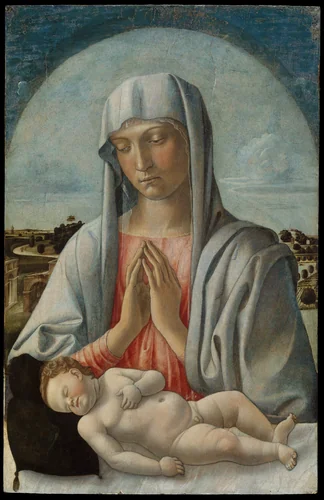
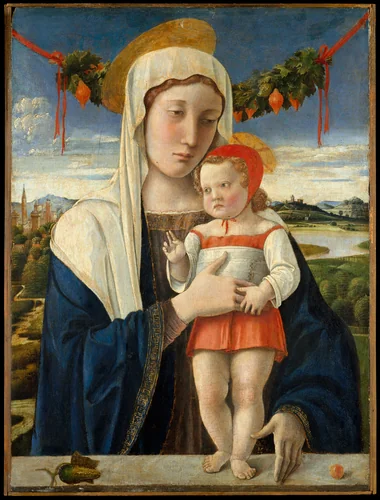
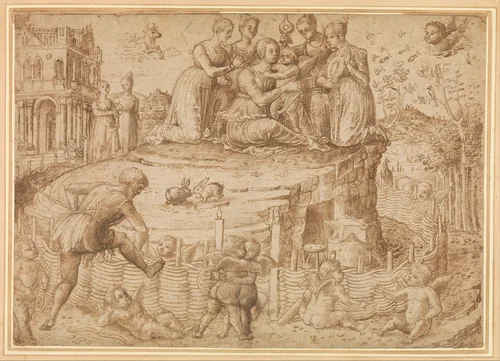
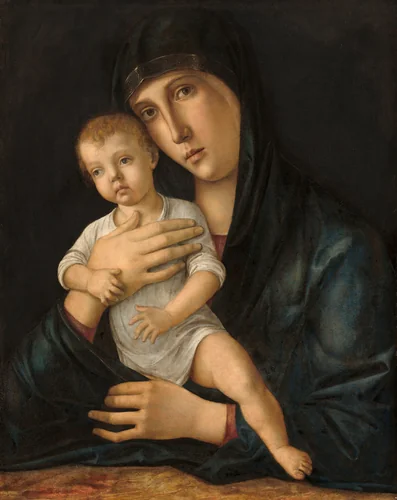
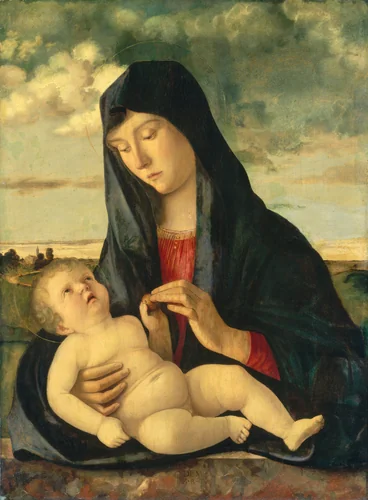
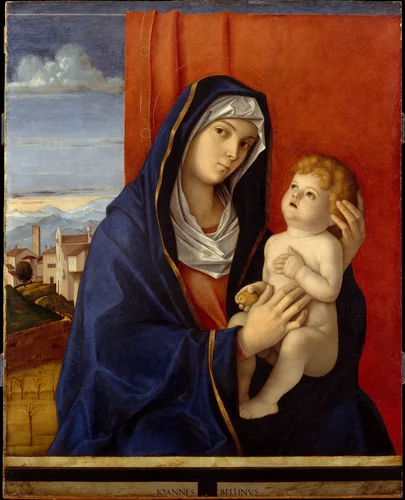
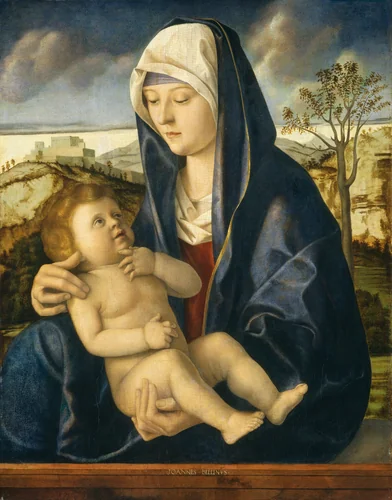
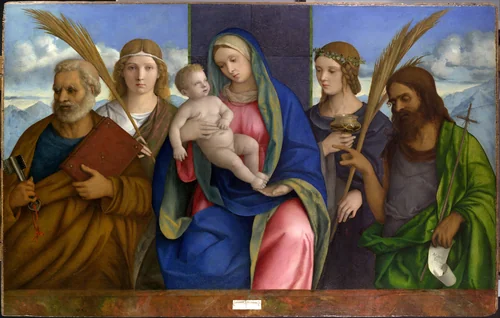
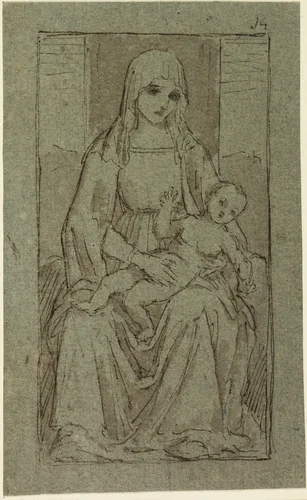
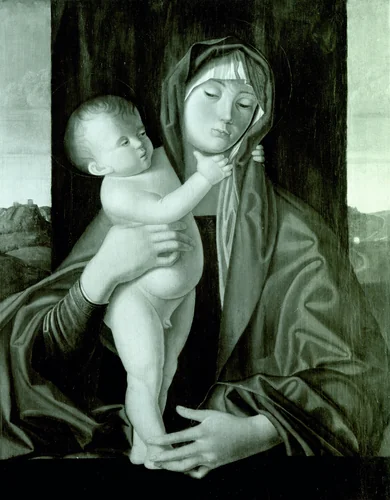
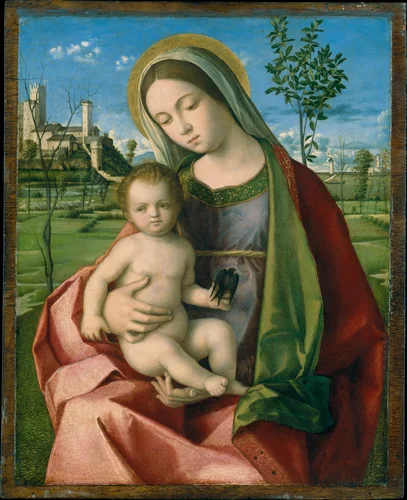
His prodigious output centered primarily on highly sought devotional images, establishing the prototypes for intimate sacred narratives and tender Madonne compositions, such as the evocative Madonna Adoring the Sleeping Child and the simple elegance of Madonna and Child. Simultaneously, Bellini demonstrated a keen facility for complex classical narrative. It is a subtle irony of art history that the artist who perfected the sacred image also delivered such engaging visual drama in mythological scenes, exemplified by the intricate detailing and Olympian domestic discord of Vulcan Building a Fence Around the Mount of Venus.
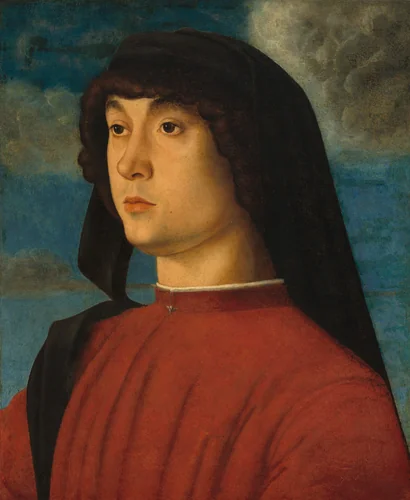
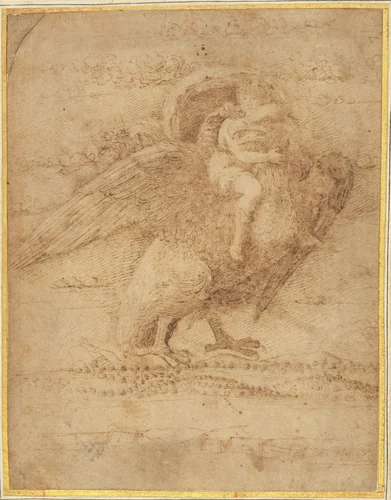
Bellini’s stylistic evolution essentially founded the mature Venetian tradition that would be carried forward by his students, notably Giorgione and Titian. His works, including 11 known Giovanni Bellini paintings and four drawings, are now preserved in the world’s foremost collections, including the Metropolitan Museum of Art and the National Gallery of Art. Due to the historical significance of the artist, many excellent studies of his oeuvre are available in the public domain, granting scholars and enthusiasts global access to museum-quality documentation and high-quality prints.
Source: Wikipedia · CC BY-SA 4.0