Giovanni Battista Vanni
Giovanni Battista Vanni (1520–1642) established himself as a distinguished Italian master whose extensive career spanned the latter half of the Renaissance into the full flowering of the Baroque period. Known both as a painter and an engraver, Vanni contributed significantly to the visual culture of 17th-century Italy, primarily through the graphic arts which allowed for the broad dissemination of complex compositions.
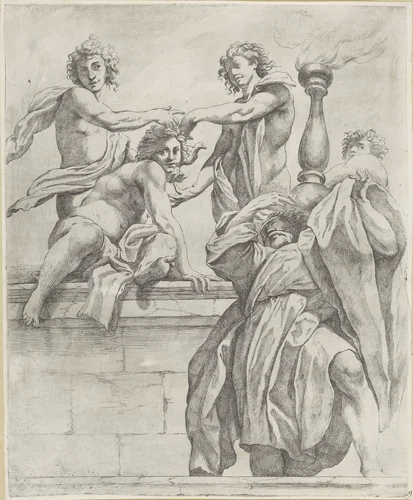
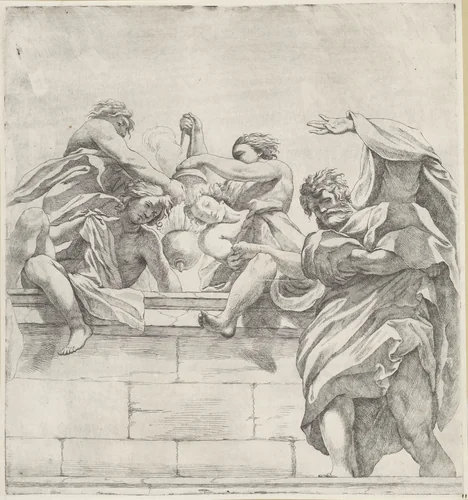
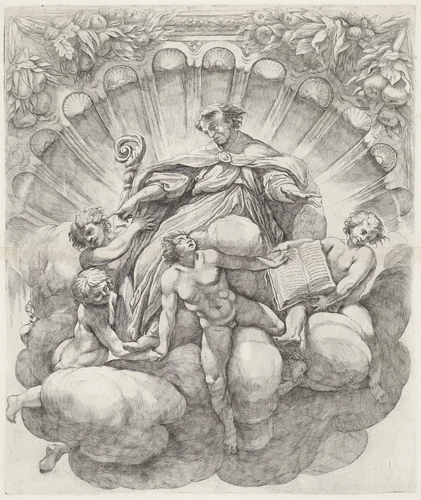
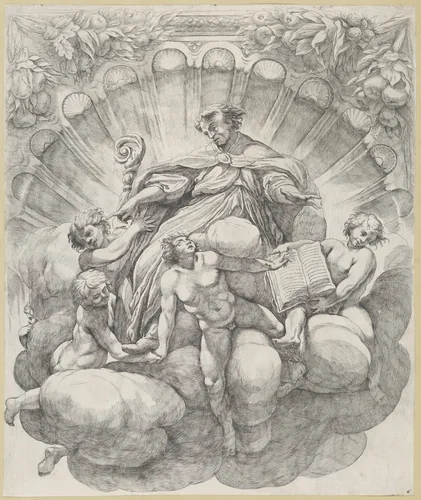
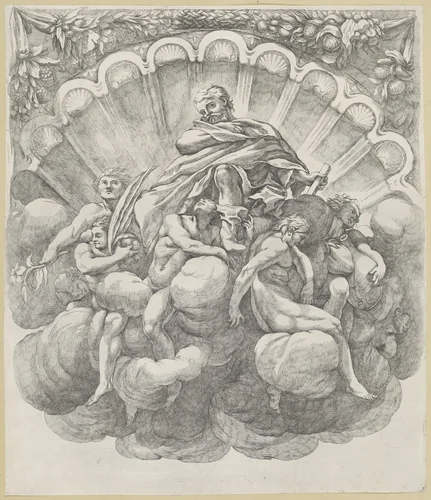
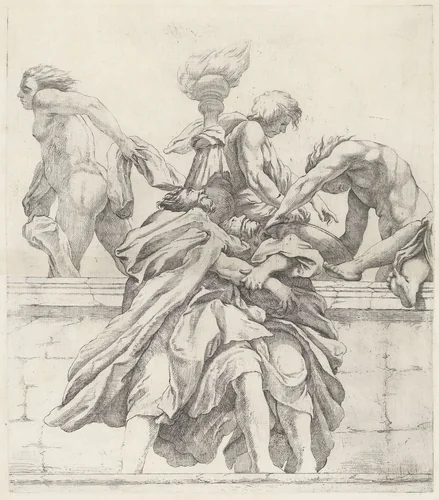
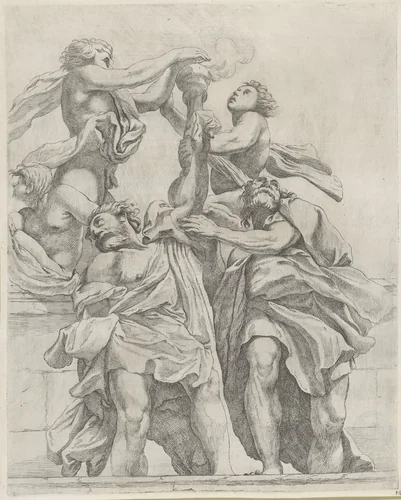
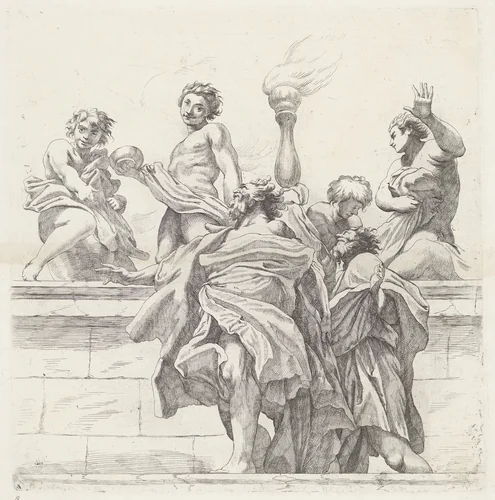
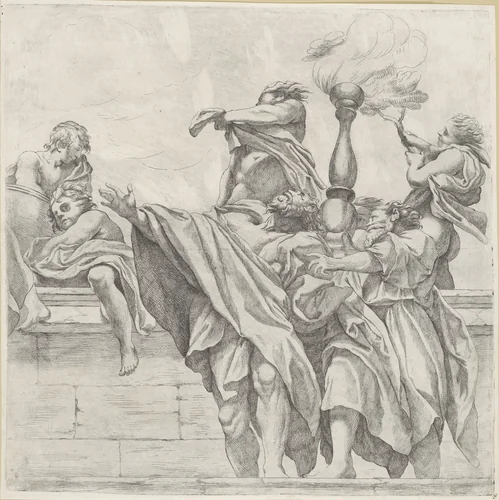
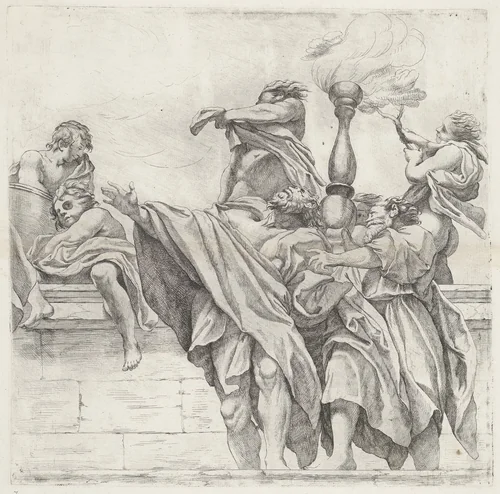
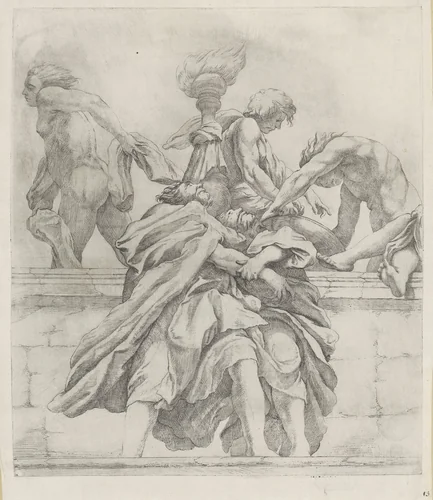
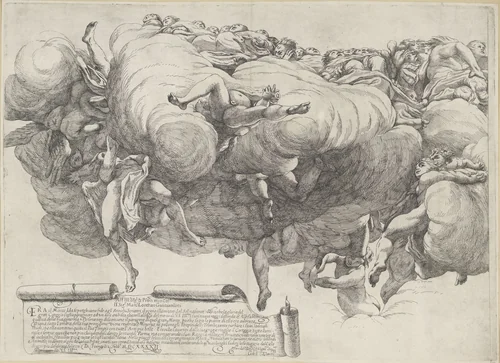
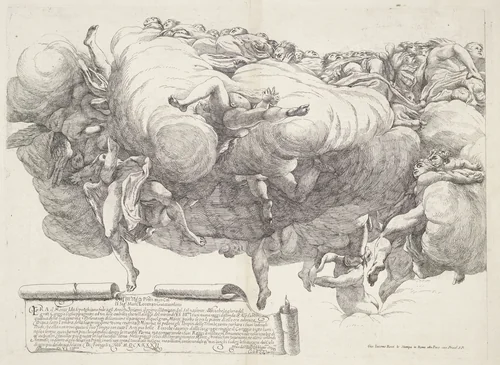
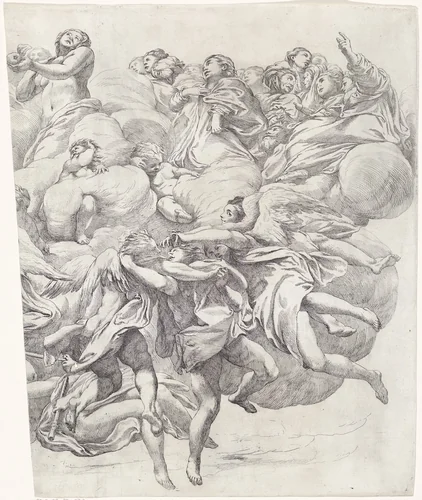
While details concerning his painted oeuvre continue to be refined, Vanni’s enduring legacy rests largely on his sophisticated practice of printmaking. Engraving, in this era, functioned as a crucial medium for documentation, interpretation, and artistic replication. Vanni excelled in translating monumental scenes into the reproducible, intimate format of the print, showcasing a firm grasp of volumetric form and dramatic light characteristic of the Baroque style. Examples held in major international collections, such as the Art Institute of Chicago and the Rijksmuseum, highlight his focus on sacred and devotional imagery, including multi-figure works like Apostel en vier engelen and the ceremonial intensity of Bisschop omgeven door zes engelen.
The sheer longevity of Vanni's active period, stretching well over a century, suggests an artist of remarkable resilience and adaptability, capable of absorbing and responding to successive artistic generations. Although frequently operating in the shadow of more publicized contemporaries, the quality and detail found in Giovanni Battista Vanni prints confirm his technical authority. These works often served as studies or interpretive copies of other masters' paintings, cementing Vanni’s role not just as a creator, but as a critical interpreter within the evolving Italian tradition.
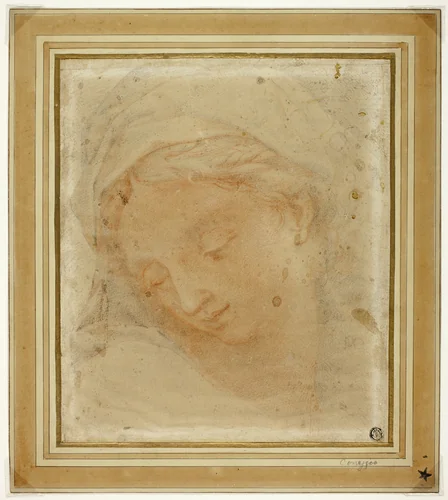
Today, the study of Vanni benefits greatly from the accessibility of his graphic output. The survival of numerous plates and proofs means that these compositions, including the subtle portrait study Woman's Head, remain available for scholarly review. Since many of these fine examples have transitioned into the public domain, collectors and researchers can access high-quality prints for non-commercial use, ensuring that Vanni's contribution as a pivotal, transitional figure in Italian Baroque printmaking continues to be appreciated and studied globally.
Source: Wikipedia · CC BY-SA 4.0