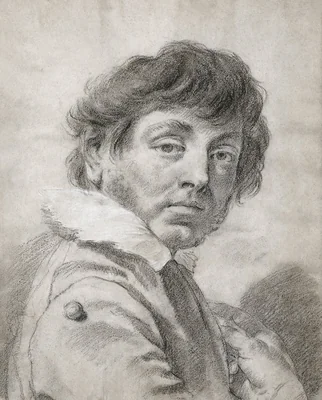
Giovanni Battista Piazzetta
Giovanni Battista Piazzetta holds a significant, if often nuanced, position within 18th-century Venetian painting, establishing himself as a leading figure of the Italian Rococo style. Known primarily for his masterful handling of religious subjects and highly intimate genre scenes, Piazzetta injected a powerful, dramatic realism into the otherwise shimmering aesthetic developing across Venice during the period.
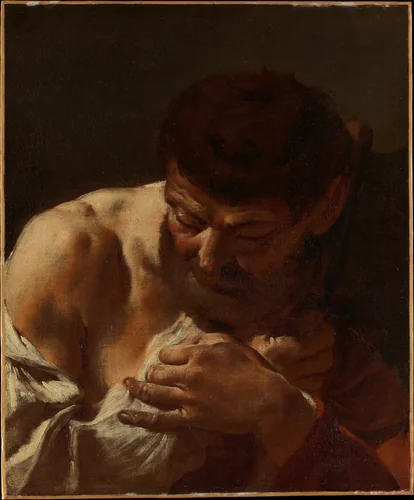
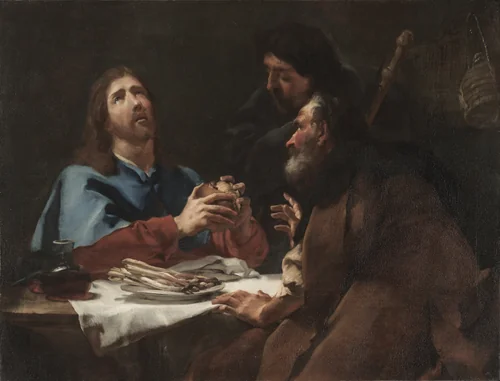
Unlike the high-key, luminous palette preferred by contemporaries such as Tiepolo, Piazzetta cultivated a distinct style characterized by deep, earthy tones and a profound dedication to dramatic chiaroscuro. This commitment to light and shadow lent his figures immense volumetric weight and psychological depth, echoing the gravitas of earlier Baroque masters. One might say that Piazzetta brought genuine introspection to the party, finding the enduring human element in both solemn devotion and everyday activity.
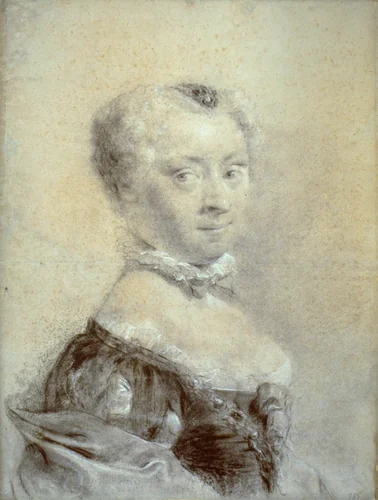
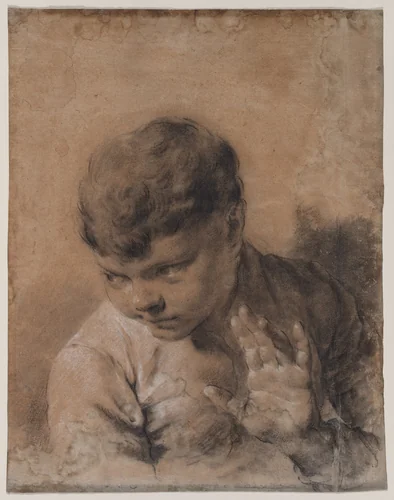
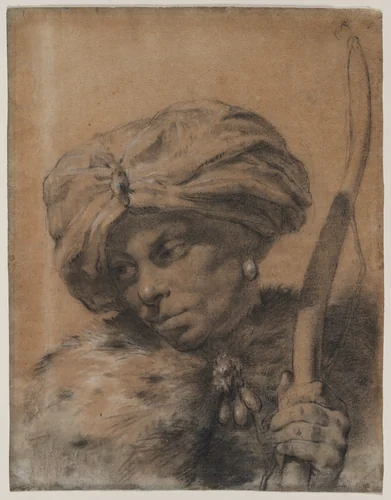
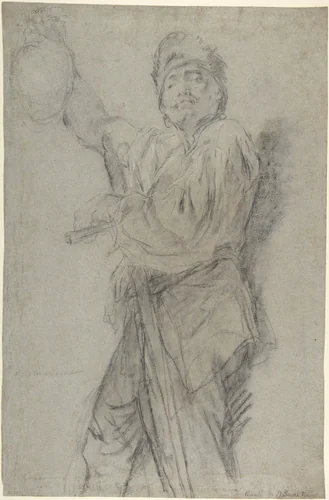
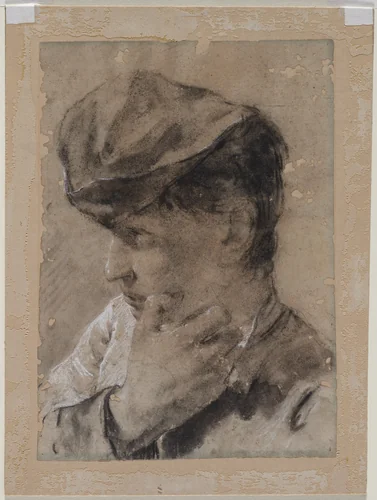
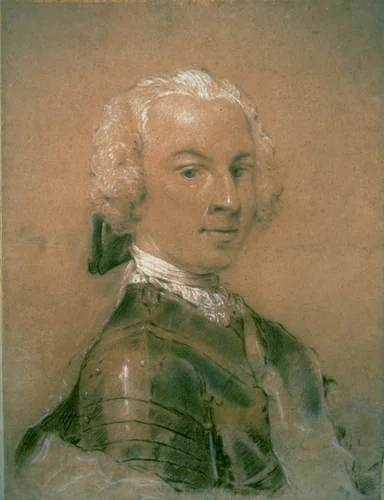
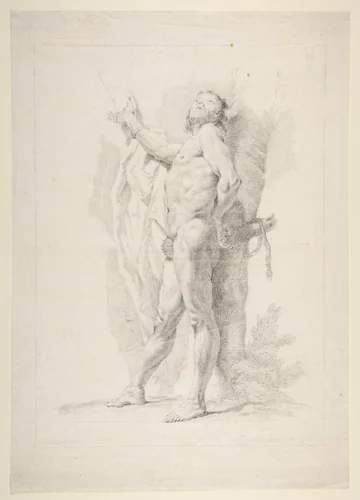
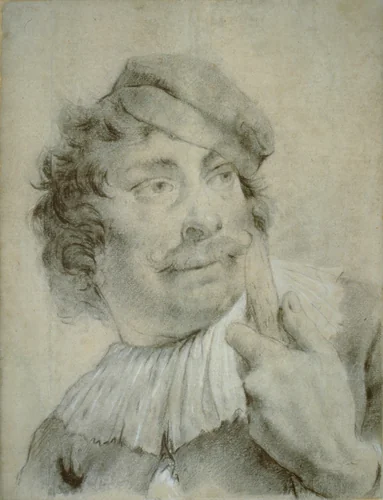
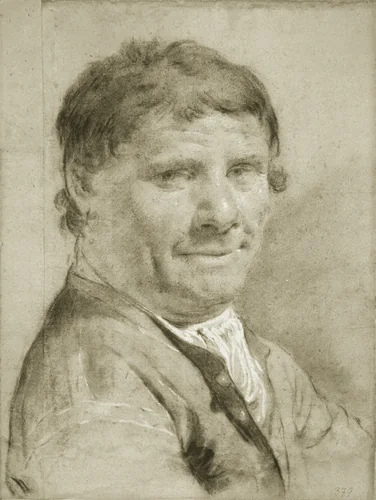
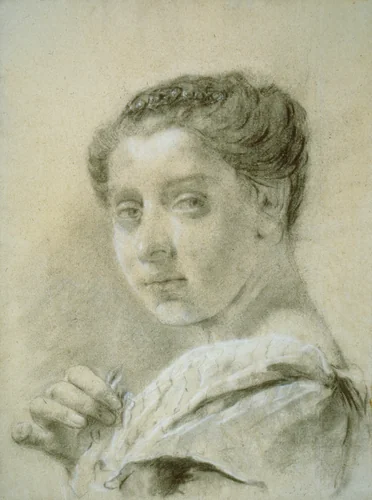
His skill in capturing fleeting expressions and the full complexity of human character is evident across his varied oeuvre. Piazzetta moved seamlessly between official commissions and character studies, demonstrating his draftsmanship in works such as the commanding Portrait of Sophie Juliane von der Schulenburg and the tender A Portrait of the Artist's Son Giacomo. These pieces, along with evocative figure studies like Archer with Turbaned Headdress, exemplify his ability to render nuanced psychological states with remarkable economy and precision.
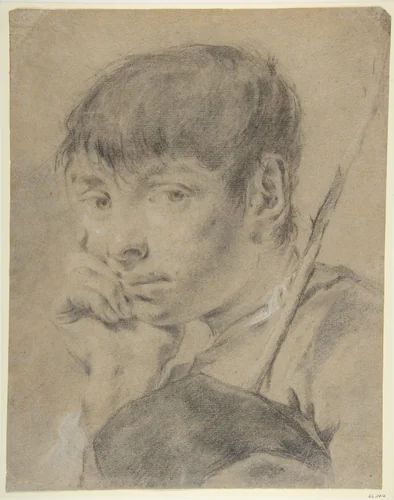
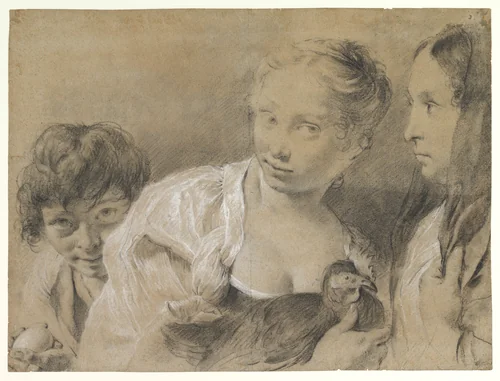
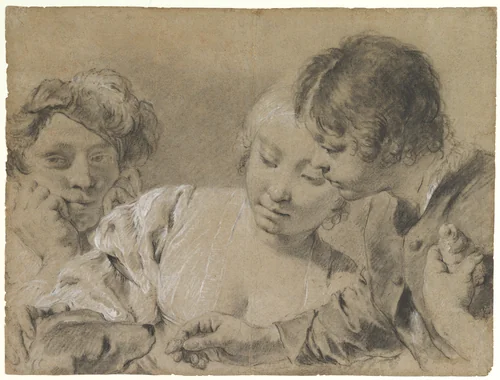
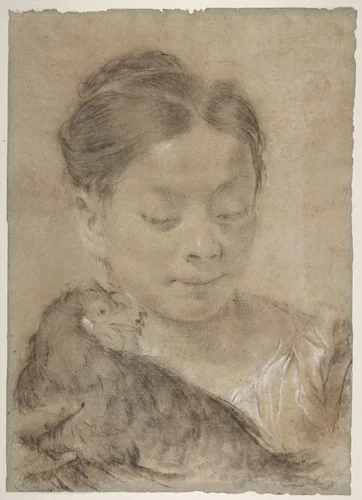
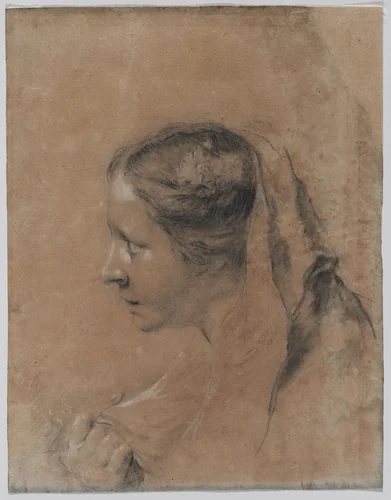
The lasting influence of Piazzetta resides in his drawings, which reveal him as one of the great draftsmen of the Venetian school. These historically valuable works are preserved in major institutional collections, including the Metropolitan Museum of Art and the Cleveland Museum of Art. The accessibility provided by these institutions ensures that high-quality prints of Giovanni Battista Piazzetta paintings and drawings are widely available for scholarship. Though his lifetime output included numerous large-scale religious commissions, it is perhaps his smaller, emotionally resonant genre scenes, such as Boy with an Egg, Girl with a Hen, and a Watching Woman, that remain the most accessible and celebrated today. Much of his powerful drawn oeuvre is now considered public domain, securing this master’s legacy for future generations.
Source: Wikipedia · CC BY-SA 4.0