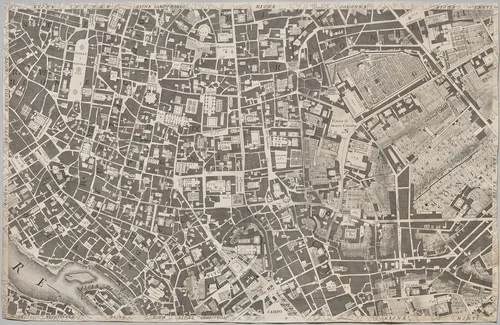
Giovanni Battista Nolli
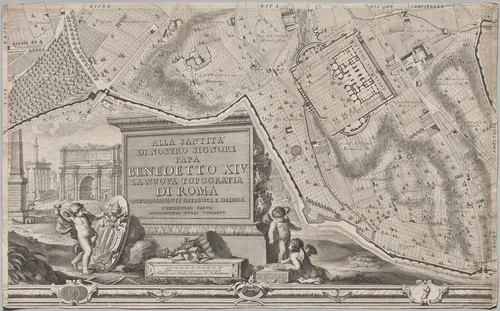
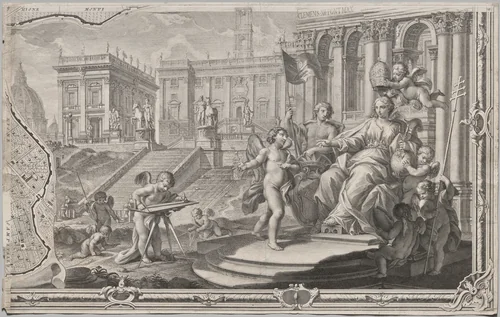
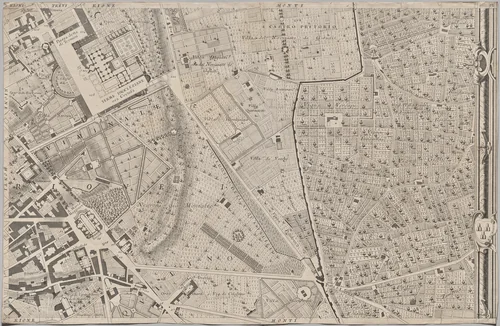
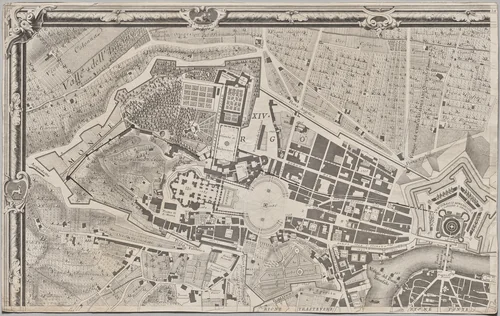
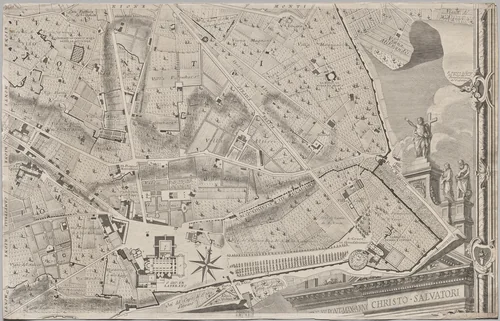
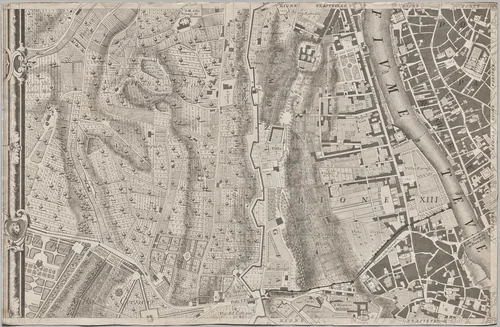
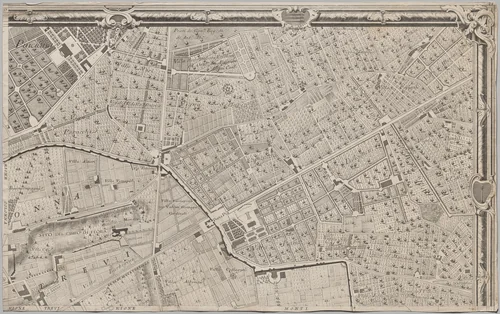
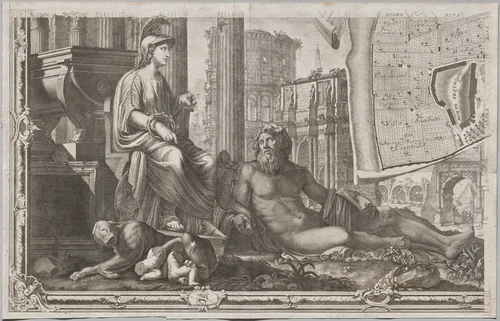
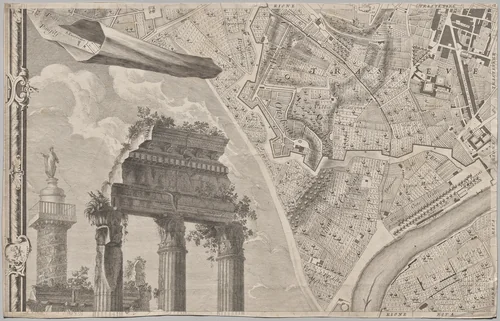
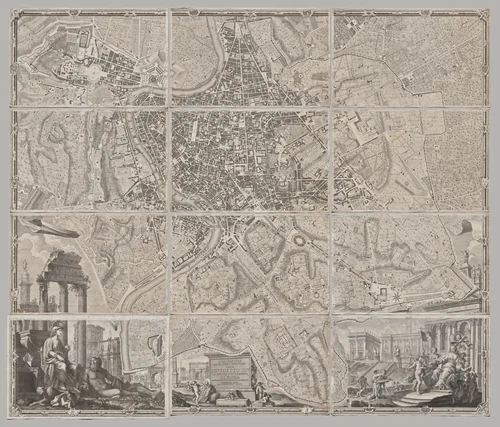
Giovanni Battista Nolli (c. 1701–1756) was an accomplished Italian architect and surveyor whose singular contribution to cartography indelibly shaped the urban history of Rome. He is universally celebrated for the creation of his monumental ichnographic plan, Nuova pianta di Roma data in luce da Giambattista Nolli l’anno MDCCXLVII, more often referred to simply as the Nolli Map or the Pianta Grande di Roma.
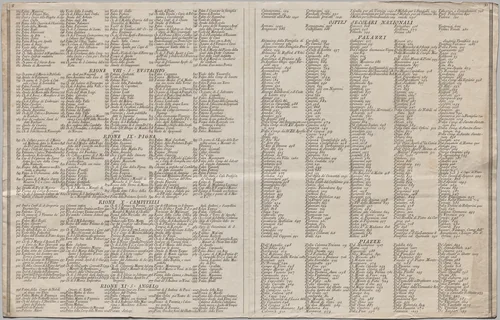
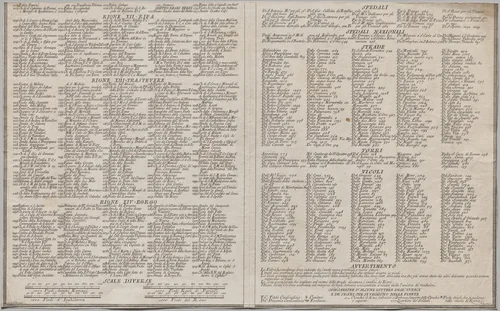
This comprehensive survey, initiated in 1736 and completed by 1748, was the direct result of a significant papal commission authorized by Pope Benedict XIV. The immediate objective was practical: to accurately survey the rapidly expanding city in order to establish clear, fixed demarcations for the 14 traditional administrative rioni (districts). The resulting work was technically masterful and remains the high-water mark of early modern urban documentation.
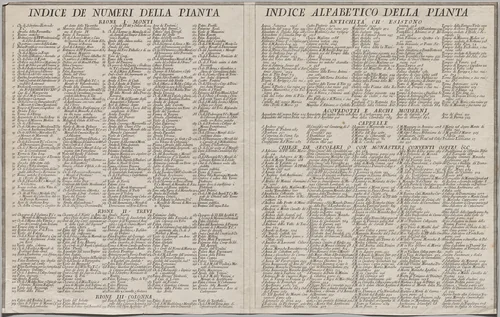
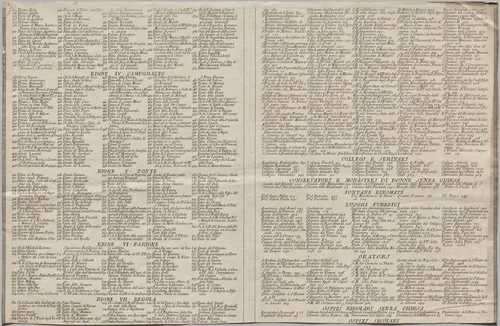
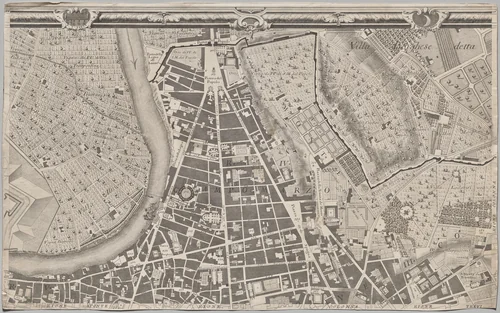
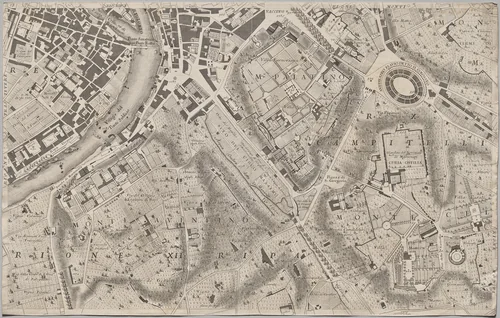
The finished map, engraved across twelve interconnected copper plates, measures an impressive 176 by 208 centimeters when assembled. Nolli’s meticulous methodology utilized an accurate ichnographic ground-plan perspective, distinguishing not just the exterior streetscape but providing detailed floor plans of public buildings, including churches and basilicas, showing them as accessible voids within the otherwise solid urban fabric. This unprecedented level of detail and rigorous accuracy provided by far the most precise description of the Eternal City produced up to that date, created precisely at the zenith of the Papacy's architectural flowering. One might observe that Nolli’s commitment to mapping the city’s interior spaces effectively formalized the way architects and planners would subsequently visualize urban space across Europe.
Nolli’s enduring impact is profound; the 1748 plan continues to serve as a foundational document for urban historians and conservationists studying Rome. Copies of the original editions, which stand as masterpieces of high-quality prints, are preserved in major institutions globally, including the collections of the Cleveland Museum of Art. Due to its historical importance and age, this pivotal work is now largely in the public domain, allowing contemporary scholars and enthusiasts access to high-resolution downloadable artwork for continued study and appreciation of Nolli’s technical genius.
Source: Wikipedia · CC BY-SA 4.0