Giovanni Battista Natali
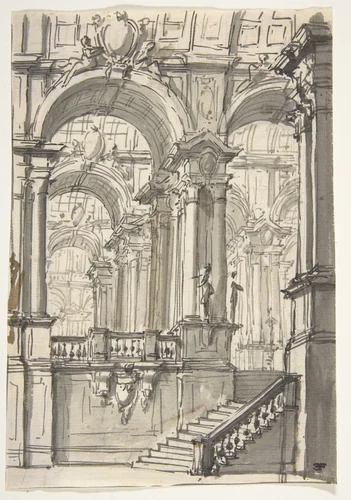
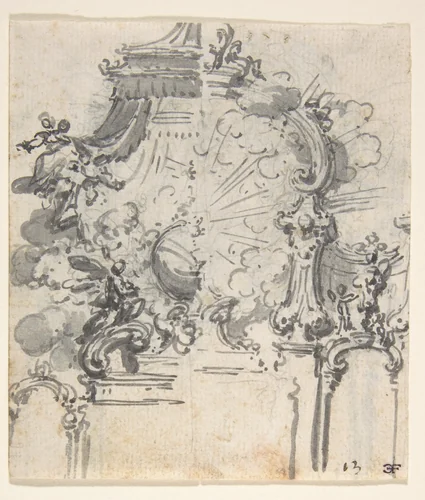
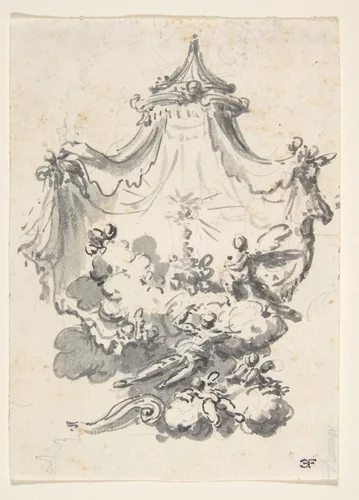
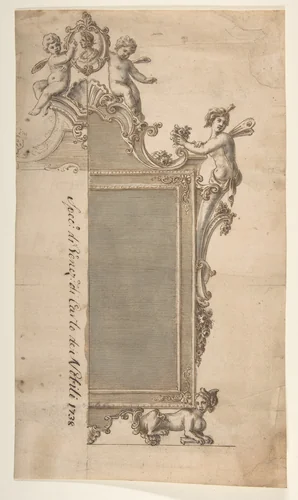
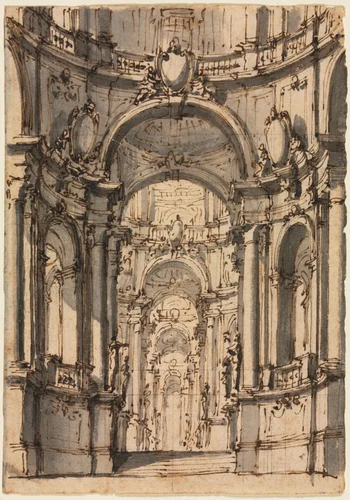
Giovanni Battista Natali (or Ioannes Baptista Natali) was an accomplished Italian painter and draughtsman active during the late-Baroque period, whose career was defined by technical expertise in perspective and an unusually extensive geographical mobility across Italy. Active from at least 1698, his legacy is particularly well-preserved in his detailed architectural and theatrical designs, several examples of which, such as the various Design for Stage Set renderings, are housed in major international collections, including the Metropolitan Museum of Art.
Natali’s professional trajectory was less a fixed position in a major court and more a sophisticated, decades-long grand tour of the peninsula. He established initial activity in the northern centers of Parma and Piacenza, but his documented commissions swiftly took him to the Ligurian coast at Savona, through the Tuscan interior in Lucca, and south to Naples. His final recorded move placed him in Genoa by 1736. This pattern of restless movement required immense artistic adaptability, allowing him to subtly synthesize regional interpretations of the prevalent Baroque idiom while maintaining a signature precision in his own drawing.
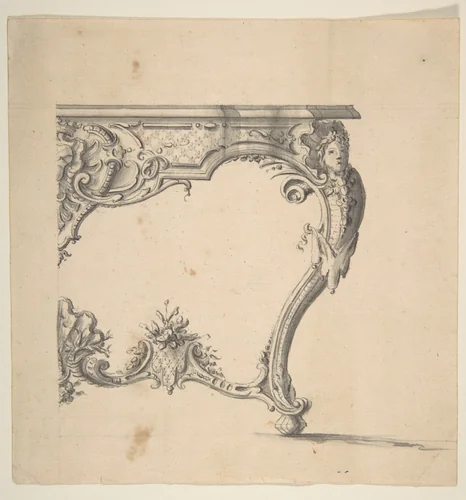
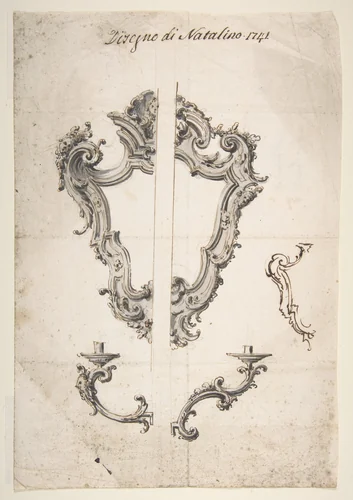
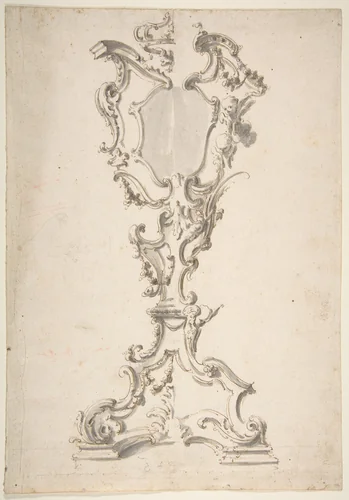
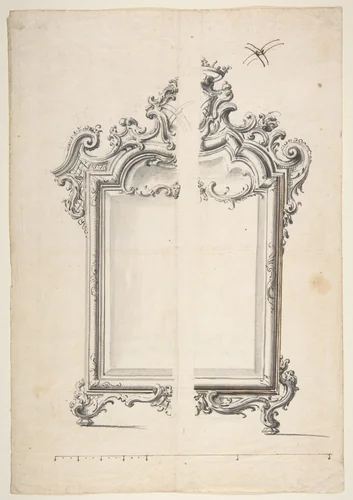
The extant corpus of fifteen known drawings confirms Natali’s specific genius for scenografia and illusionistic space. These theatrical designs are distinguished not merely as sketches, but as precise architectural visualizations demonstrating complex, receding perspectives essential for contemporary opera and drama. They are, in essence, high-quality prints for performance planning. While his reputation rests heavily on these meticulously engineered drawings, historical accounts confirm Natali’s concurrent role as a painter, producing Giovanni Battista Natali paintings for both institutional and private patrons throughout his itinerant career.
For art historians, these works offer indispensable documentation of the ephemeral visual culture of the early 18th-century theater. His technical prowess ensures that reproductions of his work retain high fidelity; consequently, much of his contribution has been rendered into the public domain. This accessibility allows for the wide distribution of museum-quality images and downloadable artwork. Today, Giovanni Battista Natali prints and studies of his architectural thought are available globally, ensuring that his sophisticated contributions to Italian design history are readily appreciated.
Source: Wikipedia · CC BY-SA 4.0