Giovanni Battista Moroni
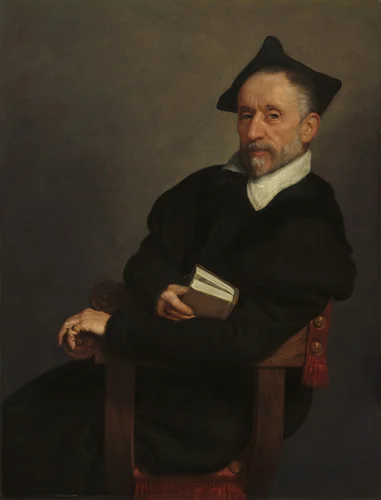
Giovanni Battista Moroni (c. 1520/24–1578) stands as one of the most compelling and nuanced portraitists of the Italian Cinquecento (the sixteenth century). Active primarily in his native region of Bergamo between 1544 and 1575, Moroni skillfully navigated the stylistic currents of the late Renaissance. While trained within the prevailing influence of the Venetian school and the evolving aesthetic of Mannerism—which often favored dramatic invention and idealized forms—Moroni established a reputation defined by quiet observation and striking psychological immediacy. He is universally acclaimed today not just for the technical finish of his paintings, but for the profound realism embedded in his canvases.
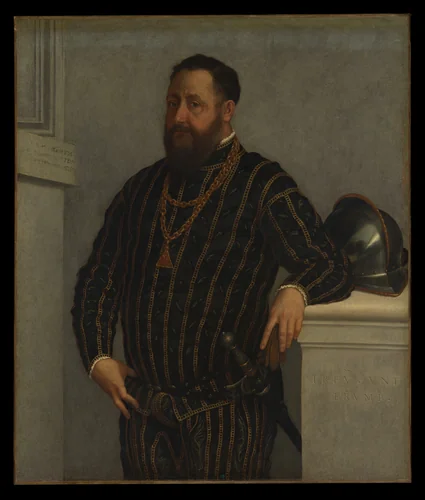
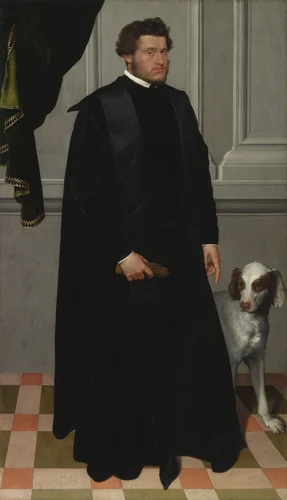
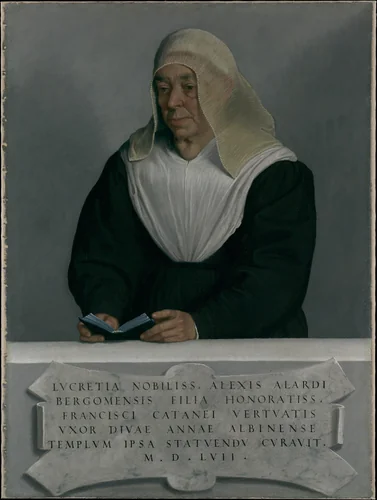
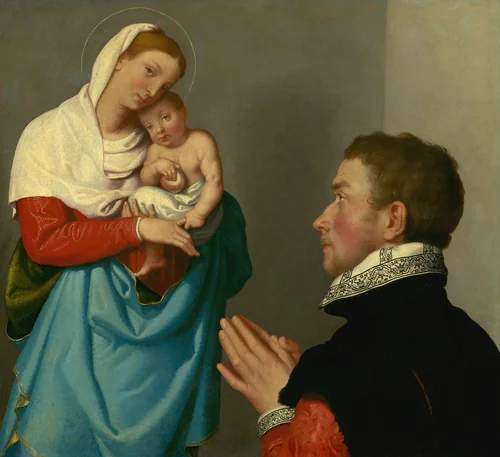
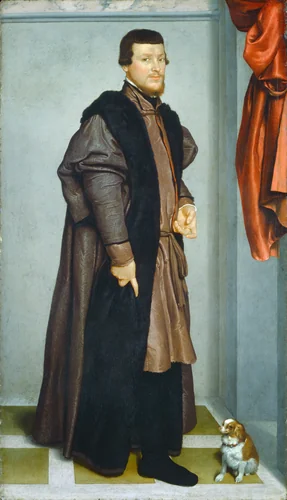
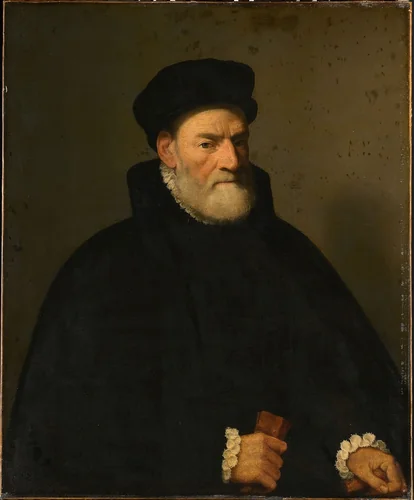
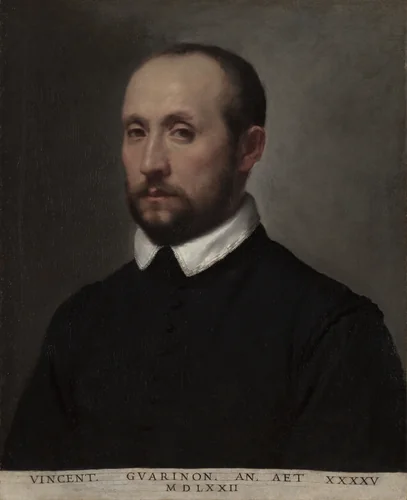
Moroni specialized almost exclusively in portraiture, capturing the local aristocracy, professional class, and high clergy with an elegant veracity that anticipated later developments in European painting. Unlike the highly allegorical or mythological compositions favored elsewhere in Italy, Moroni’s works are grounded in the specific, tangible details of contemporary life, costume, and character. His subjects, such as the refined depiction of Gian Lodovico Madruzzo or the sensitive portrayal of Lucrezia Agliardi Vertova, appear less as idealized symbols and more as individuals paused mid-thought. Indeed, the consistent sense of accessible humanity in his portraits suggests Moroni was perhaps more attuned to the shifting social dynamics of his patrons than to the formal, academic demands of the great Renaissance masters.
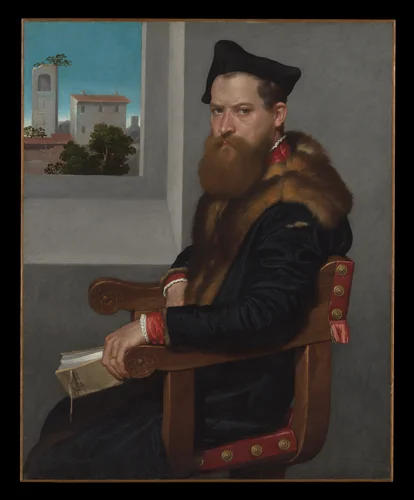
Moroni’s sustained dedication to the truthful rendering of personality secured his legacy as one of the great portrait painters of his era. His focus on the sitter's individual presence, exemplified in works like Portrait of a Man and Bartolomeo Bonghi, ensures his continued importance for art historians examining the shift from formal court portraiture to individualized expression. Today, key examples of these Giovanni Battista Moroni paintings reside in leading international institutions, including the National Gallery of Art, the Cleveland Museum of Art, and the Art Institute of Chicago. As many of these renowned images have entered the public domain, they offer scholars and enthusiasts access to high-quality prints and reproductions of the artist’s deeply observed output.
Source: Wikipedia · CC BY-SA 4.0