Giovanni Battista Galestruzzi
Giovanni Battista Galestruzzi (1618–1677) was a consequential Italian painter and etcher active during the mid-seventeenth century, a period defined by the dramatic flourish of the Baroque. Born in Florence, Galestruzzi received his initial instruction under Francesco Furini, grounding him in the Florentine tradition of strong figure drawing and intense, emotive compositions.
His career trajectory shifted decisively when he relocated to Rome, the undisputed center of artistic patronage and scholarly activity. Galestruzzi’s assimilation into the Roman milieu was confirmed in 1652 when he was accepted into the prestigious Accademia di San Luca. While initially trained as a painter, he distinguished himself primarily as an exceptionally skilled etcher, a medium vital for the dissemination of visual culture across Europe. This technical prowess suggests a strong studio practice; the later Roman engraver Giovanni Francesco Venturini is generally acknowledged to have been his pupil.
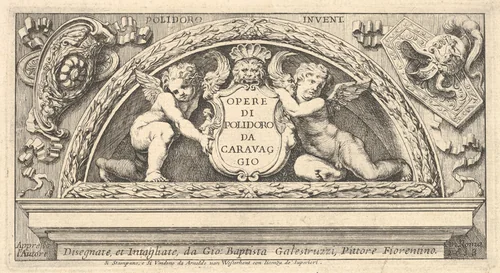
Galestruzzi’s command of the needle made him indispensable for collaborative ventures. His most notable commission involved providing numerous plates for Leonardo Agostini’s monumental archaeological catalogue, Le gemme antiche figurate (1657–1659). This work, focused on rendering ancient engraved gems, was crucial in defining Classical iconography for artists and collectors alike. It is perhaps a telling sign of the era's fierce appetite for antiquity that an accomplished figurative artist would dedicate significant time to translating minute, detailed relics into museum-quality prints.
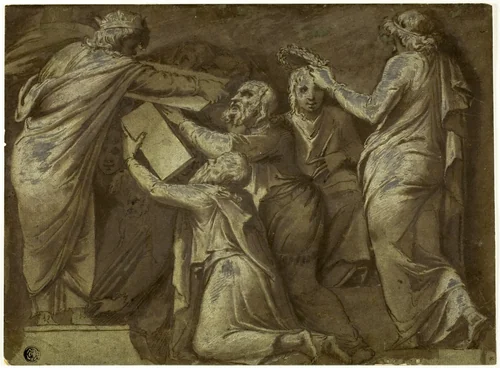
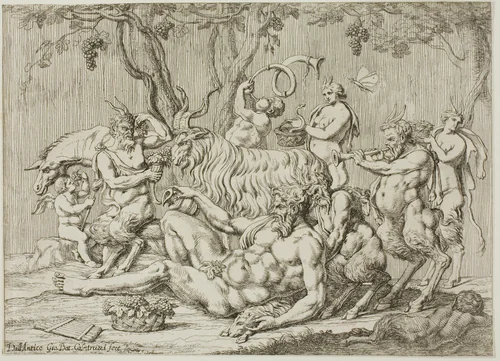
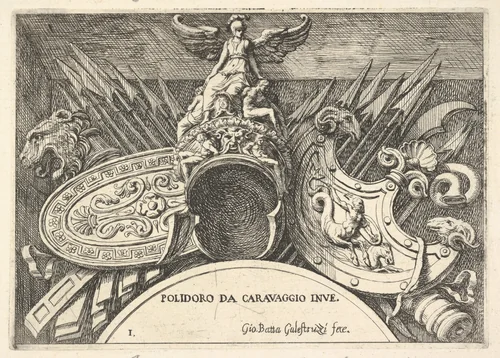
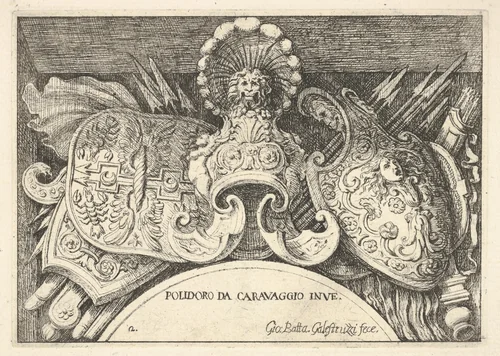
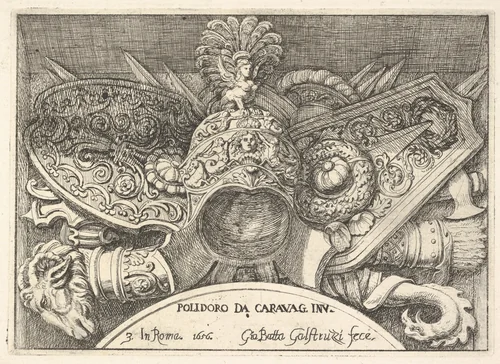
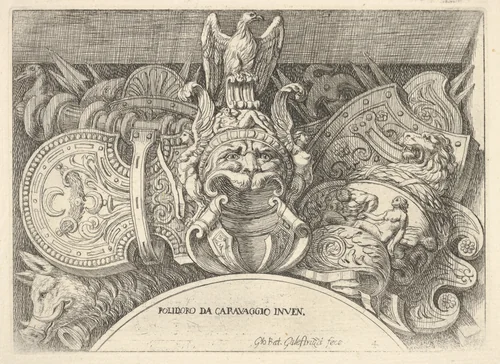
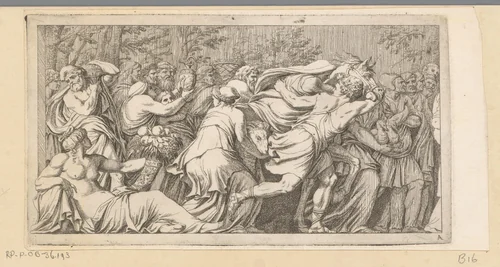
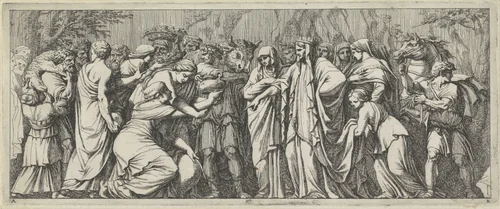
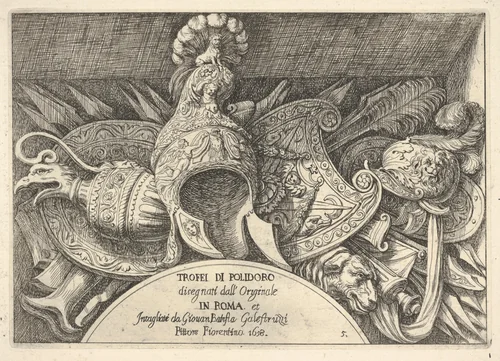
His documented output, spanning his active period from 1635 to 1658, reveals a consistent mastery across disparate themes. He executed grand historical narratives such as Numa Pompilius Giving the Laws to the Romans, and equally vibrant mythological pieces like Silenus Reclining with Goats and Satyrs. He also contributed meticulously detailed architectural studies, exemplified by his plate documenting the trophies of Roman arms from the Palazzo Milesi. Today, the high-quality prints and drawings of Giovanni Battista Galestruzzi are housed in major international collections, including the Rijksmuseum and the Metropolitan Museum of Art, with many works now accessible as downloadable artwork in the public domain.
Source: Wikipedia · CC BY-SA 4.0