Giovanni Battista Fontana
Giovanni Battista Fontana (1524-1587) stands as a pivotal figure in mid-16th century Italian graphic arts, recognized both as a painter and, more enduringly, as a master engraver. Active primarily across Verona and Venice, his career spanned the critical transition between High Renaissance ideals and the deliberate elongation and complexity characteristic of Mannerism. It is through his copperplate engravings that Fontana’s technical prowess and stylistic inclinations are most clearly evidenced, providing invaluable insight into visual culture during the Counter-Reformation.
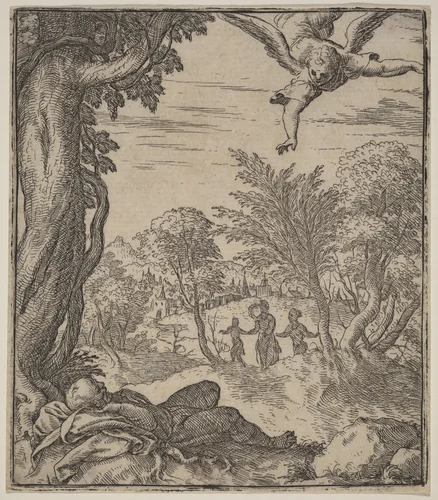
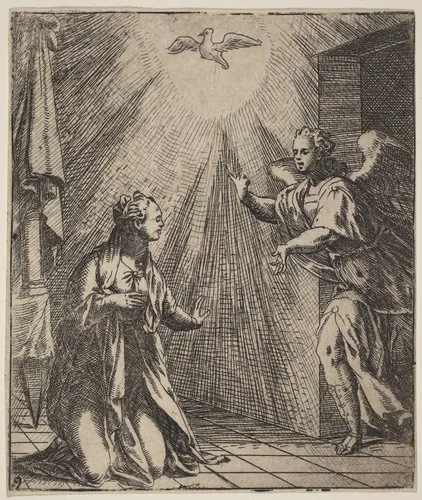
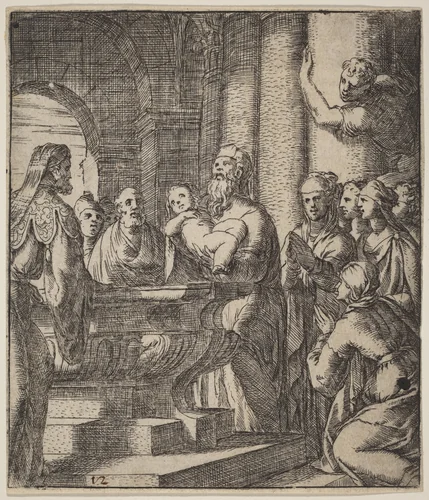
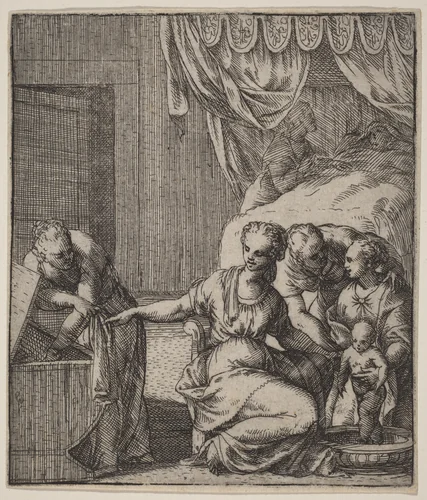
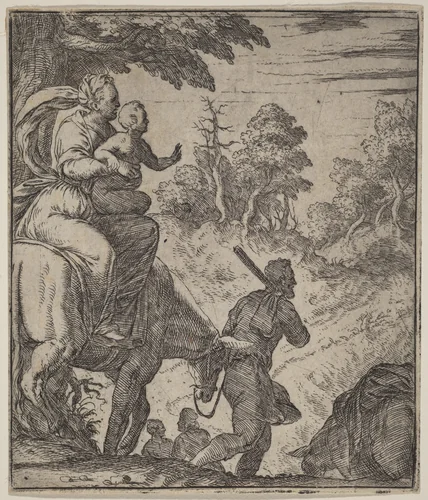
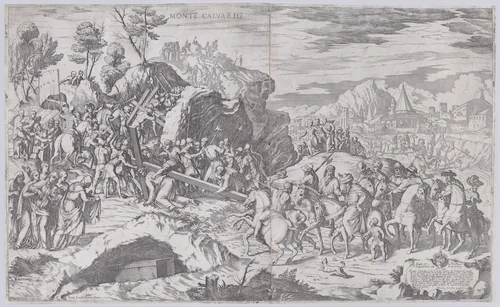
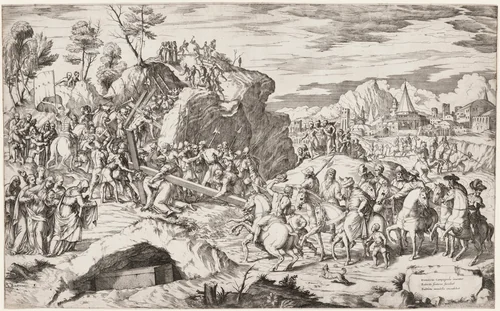
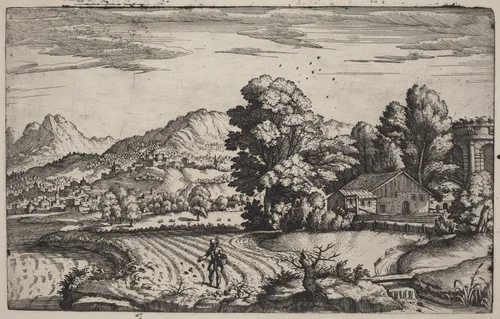
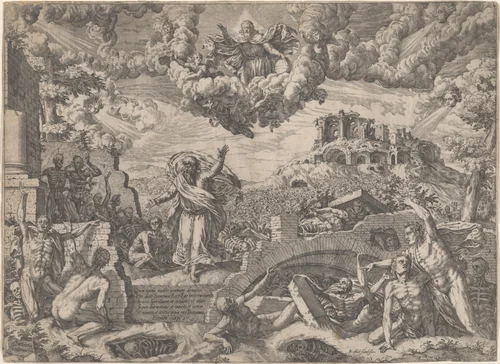
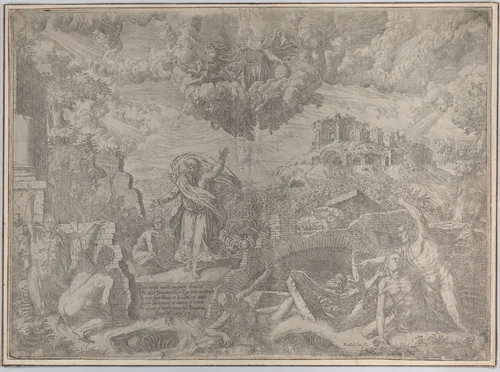
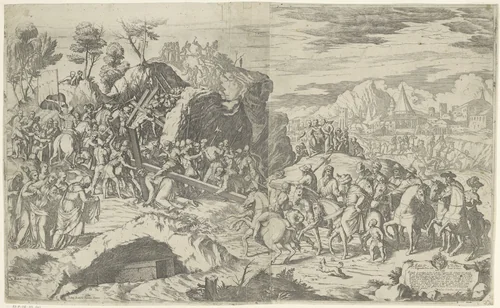
Fontana’s graphic work typically addresses dramatic biblical narratives and devotional themes. His compositions are characterized by a careful balance of crowded figures and deeply articulated architectural settings, lending an aura of controlled drama to subjects such as The Birth of the Virgin and the tender, yet formal depiction of The Angel Appearing to Joseph. He possessed the highly demanding technical ability necessary to translate the broad strokes of painting into the exacting, reproducible language of line. This mastery is why surviving Giovanni Battista Fontana prints are universally admired for their crispness and detail. His portfolio of known prints includes eleven distinct works detailing fundamental New Testament scenes, including the dramatic handling of The Annunciation and the fluid movement captured in The Flight into Egypt.
The 16th century was the golden age of print dissemination, and Fontana’s output provided critical visual resources that circulated throughout Europe. His decision to focus heavily on the print medium effectively leveraged emerging printing technologies to maximize his influence; a subtle but important reminder that even in the Renaissance, artists understood the power of visual reproducibility.
Today, Fontana’s legacy is preserved in institutional holdings globally, underscoring his museum-quality execution. Collections such as the Rijksmuseum, the Metropolitan Museum of Art, and the National Gallery of Art maintain substantial groups of his works. Due to the nature of graphic arts and the print cycle, many of these images are now considered public domain resources, allowing scholars and enthusiasts continued access to his distinctive contribution to late-Renaissance Italian art.
Source: Wikipedia · CC BY-SA 4.0