Giovanni Battista Foggini
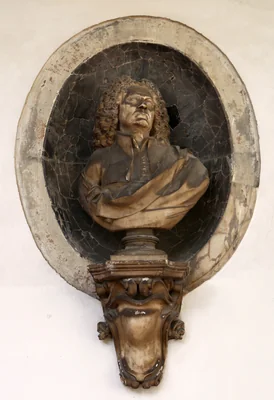
Giovanni Battista Foggini (Giambattista) established himself as a central figure in late seventeenth-century Florentine artistic production, a period defined by the refined taste of the Medici court. Active beginning around 1652, his primary significance derives from his exceptional status as an Italian sculptor renowned mainly for small bronze statuary. Unlike artists focused solely on massive public monuments, Foggini specialized in works where technical mastery and intimate scale superseded bombast, demonstrating his extraordinary ability to distill the dramatic energy of the Baroque into miniature, highly refined forms.
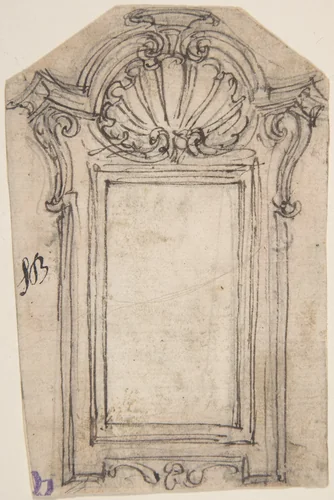
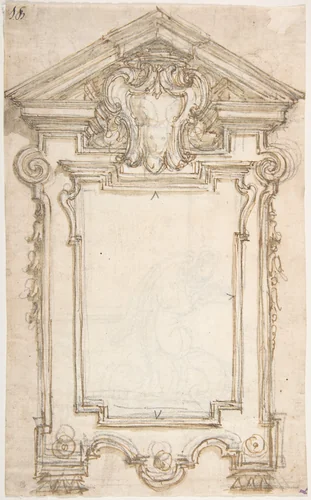
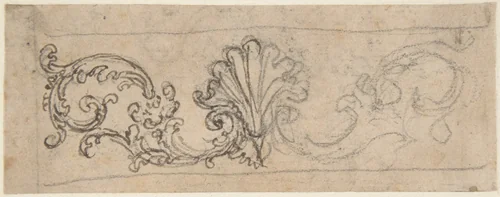
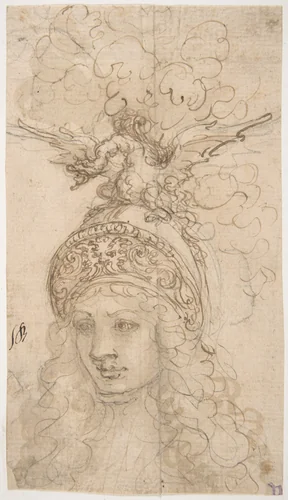
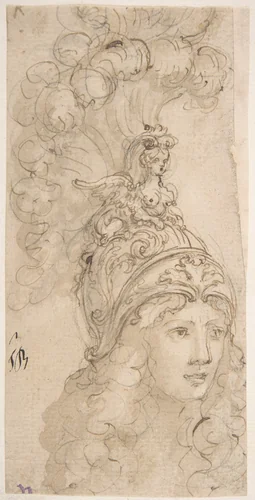
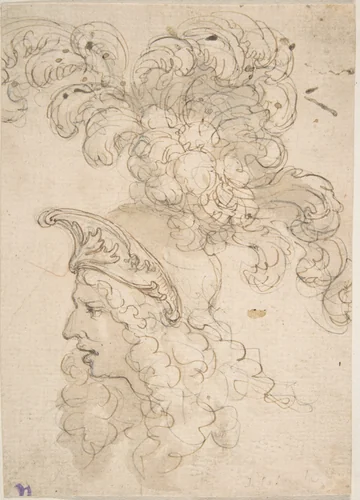
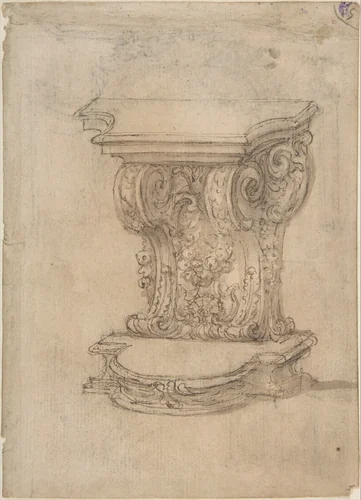
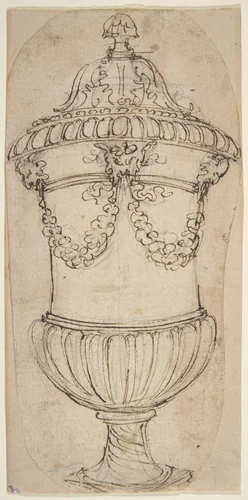
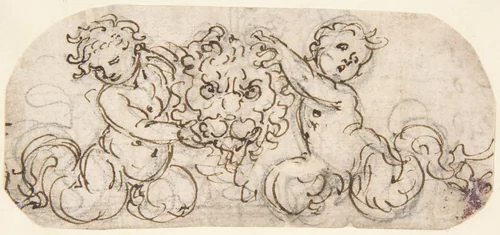
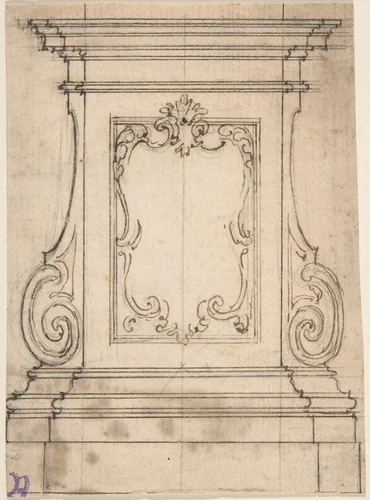
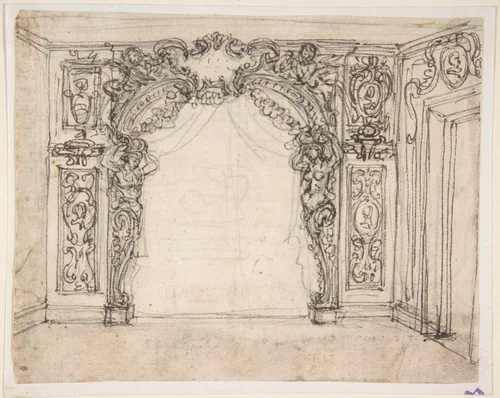
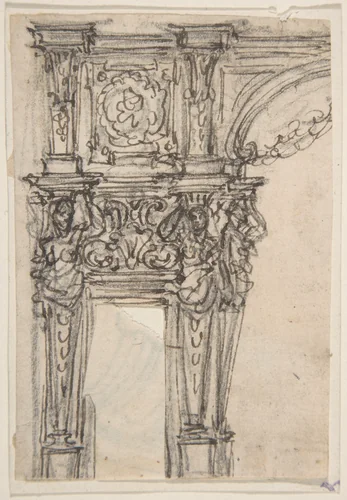
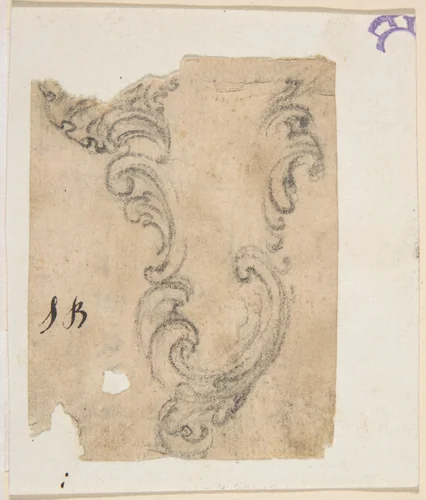
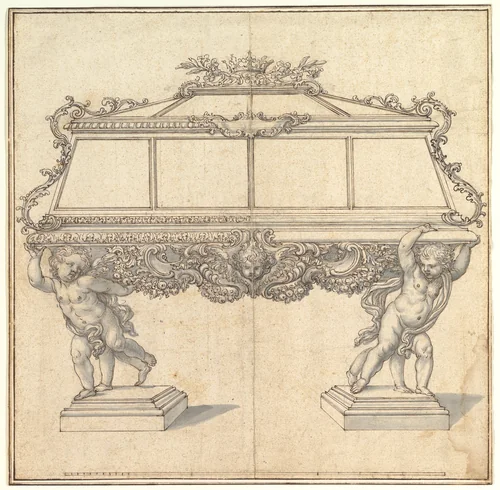
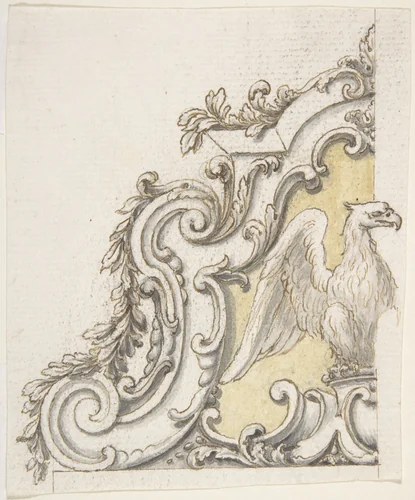
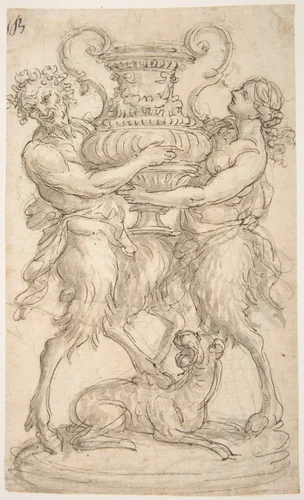
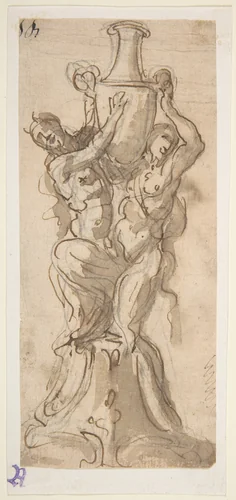
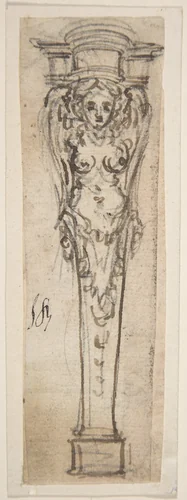
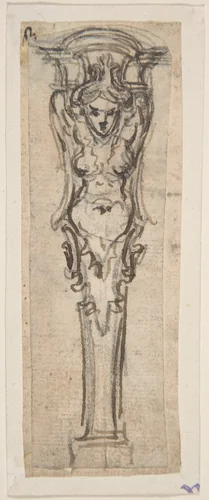
Foggini’s influence was not confined to figurative bronzes. Records indicate a substantial corpus of fifteen surviving drawings, suggesting he maintained an active and crucial practice as a draftsman, serving as a versatile designer for architectural and decorative endeavors. These precise works confirm his broad involvement in liturgical arts and funerary planning, revealing an expertise extending far beyond the purely sculptural. Titles such as A Monstrance with Two Angels Supporting a Chalice and the detailed functional sketch Design for Suspended Censer showcase his technical versatility. Furthermore, complex preparatory studies, including A Sheet of Studies with Architectural Motifs and Two Sketches for a Visitation, illustrate his capacity to simultaneously balance architectural innovation with religious narrative composition.
These surviving graphic works confirm the museum-quality status of his oeuvre, secured in international collections like the Metropolitan Museum of Art and the National Gallery of Art. While Foggini’s contemporaries often pursued the grand gesture of the Baroque, he perfected the intimate and the meticulous. His small-scale mythological figures, such as Apollo and Coronis, exhibit a dynamic grace and narrative clarity prized by sophisticated collectors. Indeed, one might observe that Foggini preferred the controlled elegance of the cabinet piece over the inherent chaos of the piazza. This dedication to precision, evident even in his sketches for functional items, solidified his position as a crucial designer of taste in the city. Today, scholars and enthusiasts benefit greatly from the accessibility of Foggini’s surviving graphic works. Numerous examples of Giovanni Battista Foggini prints, now held in the public domain, are available as high-quality prints, ensuring that his vital contribution to the Florentine Baroque continues to be studied and appreciated.
Source: Wikipedia · CC BY-SA 4.0
![Design for a Fountain with Two Water-Spouting Lions (recto); Sketch for Triumph of Galatea [?] (verso) by Giovanni Battista Foggini, drawing, 1652-1725](https://img.artbee.org/6f908944-8677-4464-8006-68448157a92b/small.webp)