Giovanni Battista Falda
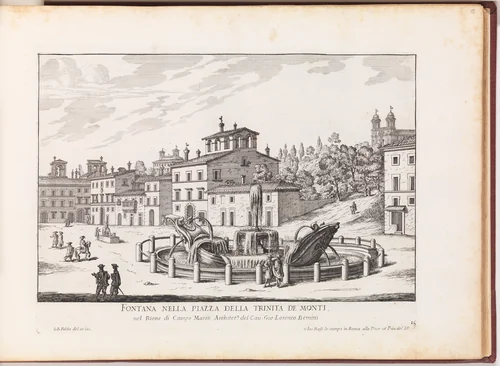
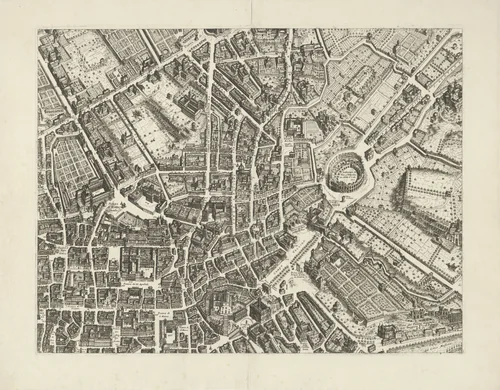
Giovanni Battista Falda was an influential Italian engraver and architect active in Rome between 1660 and 1691. He distinguished himself as the city's premier visual chronicler through meticulous and evocative prints documenting both the ancient monuments and the rapidly evolving contemporary structures of the Eternal City. His prolific output provided an exhaustive survey of late Baroque construction, establishing him as a crucial source for architects, artists, and the emerging class of Grand Tourists.
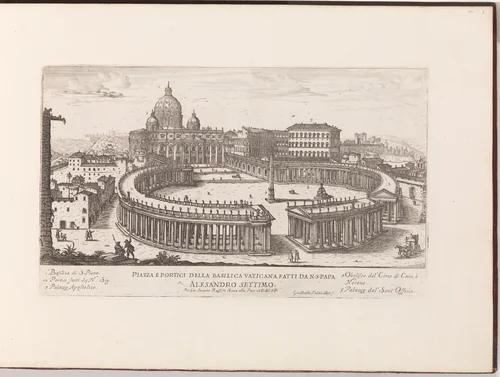
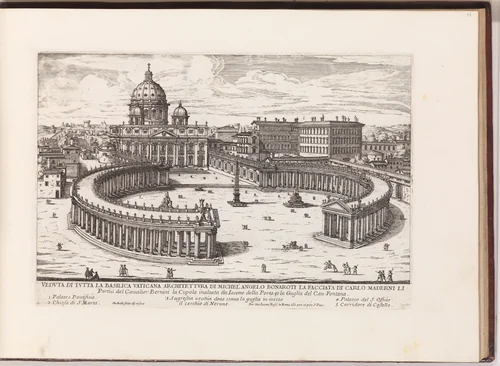
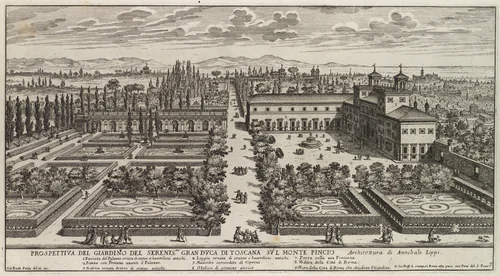
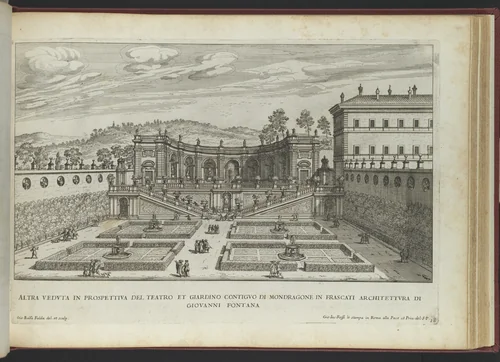
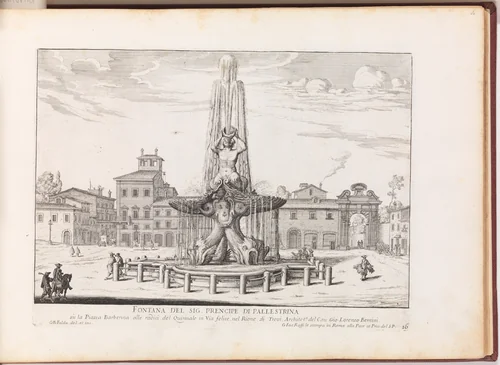
Falda’s major published contribution was the expansive illustrated corpus, Il Nuovo Teatro delle Fabbriche, et Edificii, in Prospettiva di Rome Moderna, a monumental catalog that captured the scale and ambition of Rome under the patronage of powerful families and the Papacy. His highly detailed perspective views, exemplified by works such as Piazza e Portici della Basilica Vaticana and the grand Veduta di Tutta la Basilica Vaticana, were not merely picturesque; they offered precise architectural documentation essential for understanding 17th-century urban planning.
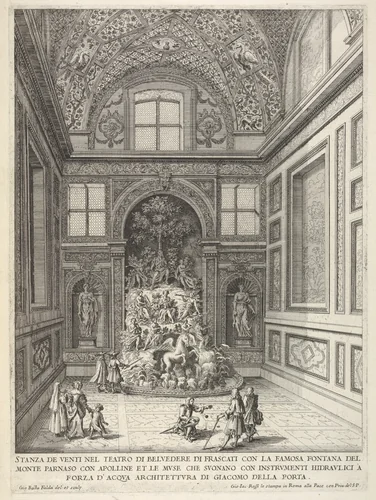
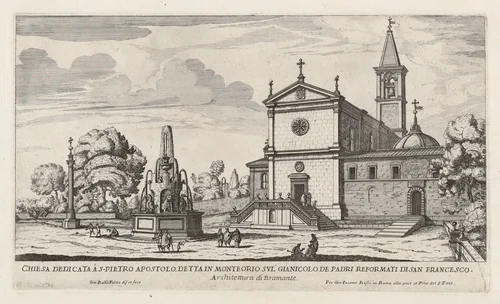
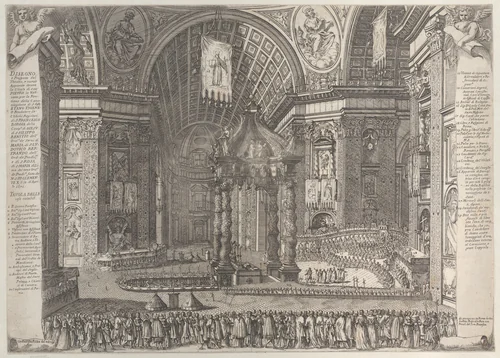
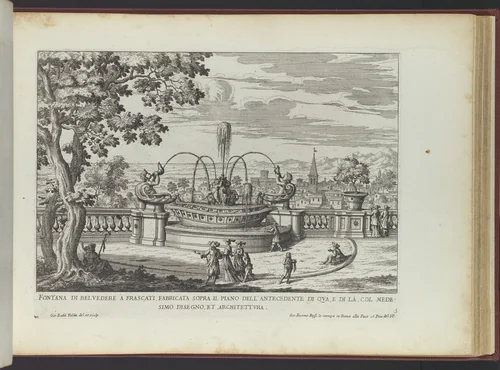
Beyond recording permanent edifices like the Chiesa dedicata à S. Pietro Apostolo (San Pietro in Montorio), Falda offered a unique service by capturing the spectacular, temporary installations vital to the era’s political and religious life. His rendering of the Theater in Saint Peter's Basilica for the Canonization of Gaetano Thiene and Francis Borgia on April 12, 1671, provides an unparalleled glimpse into the theatricality of Baroque celebration, a genre of specialized documentation often overlooked by his peers. It is through records like the Stanza di Venti nel Teatro di Belvedere di Frascati that we can truly appreciate the complexity of the ceremonial architecture of the age.
The enduring clarity and high-quality prints produced by Falda cemented his legacy as the master of architectural perspective. His works are held in major institutions globally, including the Rijksmuseum, the Metropolitan Museum of Art, and the National Gallery of Art. Due to their historical significance, many of these museum-quality depictions are now in the public domain, ensuring that Giovanni Battista Falda prints continue to serve as the definitive visual record of the Baroque capital.
Source: Wikipedia · CC BY-SA 4.0
![Altra Veduta della Fontana in Piazza Navona [Fontana dei Quattro Fiumi], from "La Fontane di Roma nelle Piazze e Luoghi Publici (...)" by Giovanni Battista Falda, print, 1691](https://img.artbee.org/72e662a9-7231-4459-9569-dc64e7afc517/small.webp)
![Fontana in Piazza Navona [Fontana dei Quattro Fiumi], from "La Fontane di Roma nelle Piazze e Luoghi Publici (...)" by Giovanni Battista Falda, print, 1691](https://img.artbee.org/611897c7-cbdb-4c39-a568-d64a75c33cac/small.webp)
![Fontana in Piazza Navona [Fontana del Moro], from "La Fontane di Roma nelle Piazze e Luoghi Publici (...)" by Giovanni Battista Falda, print, 1691](https://img.artbee.org/84a265df-dd01-4c2a-b0ff-fcb500840f47/small.webp)