Giovanni Battista Ciotti
Giovanni Battista Ciotti, also known as Ciotto, was a pivotal Italian publisher and typographer whose primary contribution was the sophisticated dissemination of design and pattern through the medium of print. Active primarily from 1591, Ciotti operated within Venice, the unparalleled center of European book production during the late sixteenth century. His significance in the history of art lies not in creating original compositions, but in efficiently reproducing and distributing technical visual knowledge to a broad, professional clientele.
While there are no known Giovanni Battista Ciotti paintings, his legacy is preserved in the detailed volumes he produced, totaling at least fifteen known books. These publications acted as essential manuals, standardizing and archiving motifs crucial for the applied arts. Ciotti’s output was instrumental in bridging the gap between design innovation and commercial craft, providing artisans across Europe with reusable patterns.
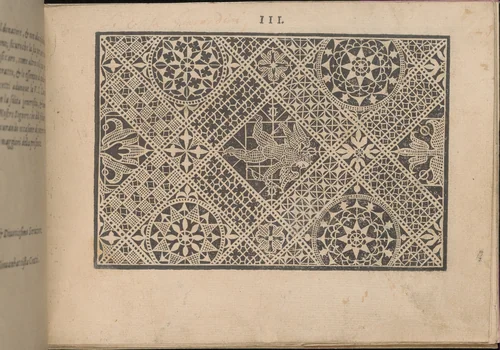
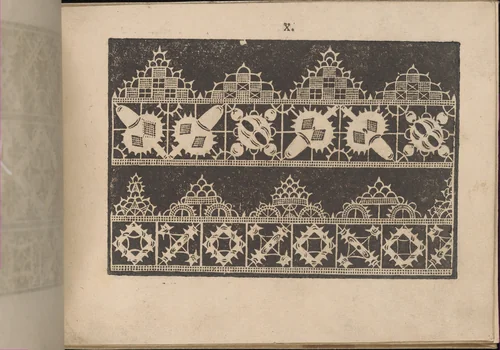
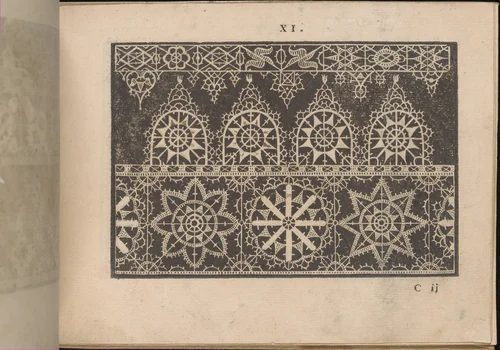
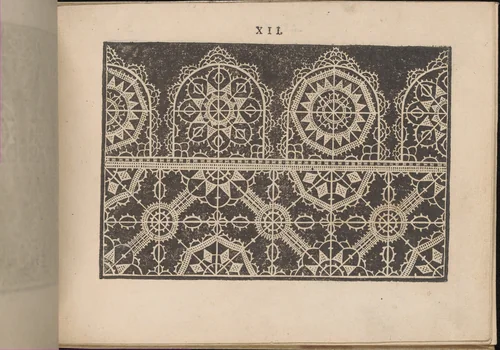
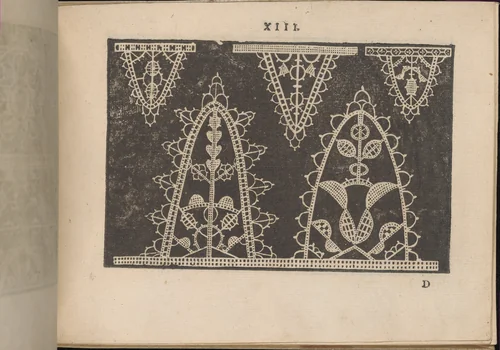
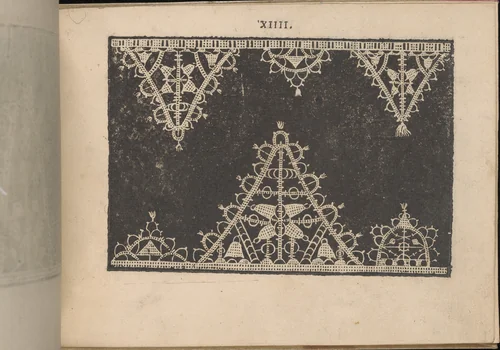
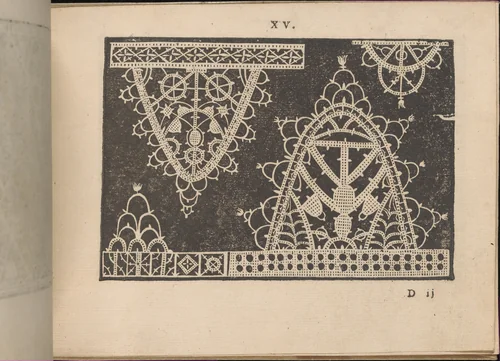
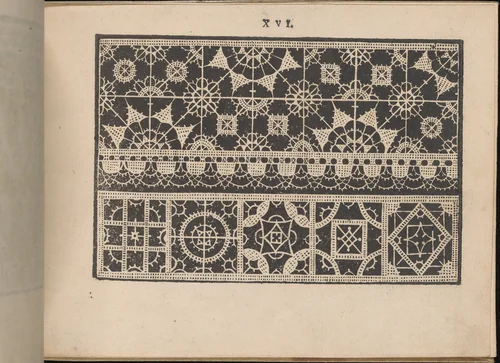
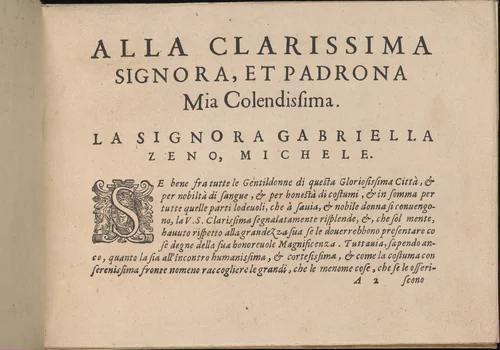
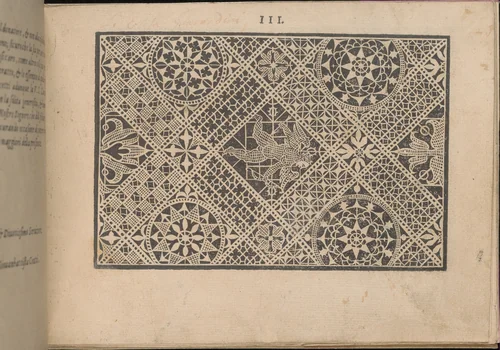
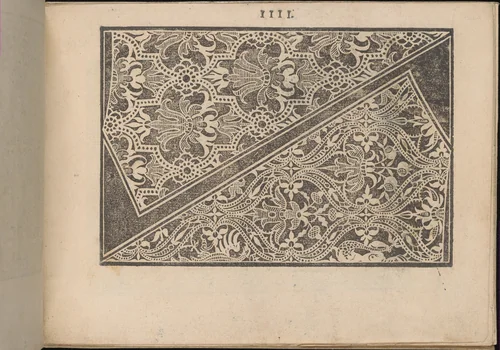
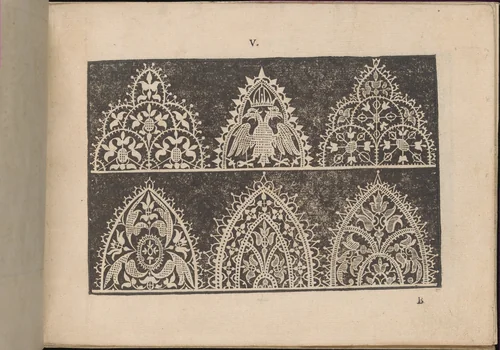
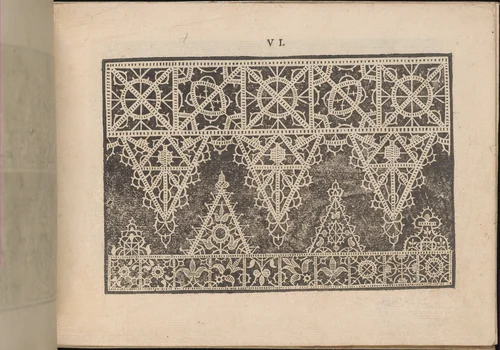
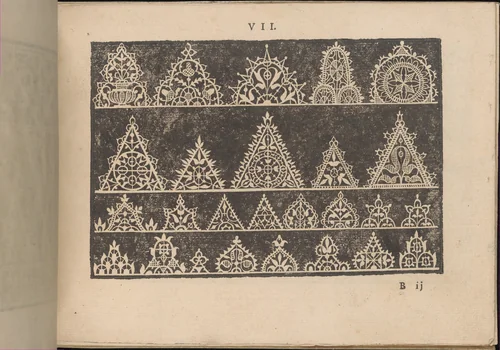
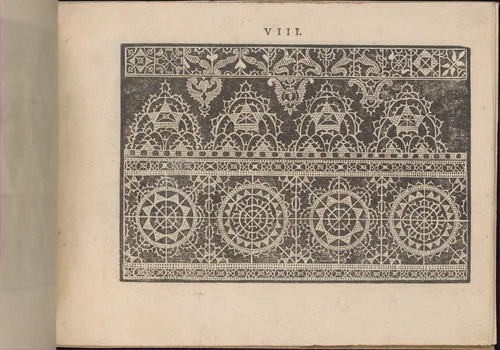
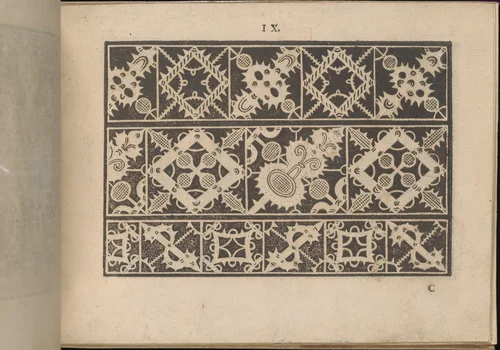
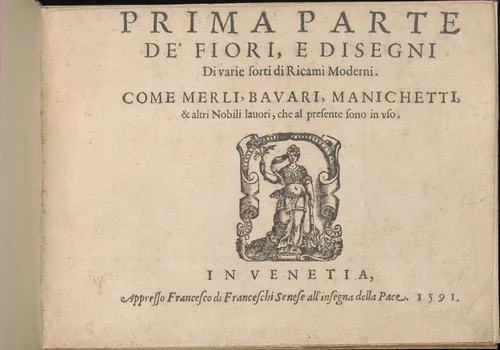
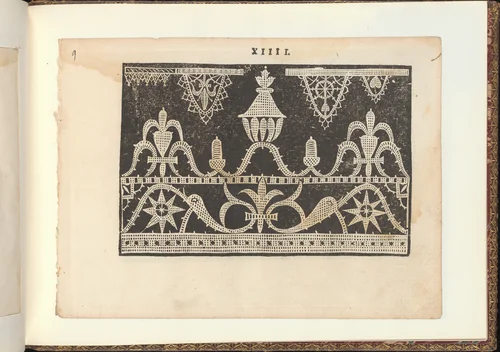
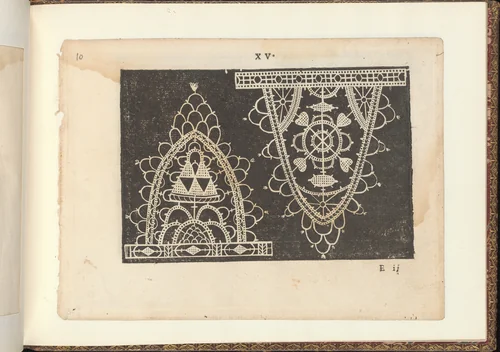
Among his most influential works is the meticulously detailed manual, Prima Parte de' Fiori, e Disegni di varie sorti di Ricami Moderni (First Part of Flowers and Designs of Various Kinds of Modern Embroidery). This pattern book provided specialized, high-quality prints necessary for contemporary textile workers, ensuring stylistic coherence across complex needlework, lace, and embroidery practices. It is perhaps a subtle testament to the enduring appeal of practical design that these pattern books—works intended for daily commercial use—are today collected by major institutions, including the Metropolitan Museum of Art, and recognized as vital sources for material culture studies.
Ciotti essentially functioned as the era's curator of design utility, preserving complex, practical visual formulas that otherwise would have been lost to the ephemeral nature of fabric. For researchers and enthusiasts tracing the history of Renaissance decoration, the clarity and precision of his published plates remain invaluable. Much of his output, often available as downloadable artwork, has entered the public domain, ensuring that these historical blueprints for high-quality craftsmanship are easily accessible for study, adaptation, or reproduction as royalty-free resources. Ciotti’s success lay in his recognition that in the burgeoning commercial environment of the Renaissance, the design recipe was as valuable as the finished product.
Source: Wikipedia · CC BY-SA 4.0