Giovanni Battista Bracelli
Giovanni Battista Bracelli is recognized in the history of art through a singular, highly original achievement in seventeenth-century Italian printmaking, despite the profound ambiguity surrounding his exact identity. Active around 1624, the artist is generally distinguished from his clerical contemporary of the same name, and is instead linked to a small corpus of intellectually complex etchings. His importance rests almost entirely on this focused production, primarily concentrated in a volume that establishes him as an eccentric innovator.
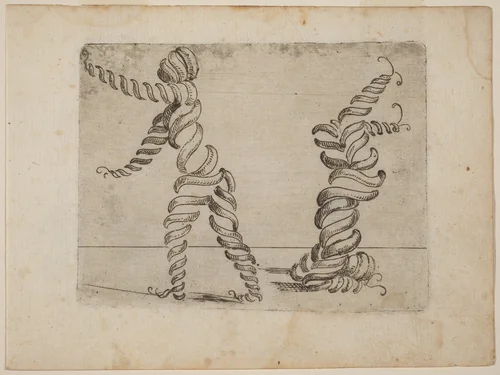
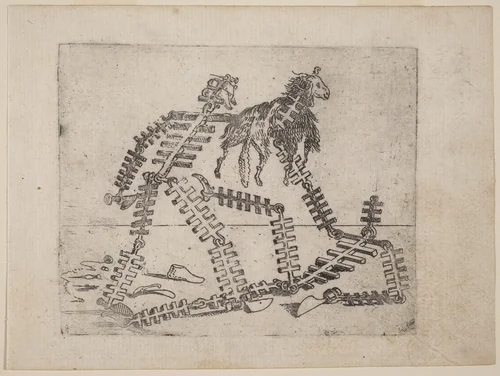
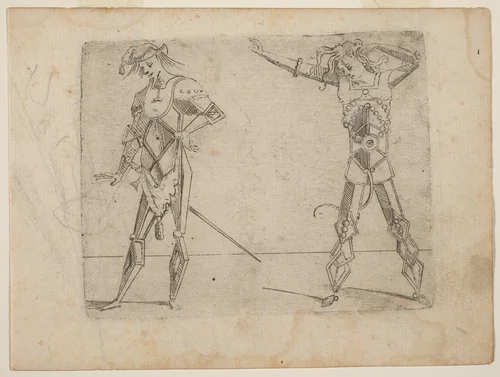
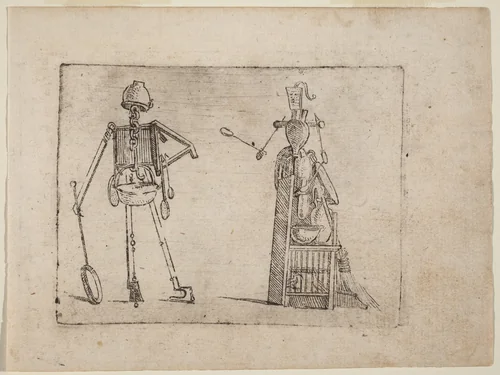
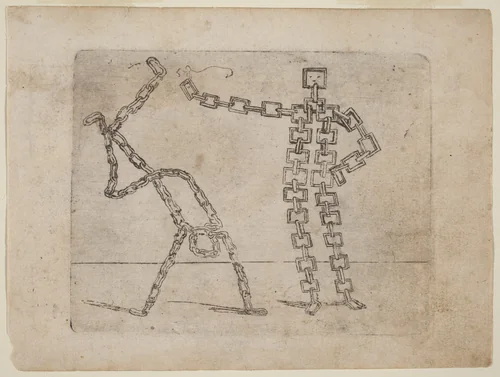
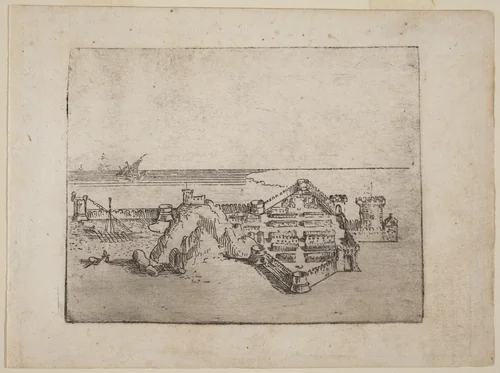
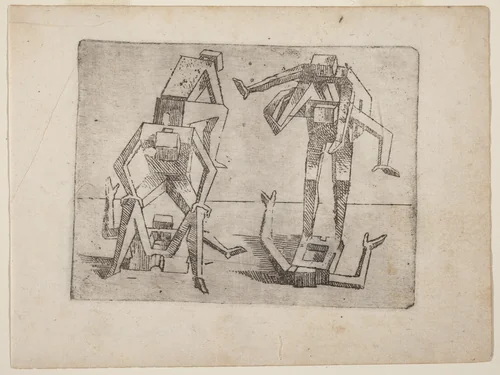
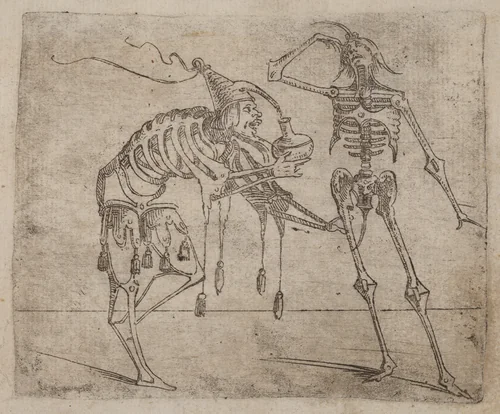
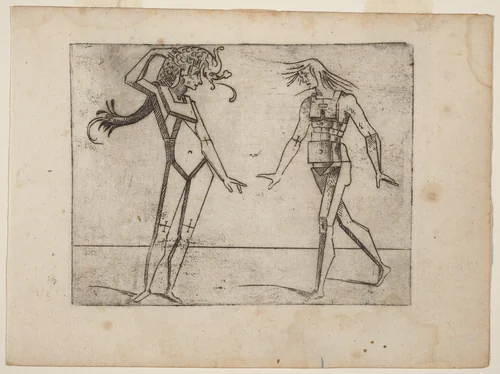
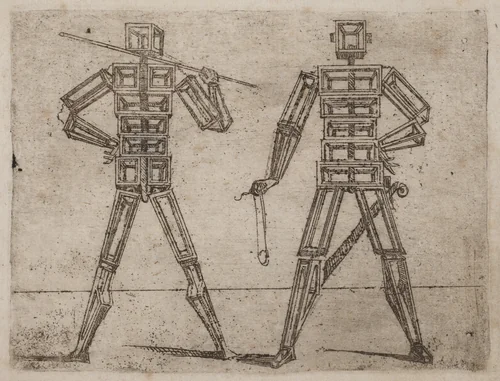
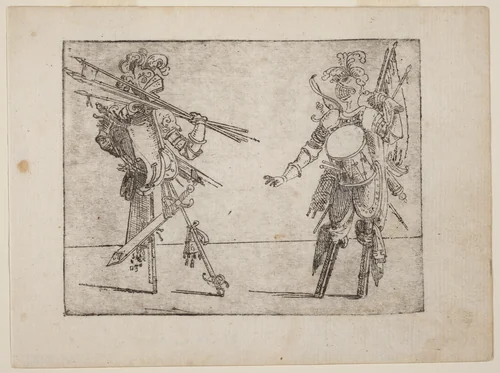
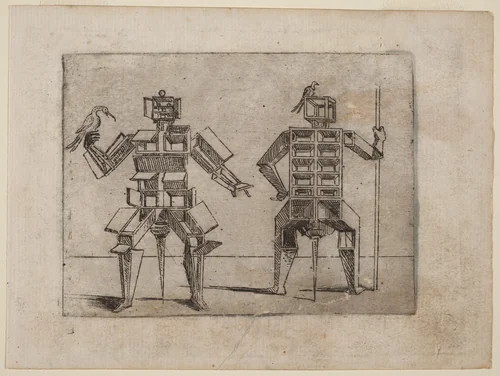
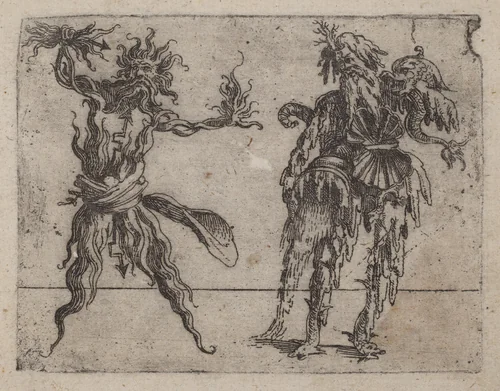
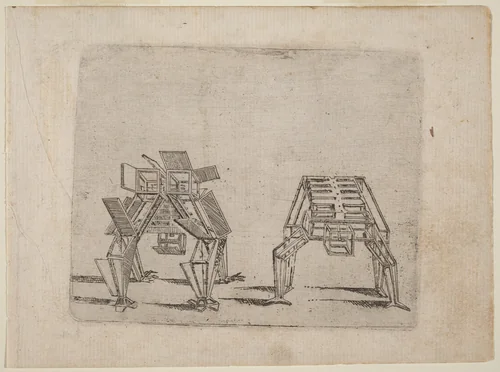
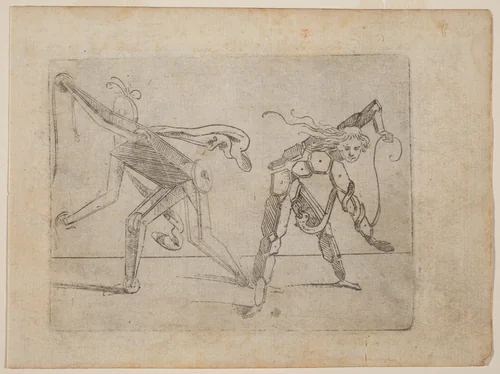
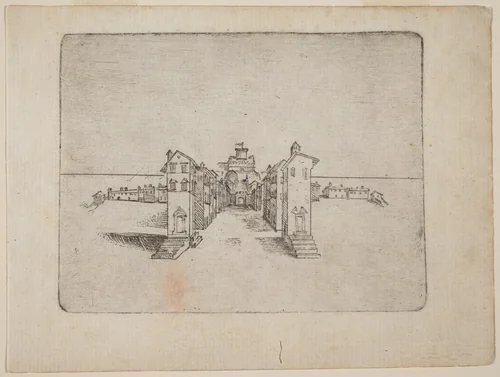
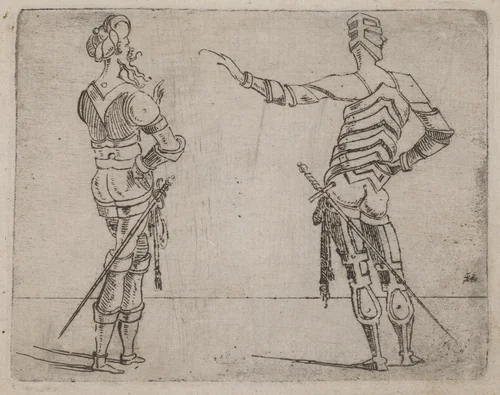
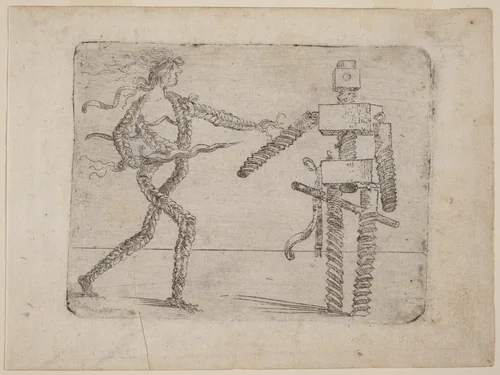
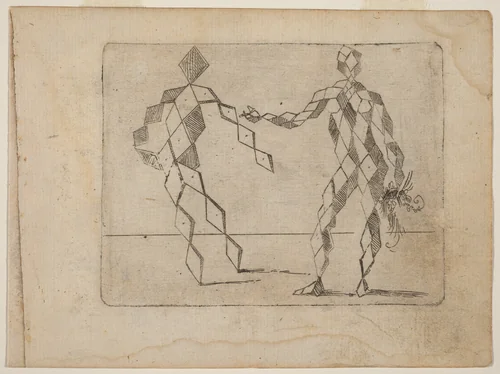
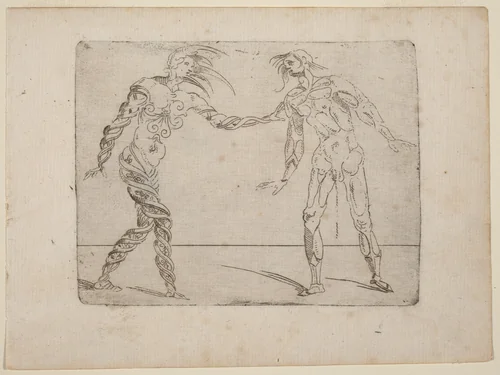
Bracelli’s definitive contribution to the graphic arts is the series Bizzarie di varie Figure (Whimsicalities of Various Figures), a collection of 15 known prints. The title itself suggests the unusual nature of the content. These works challenge the conventions of Renaissance figure drawing by rendering the human form not as a unified organism, but as an elaborate assemblage of geometric solids, architectural fragments, and everyday implements. A figure might be constructed entirely of spheres and cones, or composed of shovels and axes in precise, structural balance.
The date of 1624 places Bracelli firmly within the Italian Baroque, yet his compositions possess a Mannerist intellectualism and a dry, conceptual humor that distances them significantly from the dominant naturalism favored during that period. His dedication to Don Pietro Medici, which begins the series, underscores the sophisticated patronage required for such demanding, esoteric imagery. The works are conceptual precursors to later explorations of the subconscious and the absurd—a surprisingly playful, early foray into geometric abstraction and proto-surrealism.
While specific biographical details regarding the painter or painters remain elusive, the surviving works ensure Bracelli's inclusion in major international institutional holdings. The complete known set of Giovanni Battista Bracelli prints is preserved in collections such as the National Gallery of Art, providing comprehensive access to this short, specialized career. Because of their historical significance and age, these unusual compositions are often found in the public domain, allowing scholars and enthusiasts globally to downloadable artwork and study these high-quality prints. Bracelli’s rigorous formal experimentation and conceptual independence confirm him as a singular, if shadowy, figure operating well outside the mainstream stylistic currents of his time.
Source: Wikipedia · CC BY-SA 4.0