Giovanni Antonio Tagliente
Giovanni Antonio Tagliente was a defining polymath of the early sixteenth-century Venetian printing world, a critical figure who spanned the roles of calligrapher, author, printer, and publisher. Active around 1530 during the Renaissance, his career established him not merely as a craftsman but as a crucial mediator of visual and practical culture during the golden age of publishing in the Serenissima. Tagliente managed the rare feat of integrating technical proficiency with keen aesthetic judgment, ensuring that his publications satisfied both commercial demand and scholarly rigor.
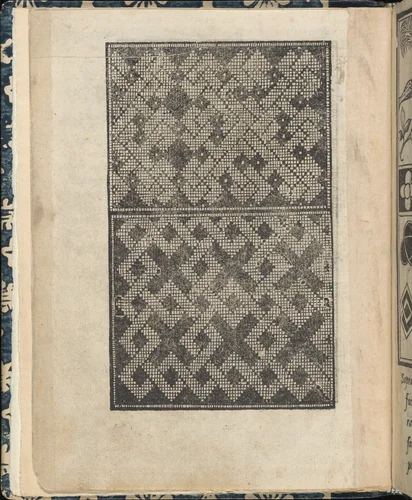
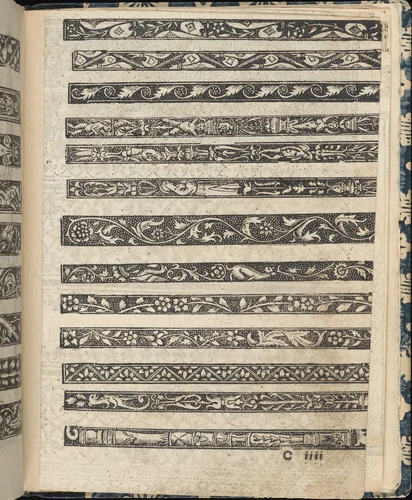
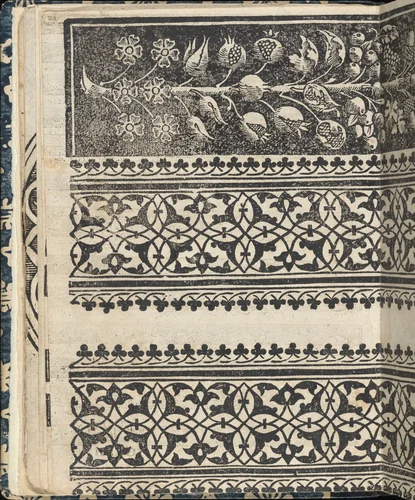
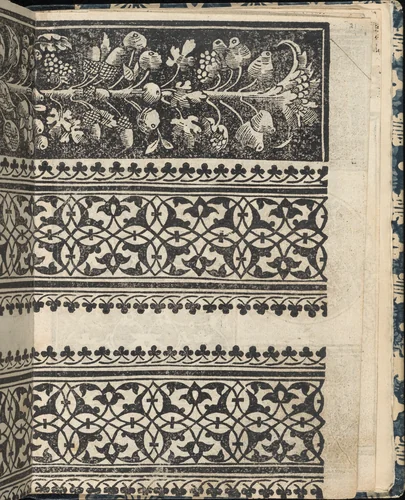
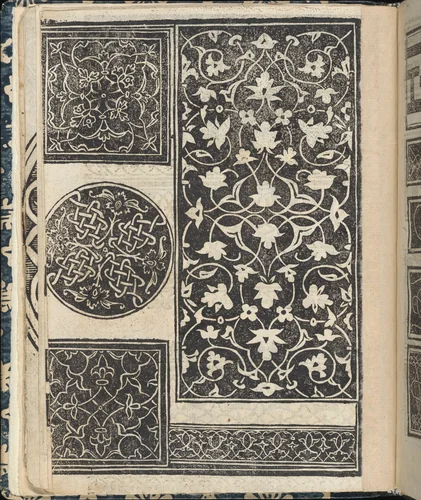
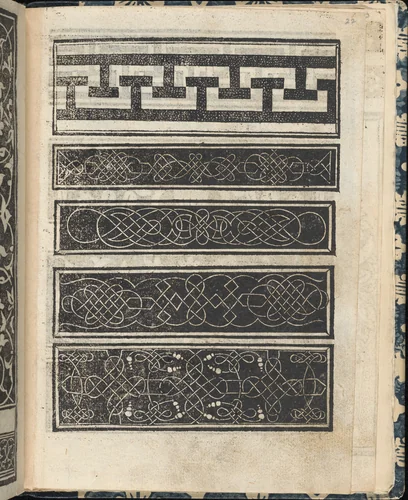
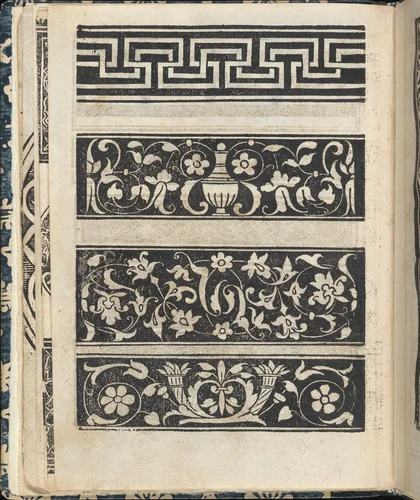
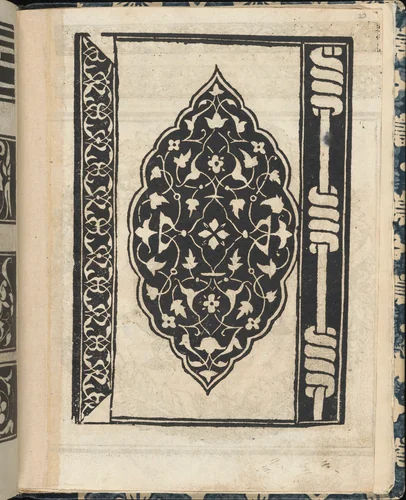
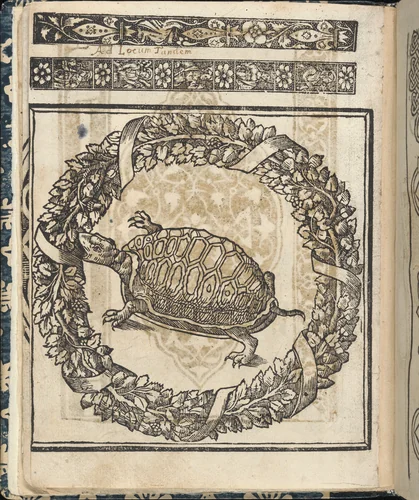
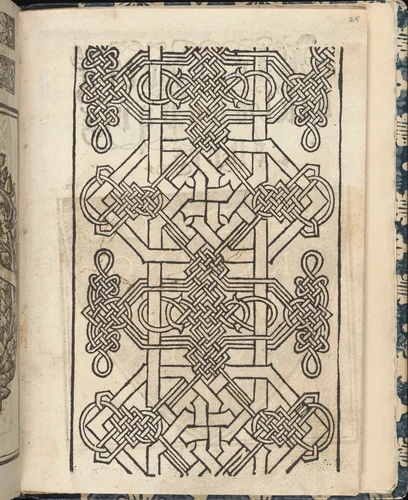
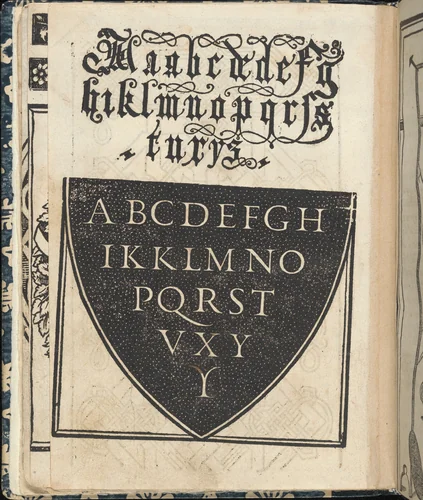
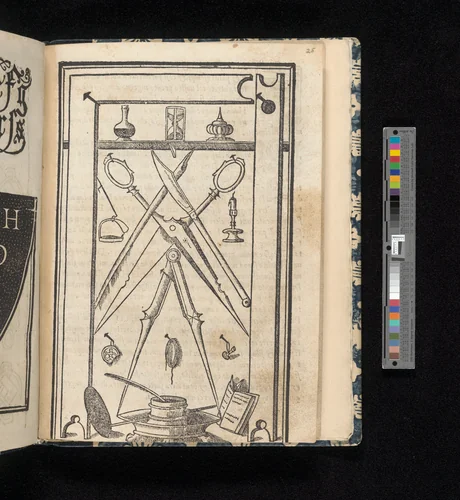
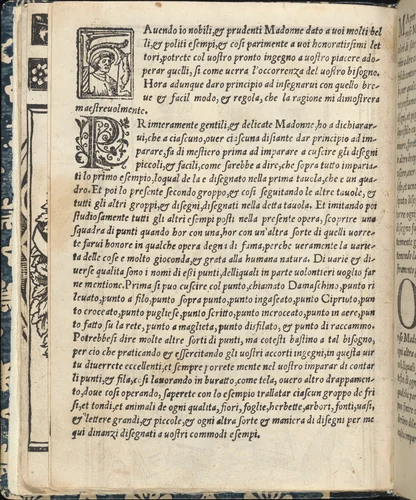
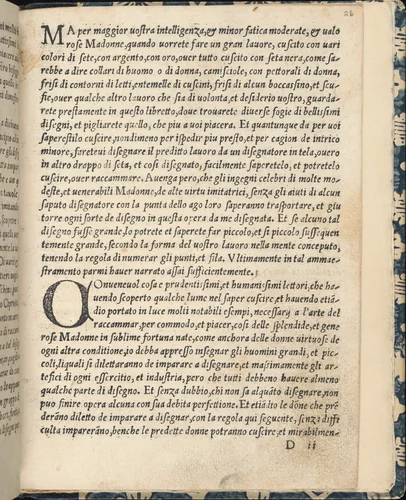
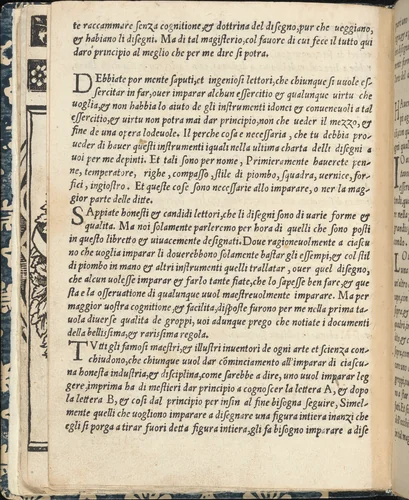
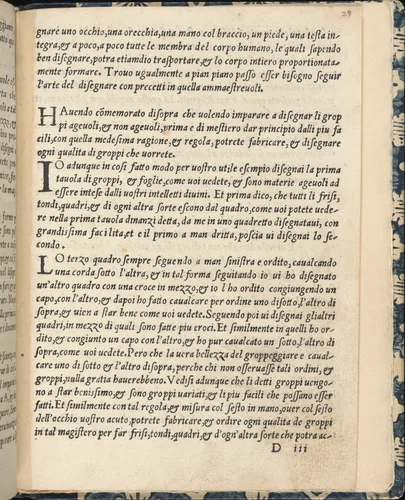
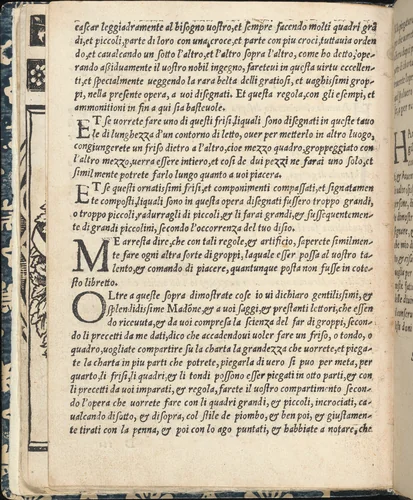
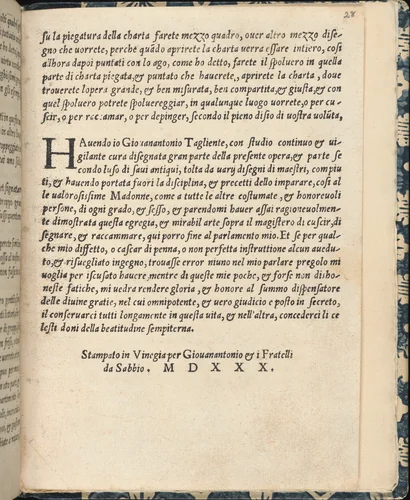
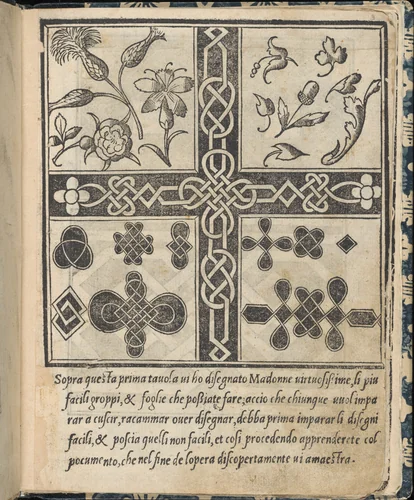
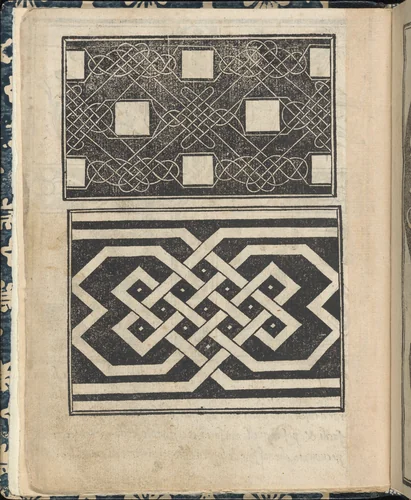
Tagliente’s significant artistic contribution rests primarily on his visual instructional manuals, a series of approximately fifteen books that codified standards for practical and decorative arts. His seminal work, Essempio di recammi, dedicated to patterns for needlework and embroidery, is a powerful example of this focus. By translating complex, reproducible patterns onto the printed page, he effectively elevated domestic craftsmanship, democratizing access to fashionable design elements previously restricted to exclusive circles. The precision required to execute these intricate designs transformed the concept of “applied art,” ensuring that Tagliente’s influence stretched beyond elite literary circles and into the very fabric of early modern European households. One might observe that, in an era dominated by weighty theological tracts, Tagliente was perhaps the Renaissance’s most effective early popularizer of accessible style guides.
The technical and aesthetic quality of his surviving volumes confirms his historical importance; his original works are preserved in major institutional holdings, including the collection of the Metropolitan Museum of Art. Unlike many contemporaries focused solely on classical or religious texts, Tagliente recognized the immediate commercial and cultural value of reproducible design. This commitment to practical aesthetics ensures that many examples of Giovanni Antonio Tagliente prints from his pattern books remain vital resources for historical textile studies. Today, much of his catalogue is accessible globally, with the original pages frequently featured as high-quality prints and available as easily downloadable artwork through digitized public domain archives.
Source: Wikipedia · CC BY-SA 4.0