Giovan Gioseffo Dal Sole
Giovan Gioseffo Dal Sole (1654-1700) holds a distinguished position within the Italian late-Baroque era, primarily centered in Bologna, an academic powerhouse of European art production. Active for the latter half of the seventeenth century, Dal Sole served as a vital link between the classical refinement of the preceding generation and the elegant, lighter touch that would define the settecento.
His ascent to preeminence was cemented following the death of his contemporary and rival, Carlo Cignani, whereupon Dal Sole assumed the mantle as the undisputed master of the Bolognese school. The critical reception he earned during his lifetime was captured in the definitive appellation given to him: Guido Moderno. This description was more than mere flattery; it positioned him as the rightful inheritor and modern interpreter of Guido Reni’s signature style, characterized by technical perfection, serene emotionality, and sophisticated handling of light and shadow.
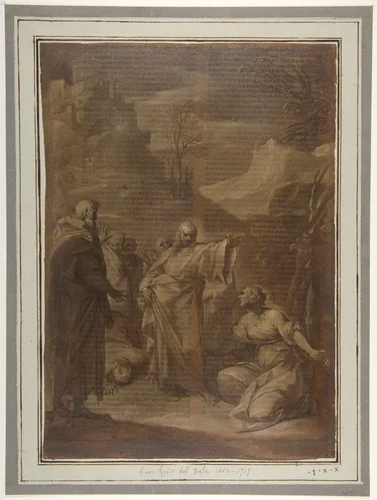
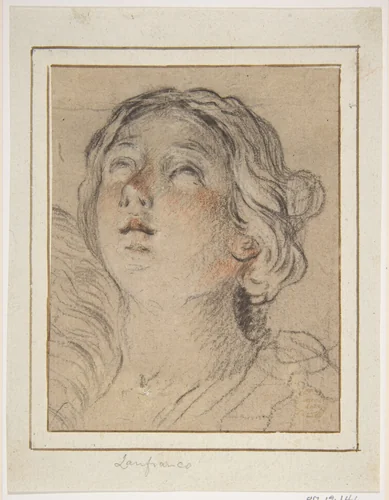
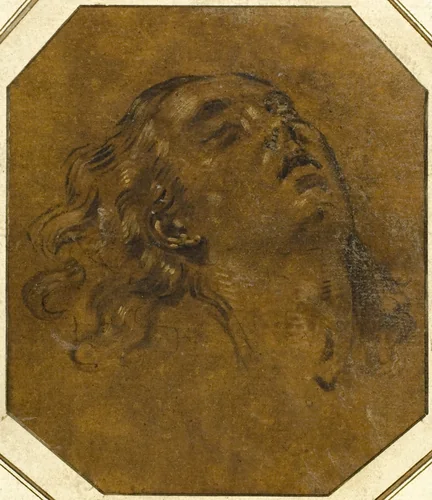
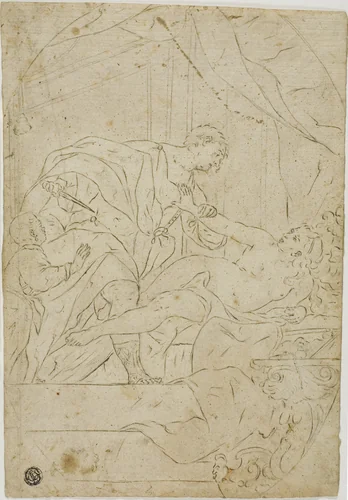
While Dal Sole executed numerous monumental commissions, his enduring legacy is often best traced through the meticulous study of his surviving graphic output. Works such as Christ and the Canaanite Woman and the dramatically composed Rape of Lucretia illustrate a powerful command of human anatomy and narrative tension. These preparatory studies, along with highly finished portrait heads like Female Head Upturned, reveal the intensive processes underpinning his Giovan Gioseffo Dal Sole paintings. Today, many of these crucial drawings are preserved in international holdings, including the Metropolitan Museum of Art and the Art Institute of Chicago.
Due to the chronological distance of his active period, much of his extensive oeuvre has entered the public domain. This accessibility permits modern audiences to examine his draughtsmanship through high-quality prints and downloadable artwork, ensuring that the legacy of this modern Guido Reni continues to inform contemporary appreciation of late-Baroque mastery. His works remain an essential component in understanding the transitional period of Italian visual culture.
Source: Wikipedia · CC BY-SA 4.0