Giorgio Vasari
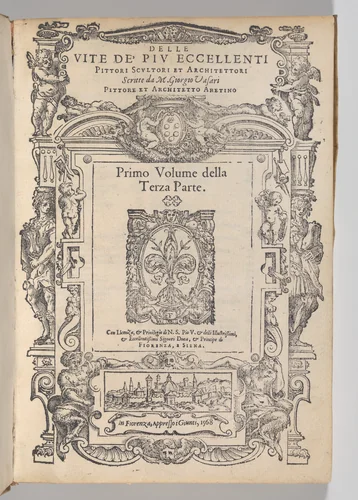
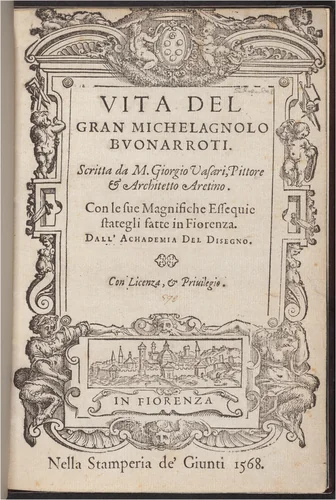
Giorgio Vasari (1480-1554) occupies a singular and indispensable position in the history of art, functioning simultaneously as an accomplished Italian Renaissance painter and architect, and as the founder of modern art-historical scholarship. His magnum opus, Lives of the Most Excellent Painters, Sculptors, and Architects, remains the primary ideological foundation of Western art writing. Compiled during a period of immense artistic flux, Vasari’s biographies were instrumental in establishing the canonical status and defining the narratives of figures like Leonardo da Vinci and Michelangelo, shaping subsequent centuries of appreciation.
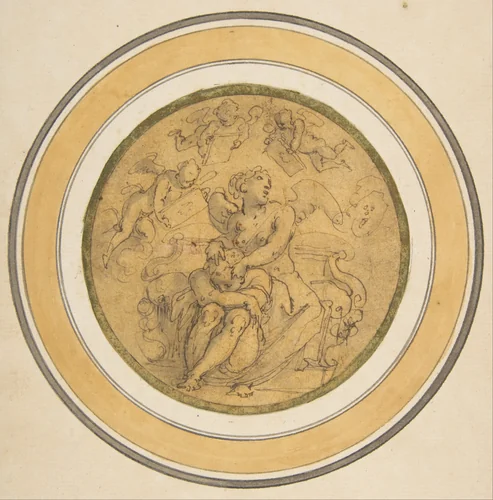
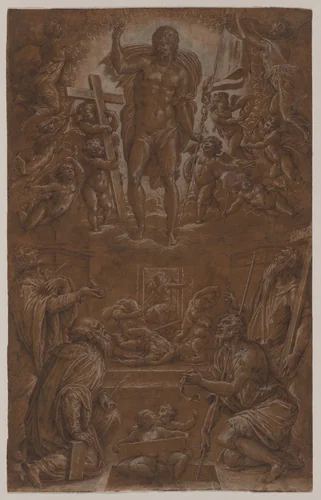
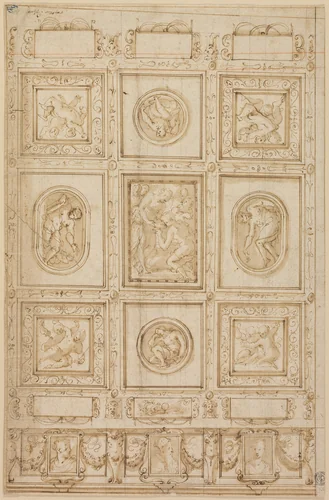
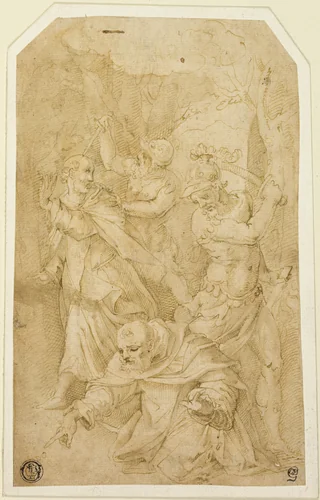
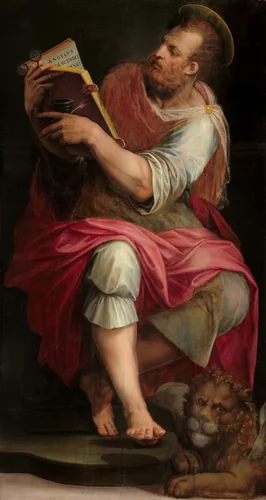
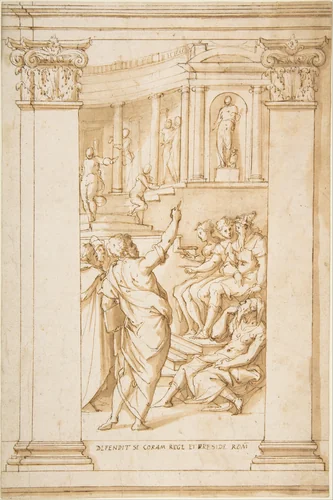
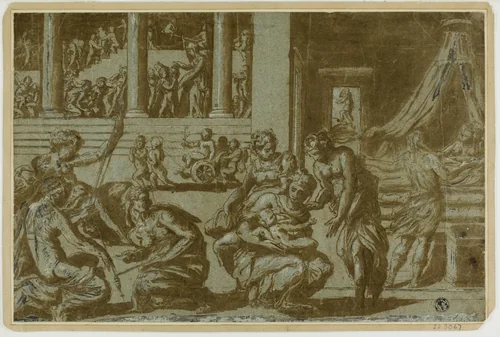
While his critical and literary contribution often overshadows his studio practice, Vasari was a skilled and prolific artist, known for his dynamic compositions reflecting high Renaissance and early Mannerist sensibilities. His surviving corpus includes numerous preparatory sketches and architectural designs, alongside works like the allegorical painting Allegory of Peace. These detailed drawings, often created for grand schemes of interior decoration, showcase his mastery of monumental scale and decorative invention, exemplified by pieces such as Design for a Fountain with River Gods and Nymphs and Design for the Ceiling Decoration in Vasari's House in Arezzo.
Major institutions such as the Art Institute of Chicago, the Rijksmuseum, and the Metropolitan Museum of Art safeguard Vasari’s artistic output. The widespread accessibility of his work, including high-quality prints and downloadable artwork, ensures that researchers continue to study his drafting techniques. The Page from the Collection of Niccolò Gaddi (So-Called "Vasari Page") offers a glimpse into the early curatorial methods used to organize and present collections of masters.
Vasari’s ambition in documenting nearly two hundred years of creative endeavor was immense, yet his narrative approach was distinctly colored by his personal allegiance to his mentors and his own geographical biases. Modern scholarship acknowledges that Lives is prone to factual errors, particularly when covering artists preceding his own lifetime; nevertheless, this selective memory often makes for spirited and highly compelling reading. It is perhaps the unavoidable paradox of the foundational art historian: that the first comprehensive history of art is also one of its most subjective and enduringly influential accounts.
Source: Wikipedia · CC BY-SA 4.0