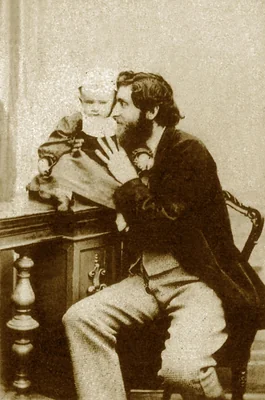
Giorgio Sommer
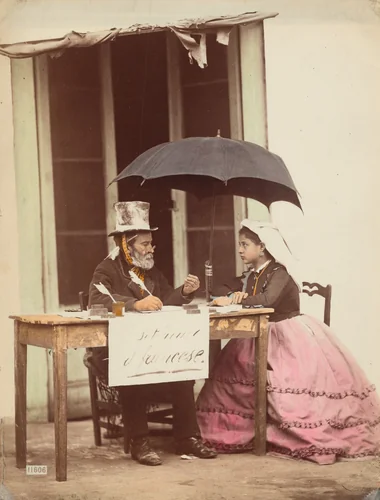
Giorgio Sommer stands among the most consequential and prolific photographers operating in 19th-century Europe. Active from 1857 until 1888, his studio became a cornerstone of visual documentation, generating thousands of images that spanned crucial aspects of the era: archeological ruins, meticulously composed landscapes, authoritative studies of art objects, and commissioned portraits. Sommer’s work was pivotal in satisfying the widespread European demand for visual records of classical antiquity, cementing his reputation less as an artist in the romantic sense, and more as an essential visual historian.
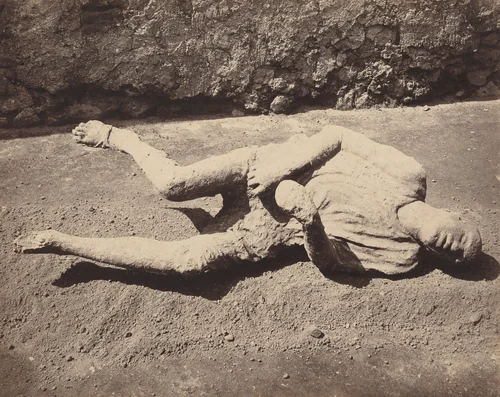
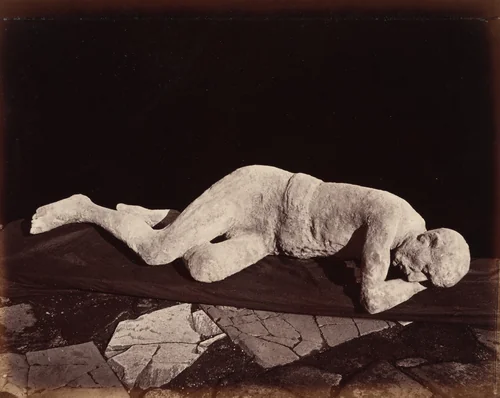
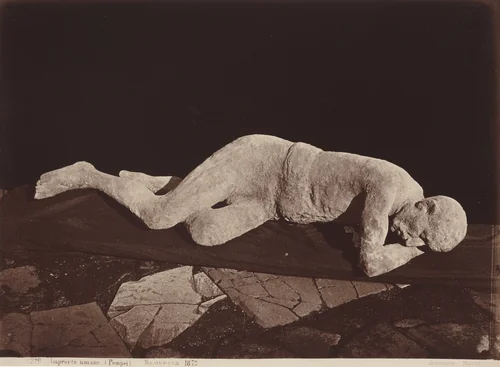
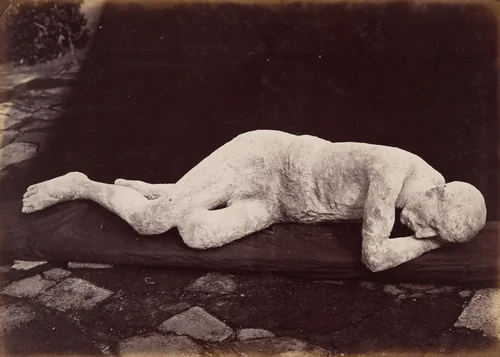
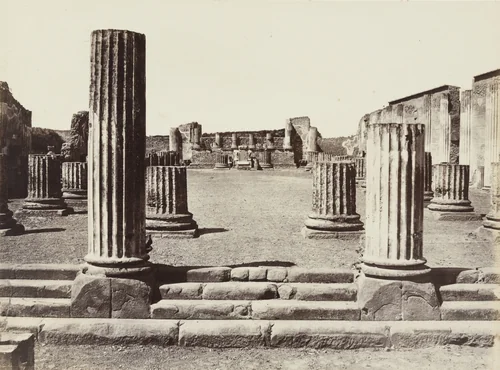
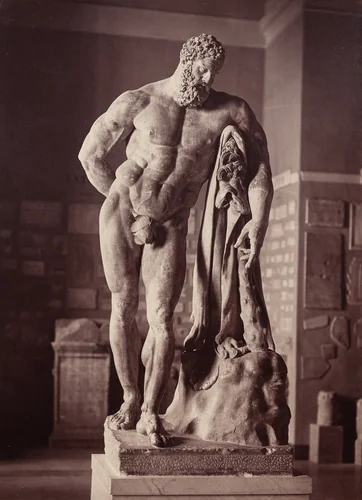
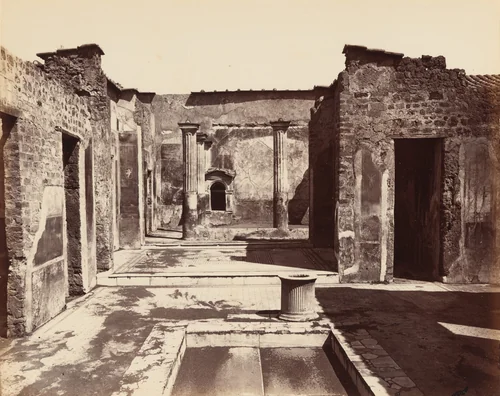
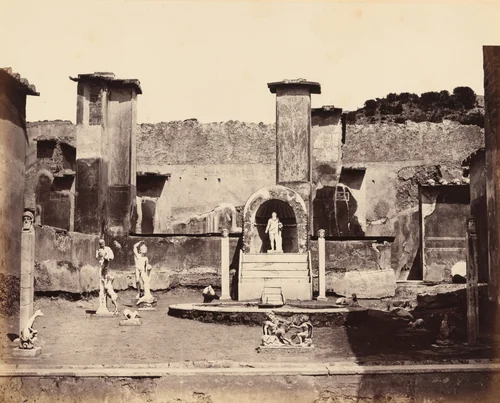
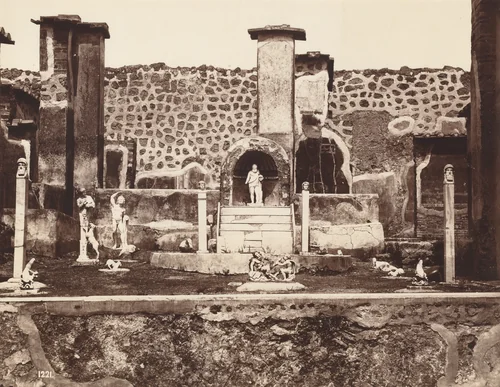
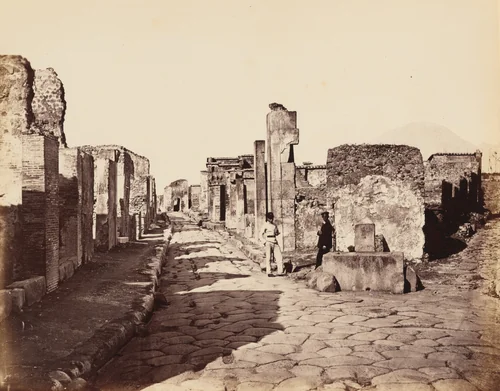
Sommer’s most enduring contribution stems from his deep immersion in the newly excavated sites around the Bay of Naples. Working extensively in Pompeii, he captured structures emerging from the volcanic ash with an exacting eye for composition and architectural detail. His systematic approach resulted in prints that function as invaluable records of the sites before subsequent decay or intensive conservation efforts altered them. Photographs such as the studies of the Basilica (Pompeii) and specific residences like the Casa del Poeta Tragico, Pompei provide a remarkable window into the state of excavation in the mid-Victorian era. Sommer also excelled at rendering monumental sculpture, evidenced by his powerful, atmospheric capture of the Farnese Hercules housed in the Museum of Naples. He understood that a ruin required the discipline of the architectural drawing, but the dramatic tonal range achievable only through photography; his prints rarely fail to convey the scale of ancient achievement.
The sheer quantity and technical quality of Sommer’s output ensured his longevity in the photographic canon. His comprehensive catalogues offered viewers, scholars, and travelers unparalleled visual access to Italy’s cultural patrimony. The original prints, often created using the large-format albumen process, retain their clarity and detail, cementing their status as museum-quality documents. The historical importance of his archive is reflected in its inclusion in major institutions worldwide, including the Museum of Modern Art, the Metropolitan Museum of Art, and the National Gallery of Art. Because much of this groundbreaking photographic documentation now resides in the public domain, a new generation benefits from the accessibility of the original high-quality prints, often available as downloadable artwork for study and appreciation.
Source: Wikipedia · CC BY-SA 4.0
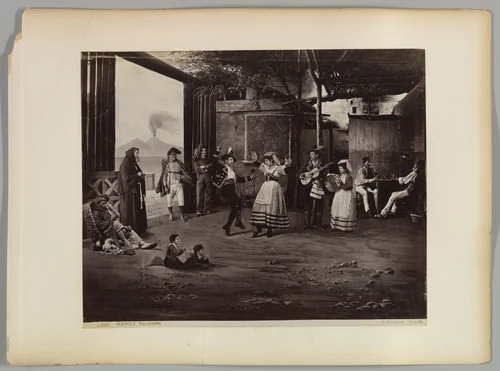
![[Neapolitan Folk Scene] by Giorgio Sommer, photograph, 1867-1873](https://img.artbee.org/53687d7f-ca55-477a-9931-7d092796b02f/small.webp)
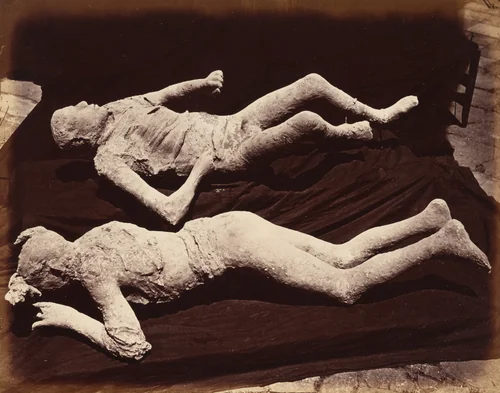
![[Plaster Casts of Bodies, Pompeii] by Giorgio Sommer, photograph, 1870-1880](https://img.artbee.org/d0ffb451-6974-419e-a5cc-49f09e58b9a8/small.webp)